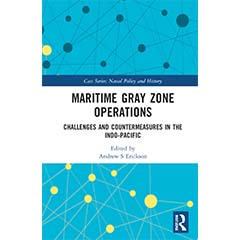
Full-Text Now Available Free! “Maritime Gray Zone Operations: Challenges & Countermeasures in the Indo-Pacific”—Download Open Access Version Here!
Check out the new Open Access edition of our book!
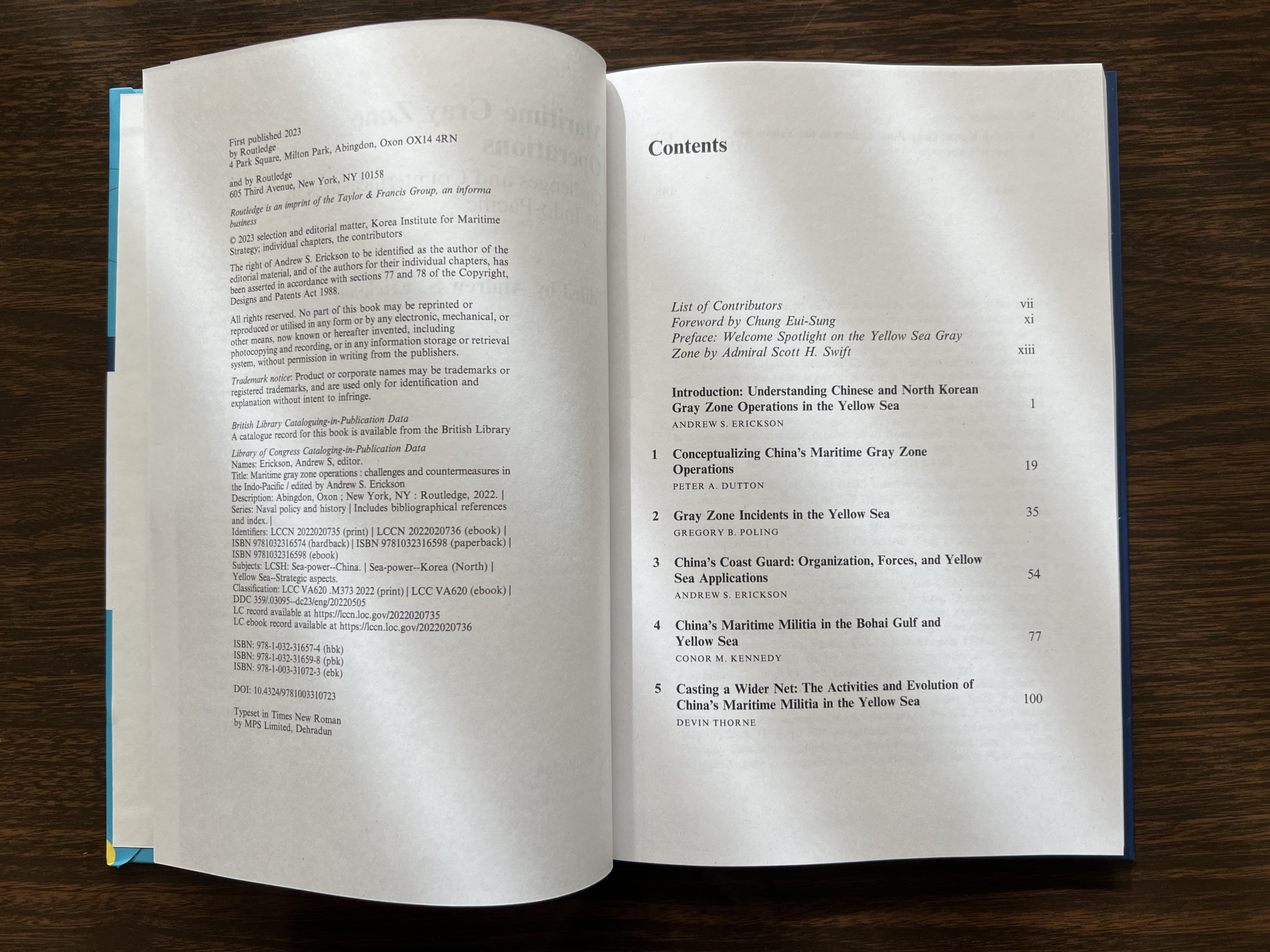
Published in Naval War College Professor Geoffrey Till’s Routledge Cass Series on Naval Policy & History and sponsored by the Korea Institute for Maritime Strategy (KIMS), this volume offers:
1) An authoritative Preface by former Commander, U.S. Pacific Fleet Admiral Scott Swift (USN, Ret.).
2) Cutting-edge chapters by Peter Dutton, Gregory Poling, Conor Kennedy, Devin Thorne, and Terence Roehrig.
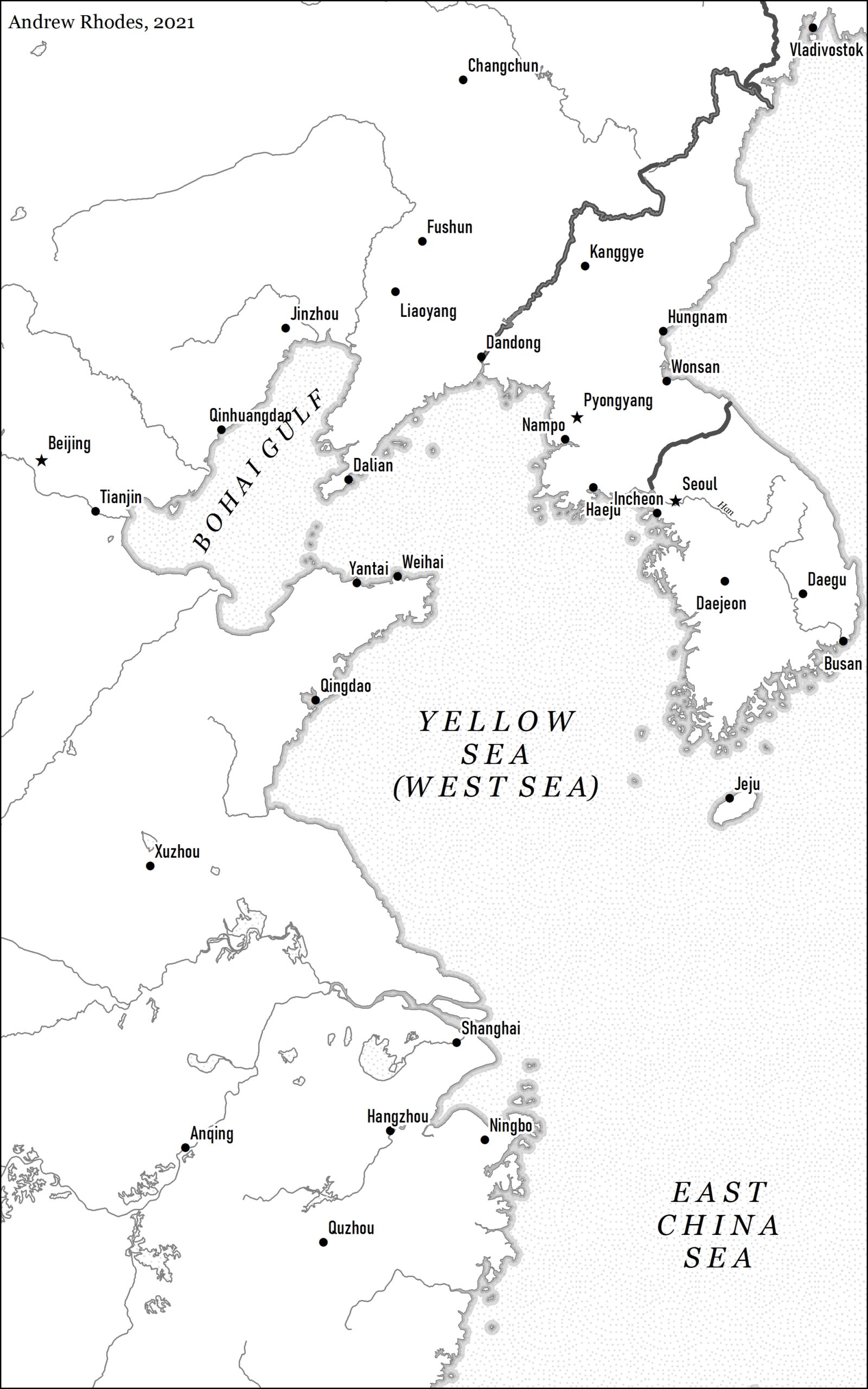
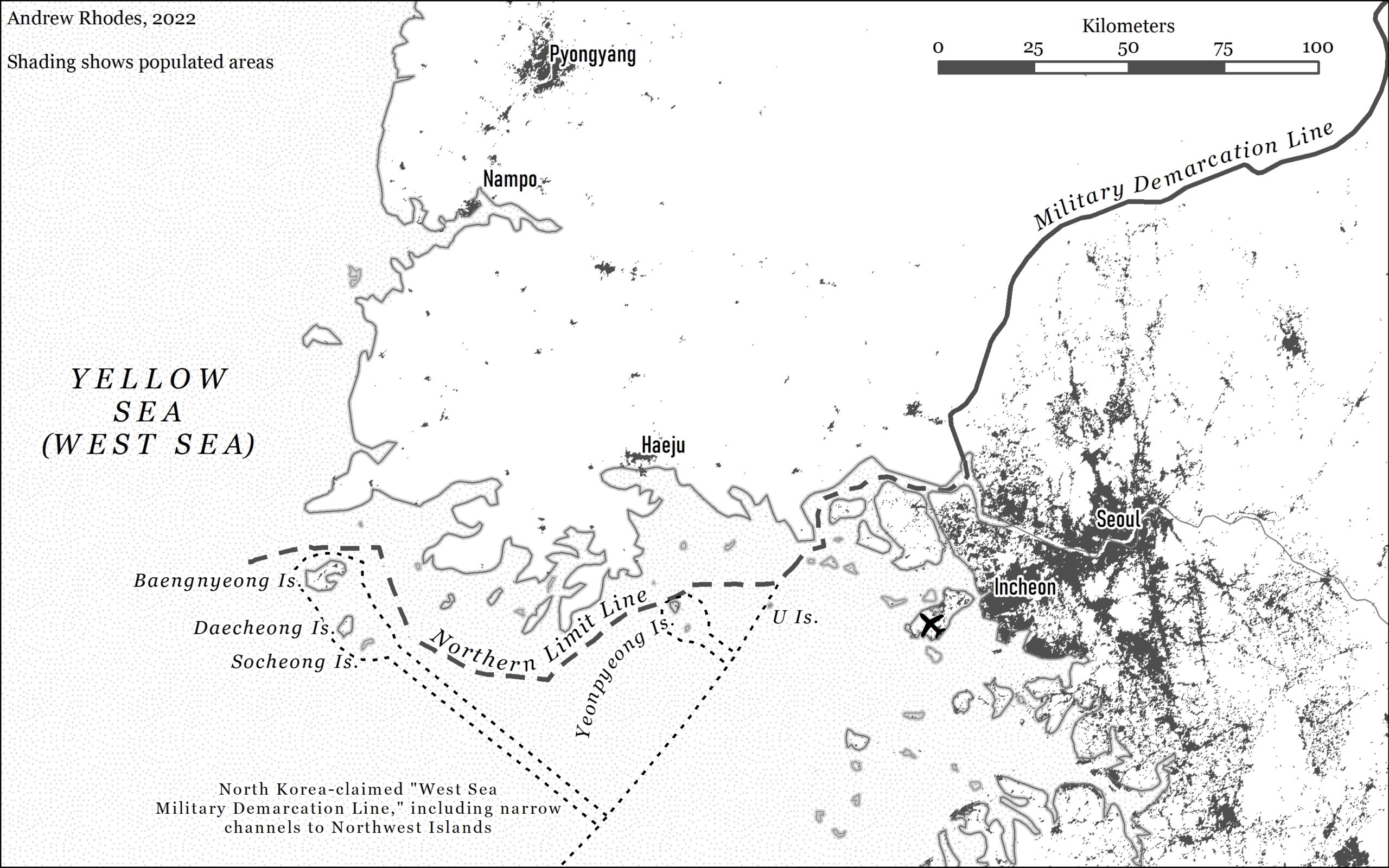
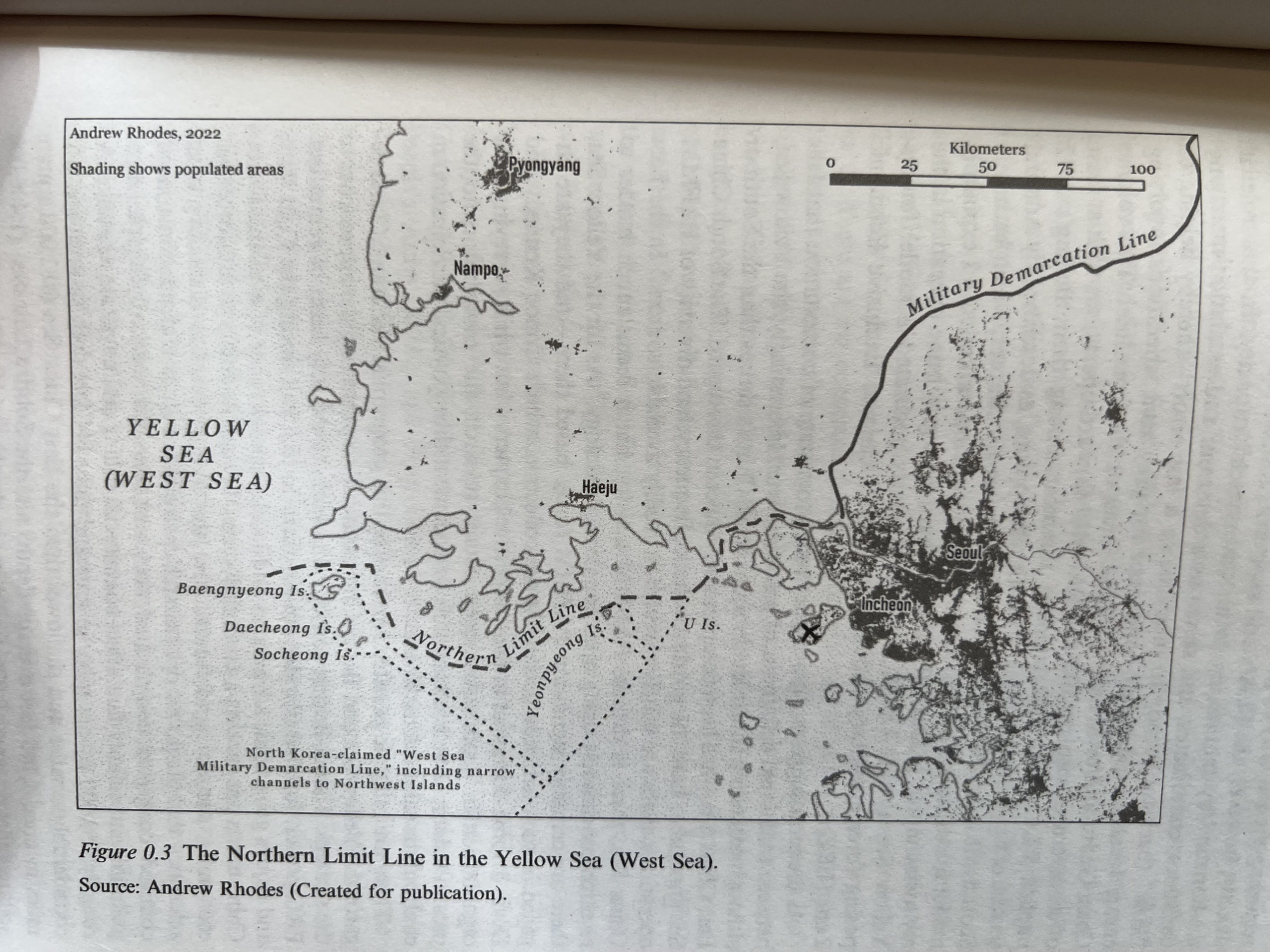
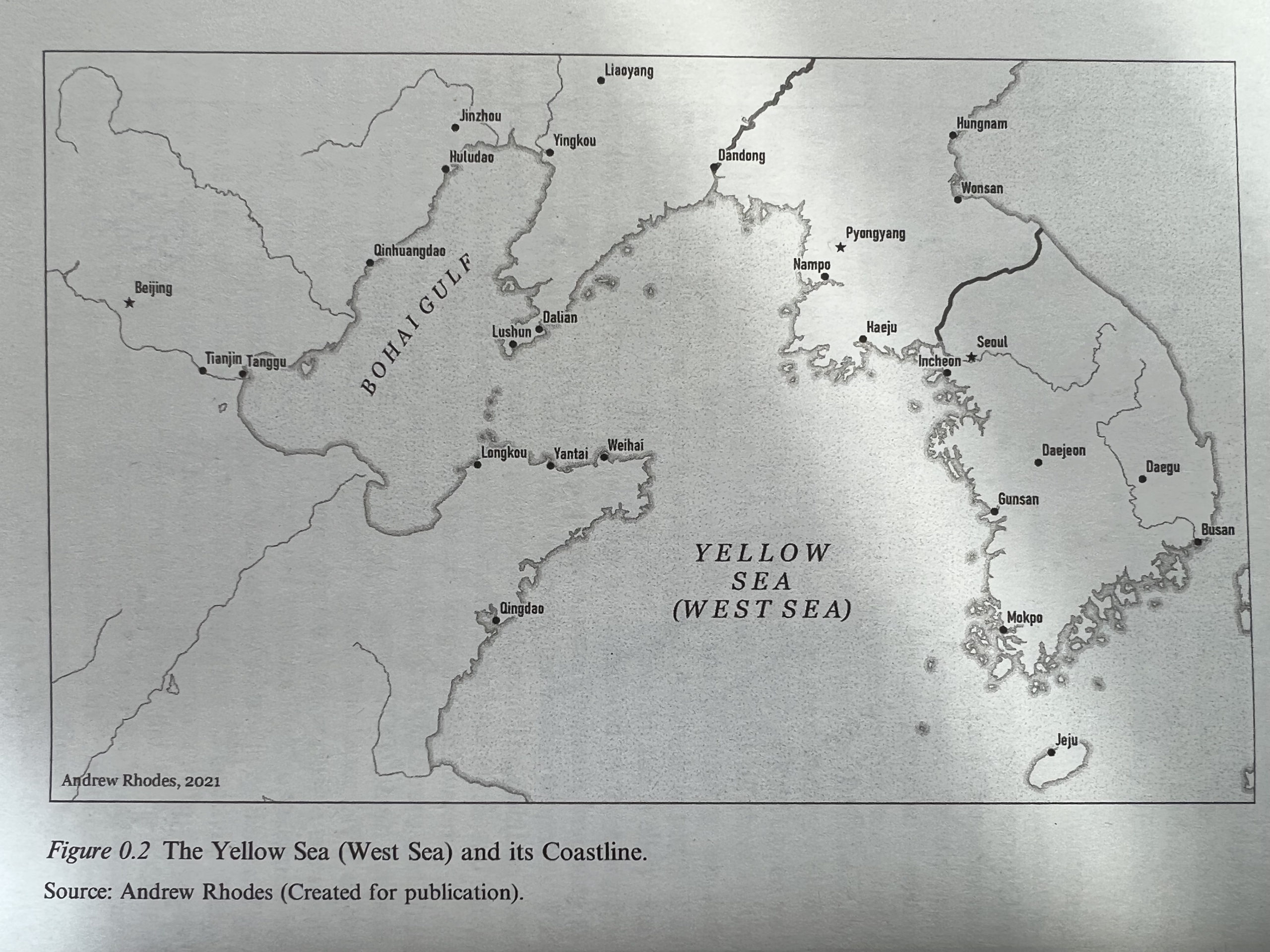
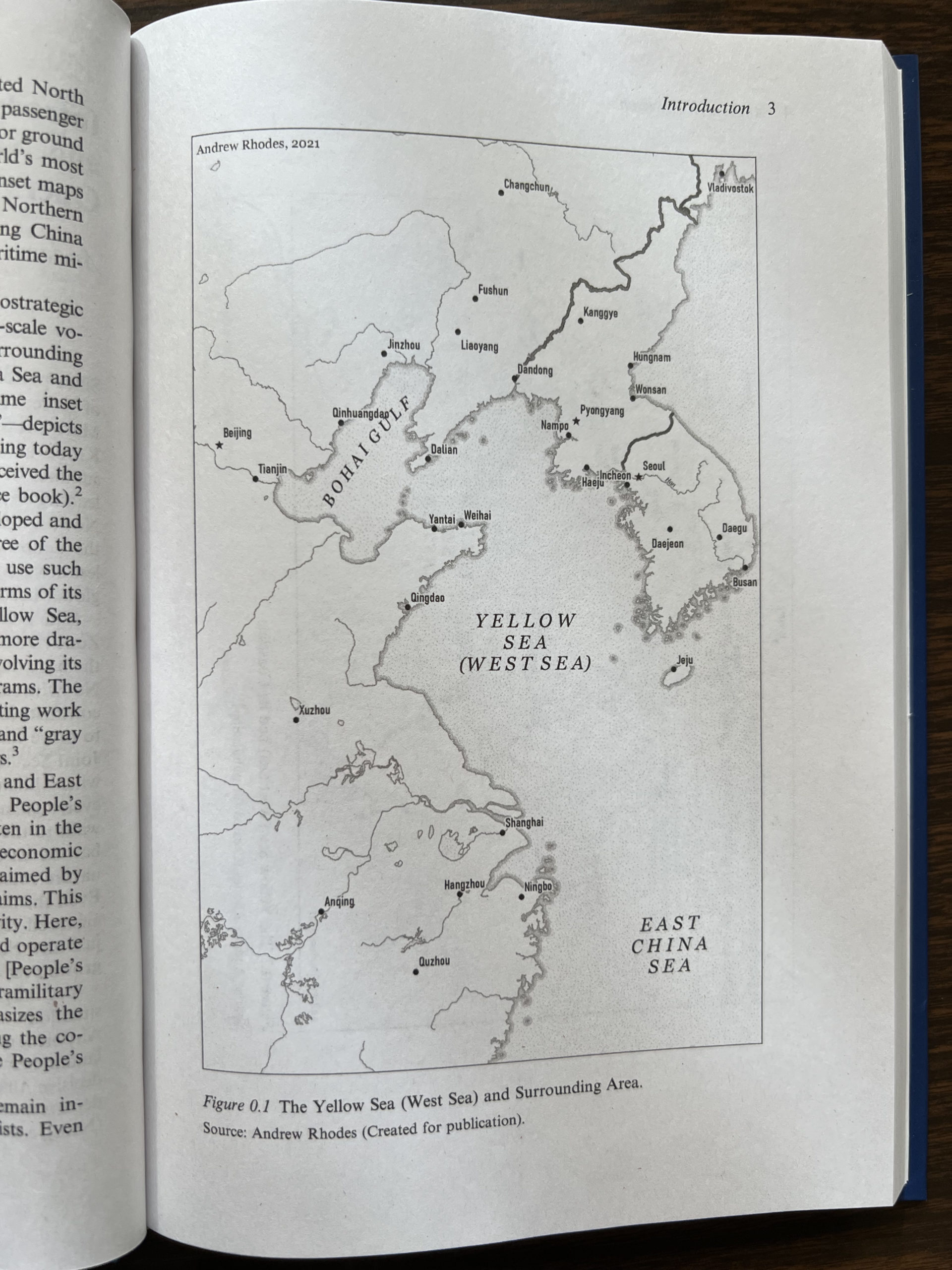
3) Uniquely revealing maps by Andrew Rhodes—including of the Northern Limit Line, Pyongyang’s counterproposals thereto, the five nearby Northwest Islands under South Korean control.
Proud to work with these leading stakeholders and superstars! Peter offers the best gray zone conceptual framework I’ve yet seen. Greg offers a tour de force of comparative context vis-a-vis the South China Sea and East China Sea. Devin offers unparalleled insights on the evolution of specialized PAFMM forces and the extent of their operations in the Yellow Sea. Terry delivers a powerful history and current survey of North Korean strategy, policy, and actions in these strategically pivotal yet strangely understudied waters.
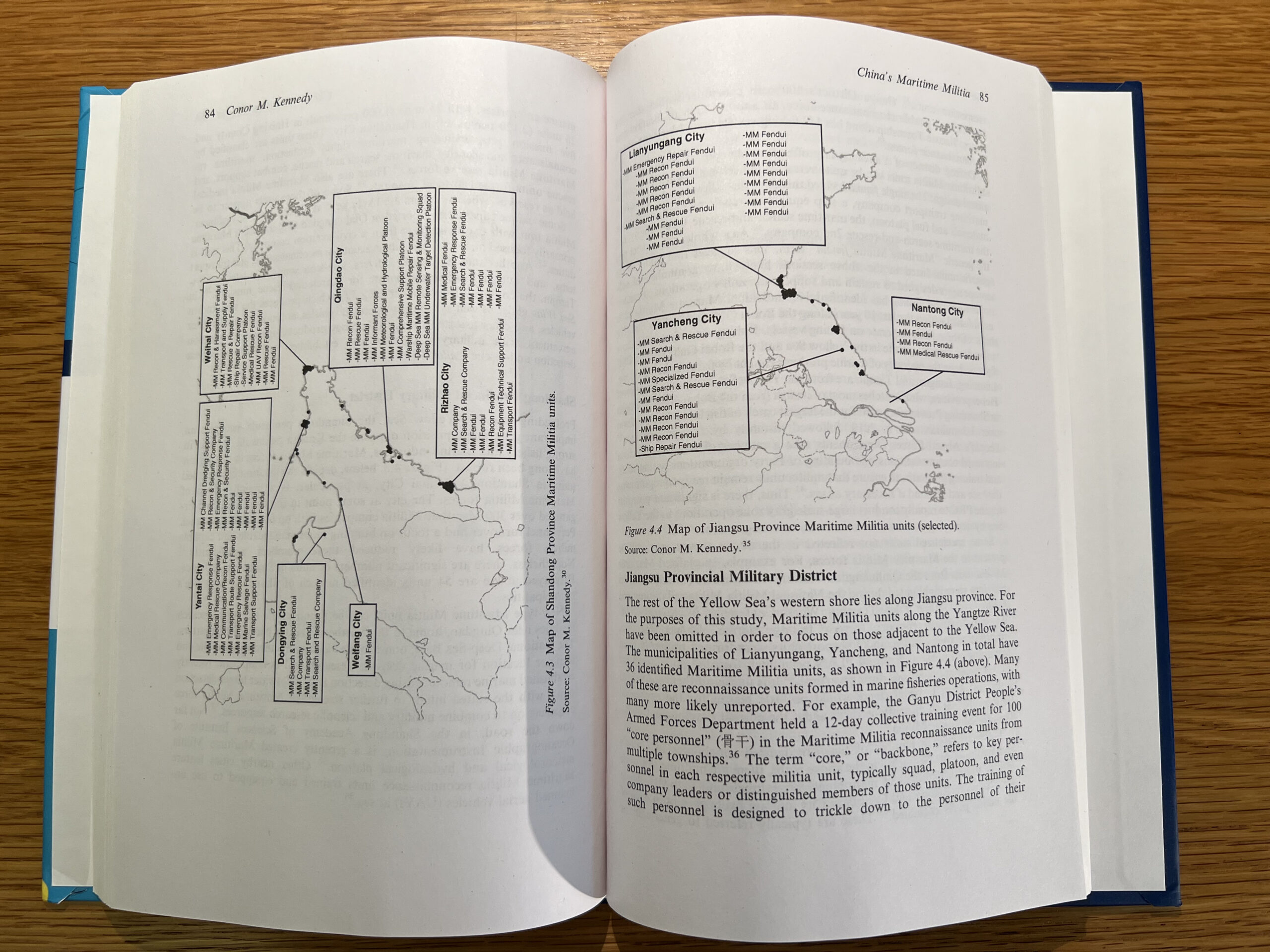
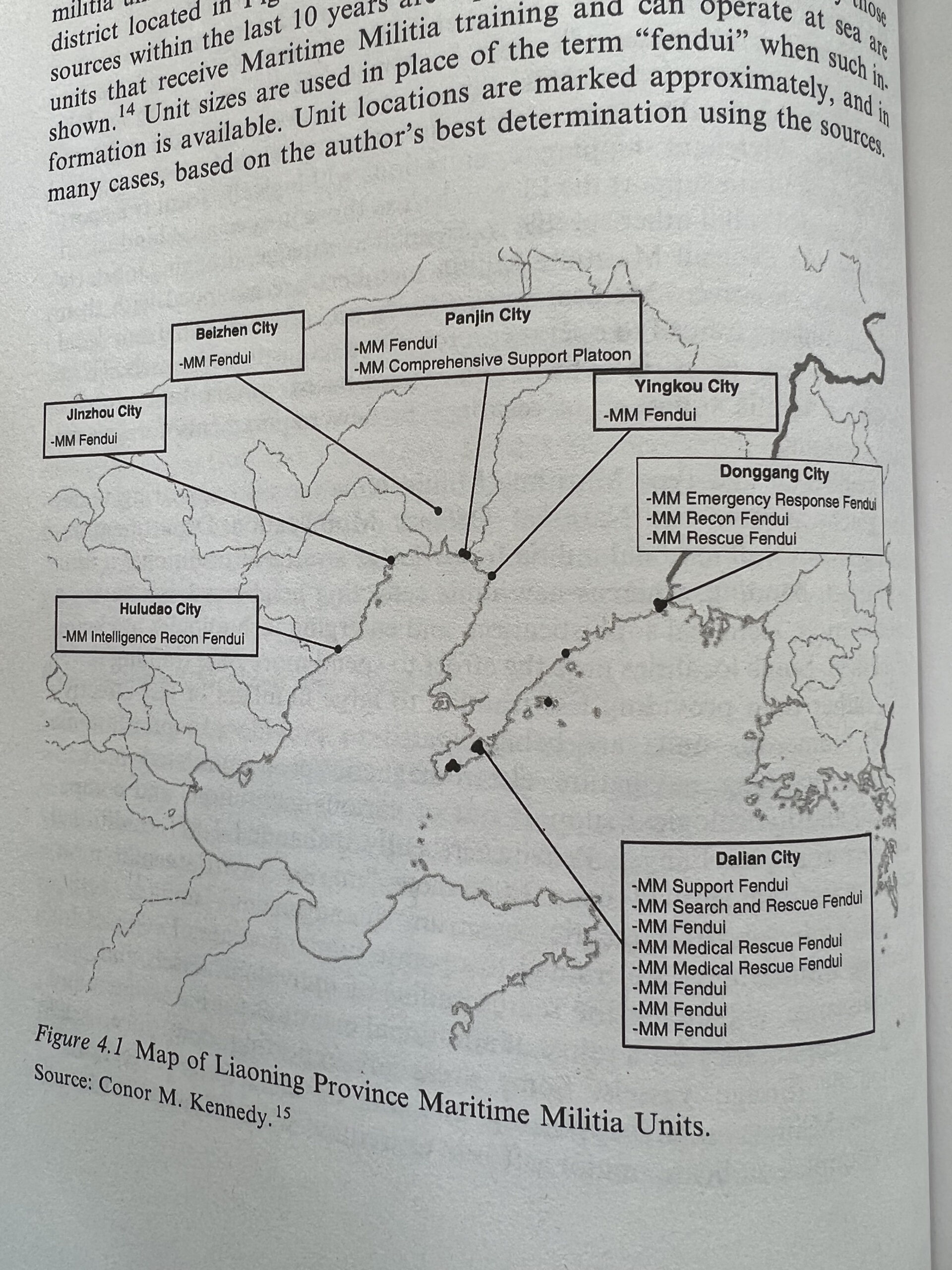
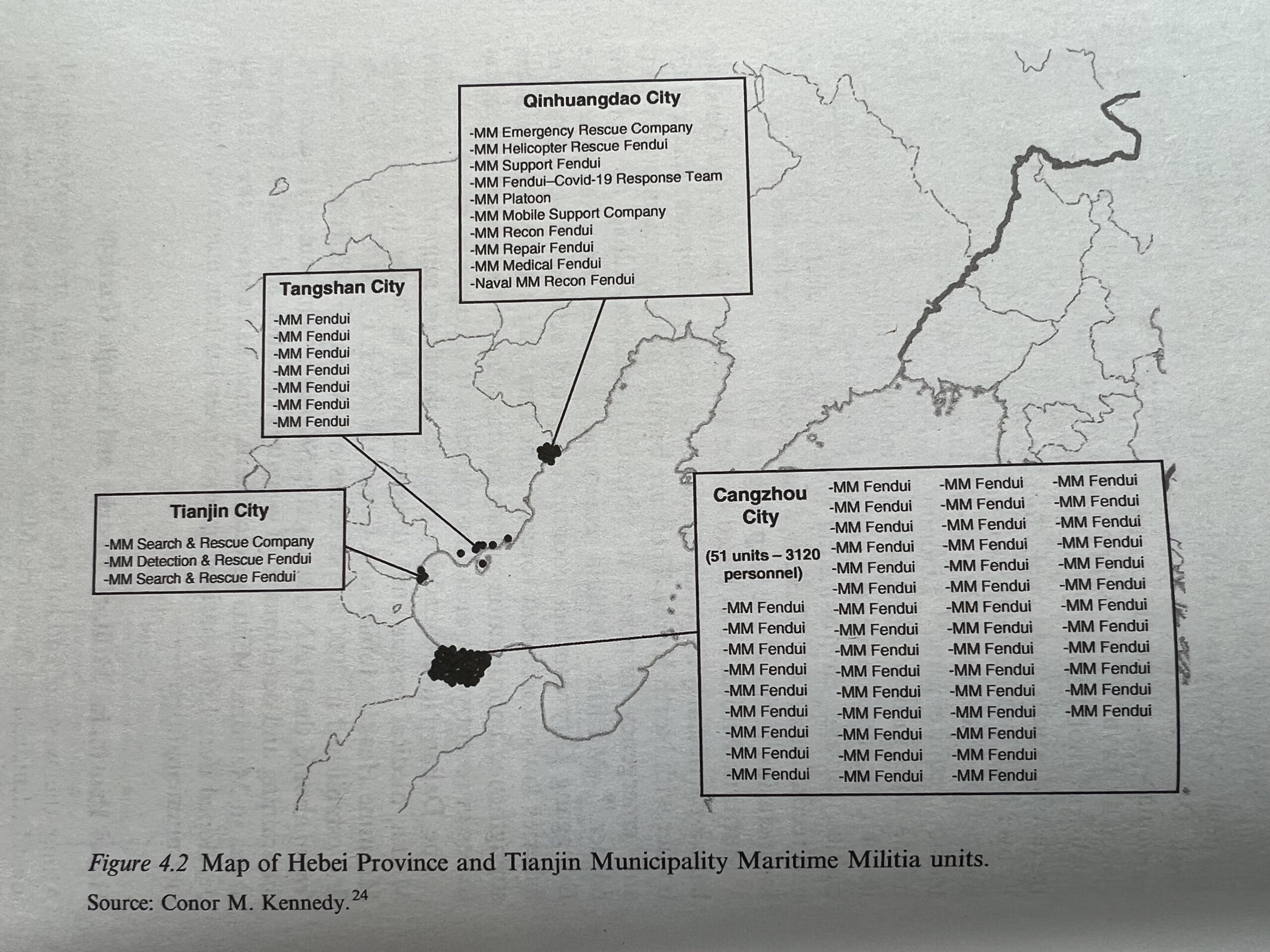
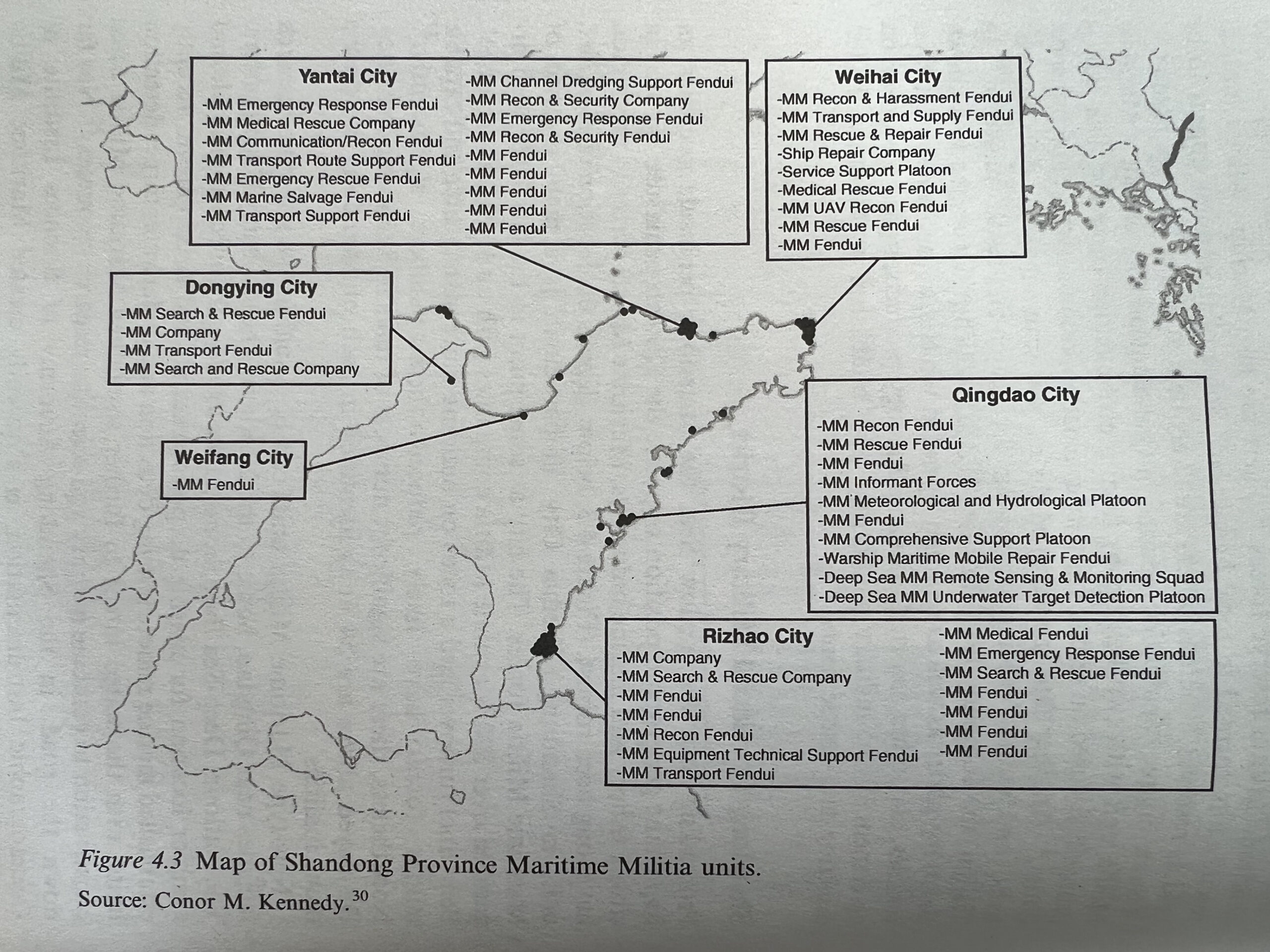
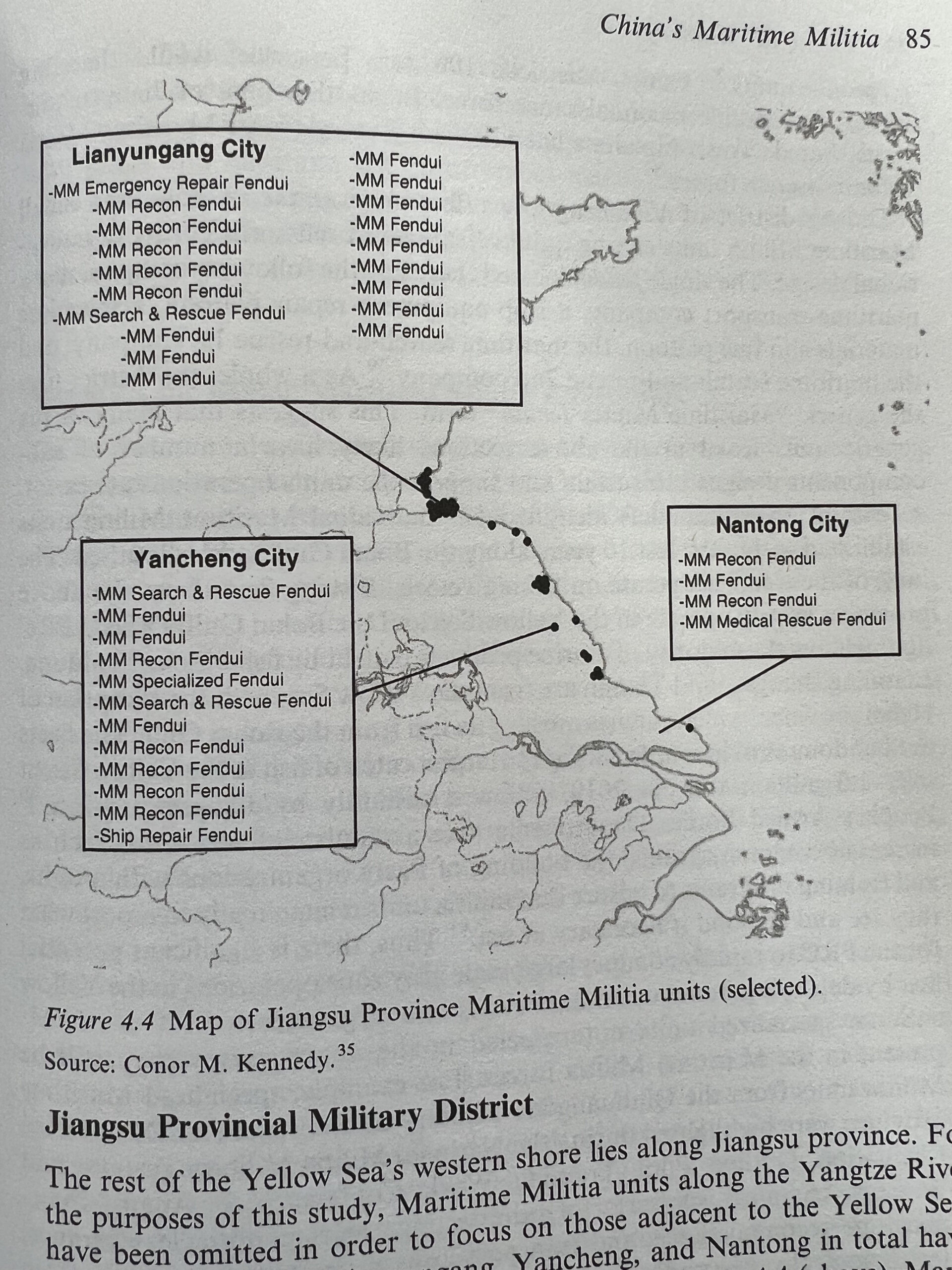
To see just how deep our new book dives in with original Chinese-language research, etc., see the graphics (and endnotes) in Conor’s chapter! He’s identified, geolocated, and analyzed Yellow Sea Maritime Militia units beyond anything else Open Source to the very best of my knowledge.
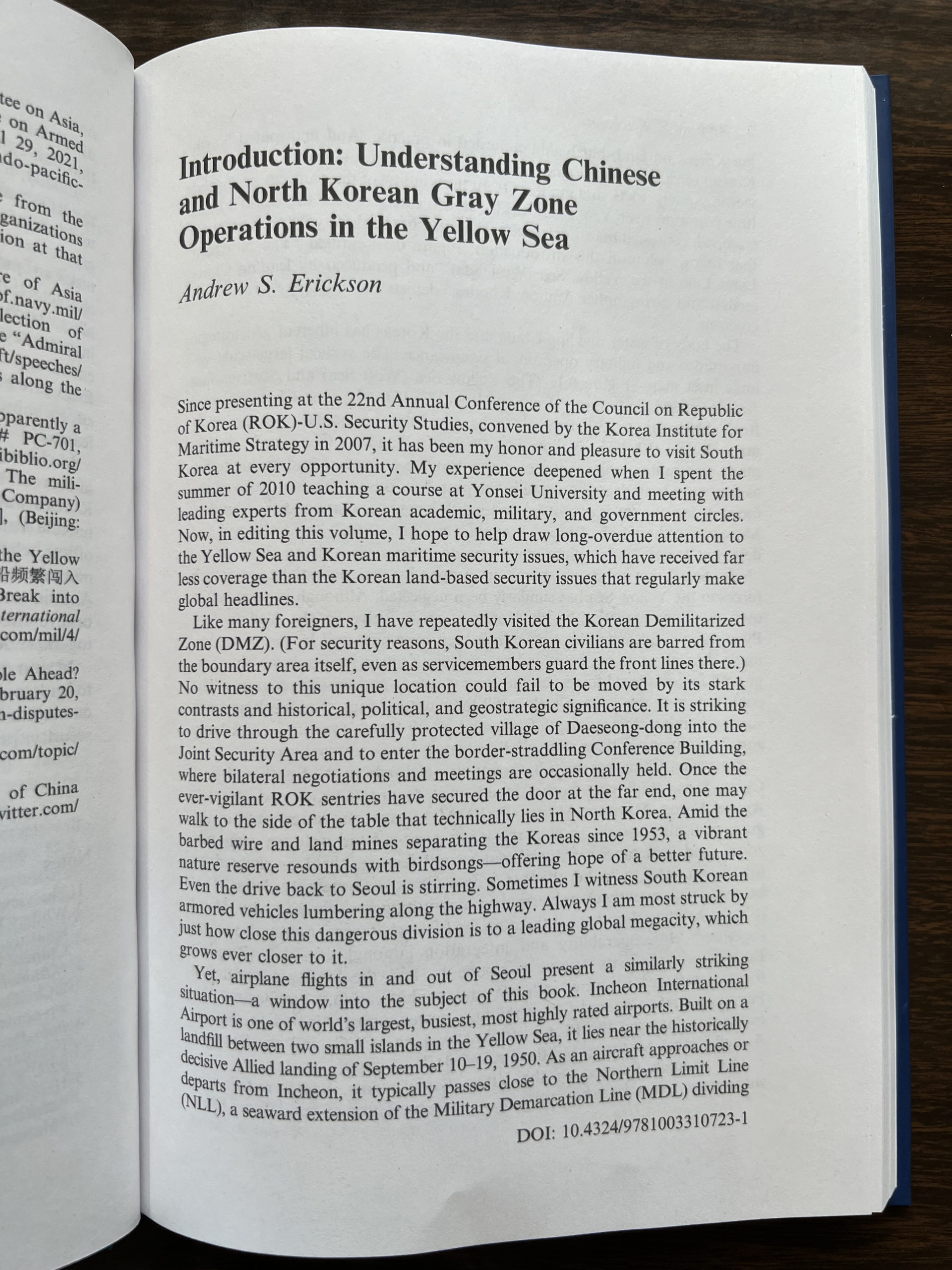
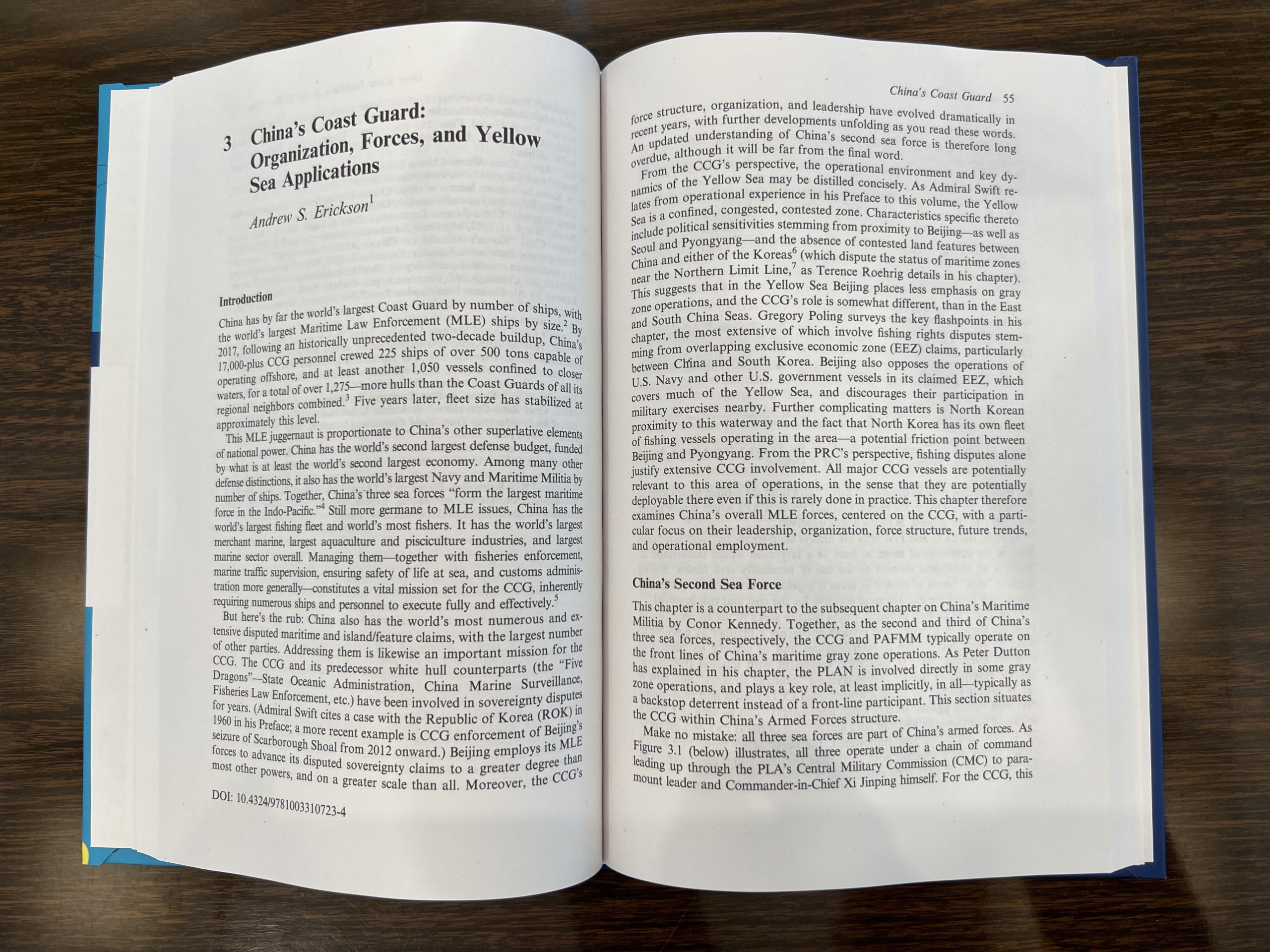
I’m honored to offer an Introduction and a chapter on the China’s Coast Guard. Hope this book helps increase attention to, and understanding of, all these vital issues…

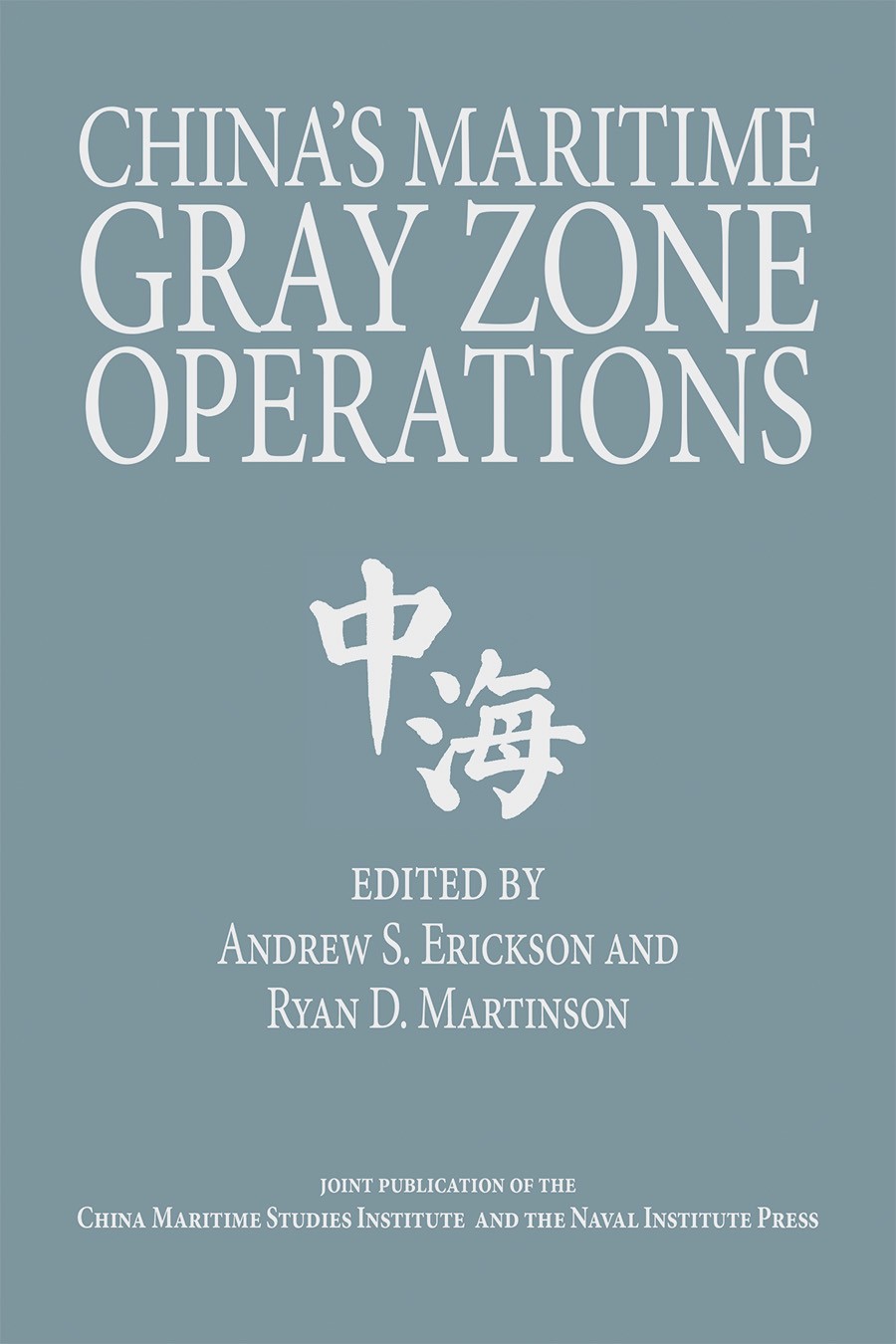
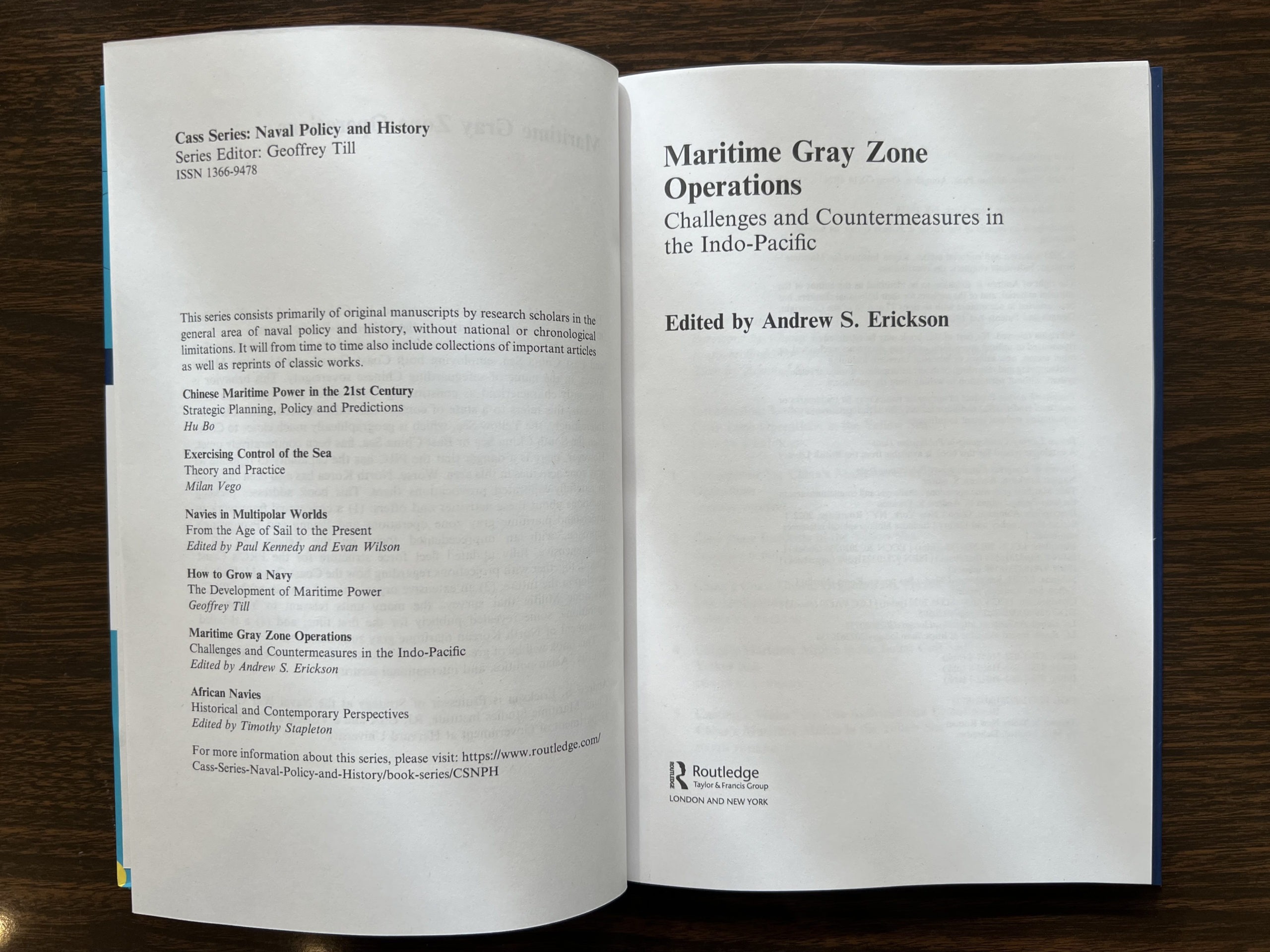
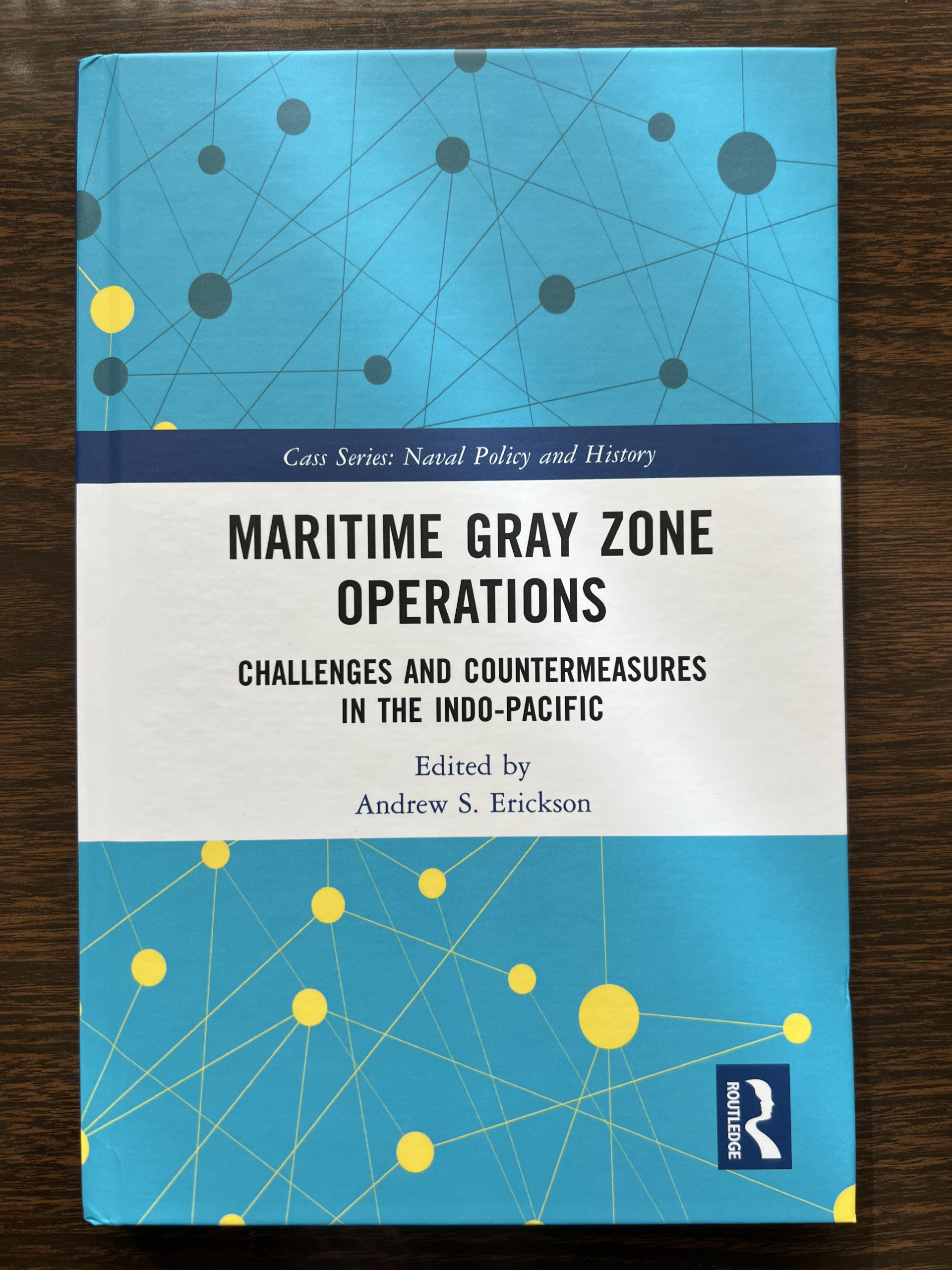
Andrew S. Erickson, ed., Maritime Gray Zone Operations: Challenges and Countermeasures in the Indo-Pacific (New York, NY: Routledge Cass Series: Naval Policy & History, 2022/paperback 2024/open access 2026).
Author of:
- Andrew S. Erickson, “Introduction: Understanding Chinese and North Korean Gray Zone Operations in the Yellow Sea,” 1–18.
- Andrew S. Erickson, “China’s Coast Guard: Organization, Forces, and Yellow Sea Applications,” 54–76.
Book Description
This book addresses the issues raised by Chinese and North Korean maritime ‘gray zone’ activities in the Indo-Asia-Pacific region.
For years, China has been harassing its neighbors in South China Sea and East China Sea, employing both coast guard and maritime militia forces, in the name of safeguarding Chinese sovereignty. This behavior is frequently characterized as constituting ‘gray zone’ activity. As the term suggests, this refers to a state of conflict that falls between peace and war. Interestingly, the Yellow Sea, which is geographically much closer to China than South China Sea or East China Sea, has been comparatively quiet. However, there is a danger that the PRC has the capability to replicate its gray zone activities in this area. Worse, North Korea has also been engaging in carefully-calibrated provocations there. This book addresses pressing questions about these activities and offers: (1) a conceptual framework to understand maritime gray zone operations and Beijing and Pyongyang’s approach, with an unprecedented focus on the Yellow Sea; (2) a comprehensive, fully updated fleet force structure for the PRC’s Coast Guard, together with projections regarding how the Coast Guard is likely to develop in the future; (3) an extensive organizational analysis of the PRC’s Maritime Militia that surveys the many units relevant to Yellow Sea operations, some revealed publicly for the first time; and (4) a detailed assessment of North Korean maritime ‘gray zone’ activities.
This book will be of great interest to students of naval strategy, maritime security, Asian politics, and international security.
The Open Access version of this book, available at https://www.taylorfrancis.com, has been made available under a Creative Commons Attribution-Non Commercial-No Derivatives (CC BY-NC-ND) 4.0 license.
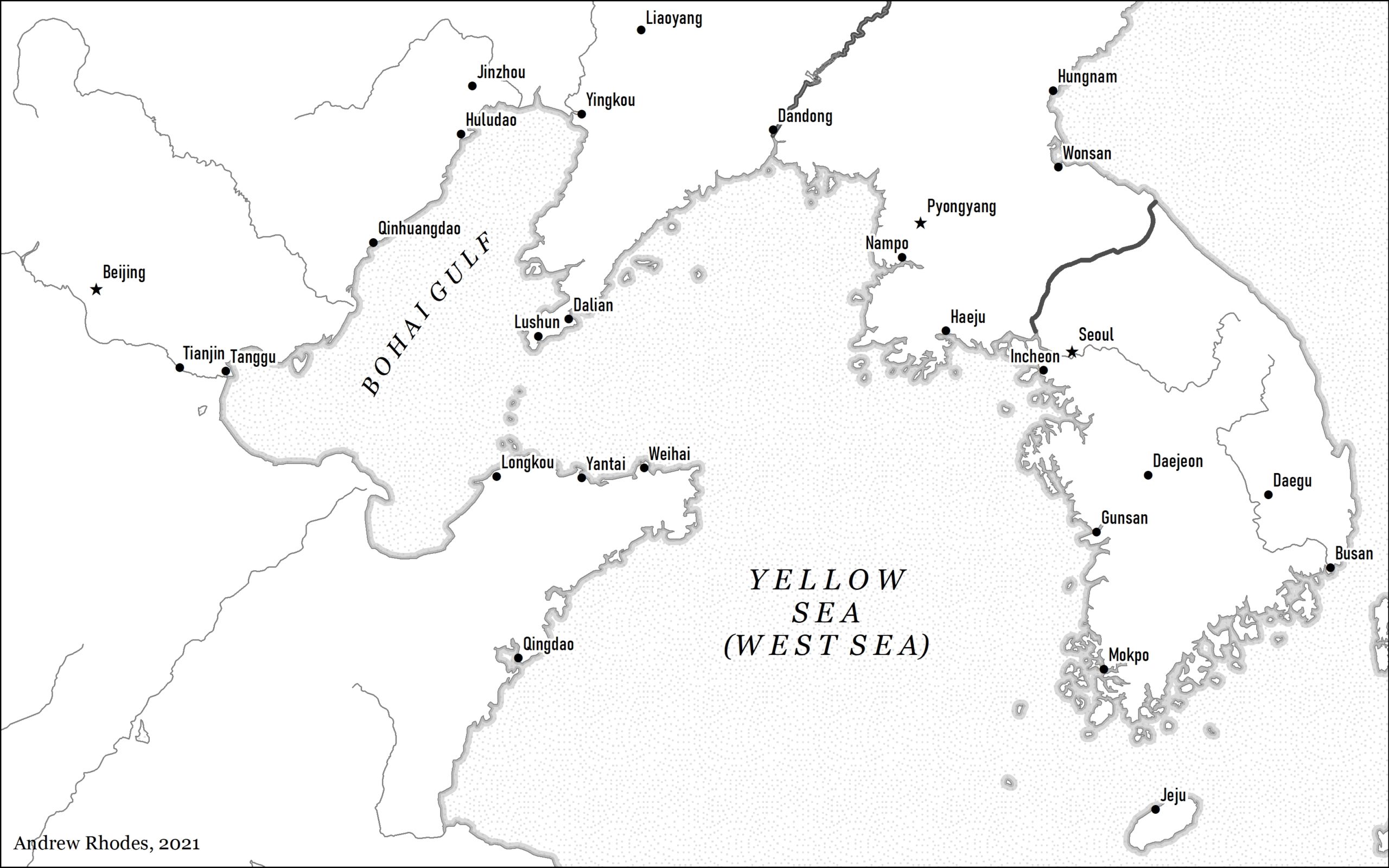
Table of Contents
Introduction: Understanding Chinese and North Korean Gray Zone Operations in the Yellow Sea
Andrew S. Erickson, U.S. Naval War College and Harvard University
The body of water dividing China and the Koreas has inherent geostrategic importance and military operational significance. The South China Sea appears to have the greatest volume, frequency, and diversity of PAFMM operations; these are widely revealed in readily available sources. Compared with the South China Sea, in the East China Sea there are fewer contested features, none controlled by the PRC far from its shores, and hence fewer permissive locations for PAFMM personnel to engage in marine economic activities—a domain that greatly facilitates the scope, variety, and “justification” of their operations in the South China Sea. The chapter also presents an overview on the key concepts discussed in this book.
1. Conceptualizing China’s Maritime Gray Zone Operations
Peter A. Dutton, U.S. Naval War College and MIT
This chapter provides an overall framework for conceptualizing PRC maritime gray zone operations. Referencing relevant history and the key aspects of existing frameworks, the chapter explains why these existing frameworks fall short to properly explain what China’s gray zone activities are and what they are not. In doing so, the chapter validates the emerging theoretical and empirical discourse of gray zone operations as a distinct framework. China’s gray zone behavior is a combination of legal legerdemain and non-militarized coercion. Beijing carefully avoids overt military involvement, and portrays itself as abiding by the law and exercising legitimate jurisdiction and power in the maritime domain. In doing so, it aims to alter the status quo subtly by appearing to defend its claims, rather than employing force and thereby increasing the risk of escalation and outside involvement. Most fundamentally, to resolve claims in its favor while limiting opponents’ options to resist, China’s maritime gray zone operations take advantage of asymmetric capabilities and trade force for time. These approaches facilitate Beijing’s self-portrayal as an aggrieved defender. Further, PRC gray zone operations paradoxically impose the burden of escalation on the subjects of its predations, making it difficult for them to counter effectively.
2. Gray Zone Incidents in the Yellow Sea
Gregory B. Poling, Center for Strategic and International Studies
This chapter provides a historical survey of principal gray zone incidents in the South China, East China, and Yellow Seas, followed by key present and likely future dynamics for the Yellow Sea. Gray zone operations date back to at least the Cold War era. In 1974, when China and Vietnam were vying for control of the Paracel Islands, Beijing employed a proto-gray zone strategy, in which Maritime Militia “fishing boats” were mobilized to frustrate attribution and fuel ambiguity while fulfilling meaningful operational roles. People’s Republic of China (PRC) success in seizing the islands convinced its leadership that this strategy worked and could be usefully employed in the future as well; they invested accordingly. Today’s gray zone operations in the South China Sea should be understood against this historical backdrop. Currently, there are indications of potential gray zone activities in the Yellow Sea, reflecting both China’s propensity to operate as elusively as possible and its willingness to resort to ambiguous and incremental approaches to advance its control over this maritime space.
3. China’s Coast Guard: Organization, Forces, and Yellow Sea Applications
Andrew S. Erickson, U.S. Naval War College and Harvard University
This chapter analyzes the leadership, organization, fleet, and emerging trends regarding China’s Maritime Law Enforcement (MLE) forces. Together with the PLA Navy (PLAN) and People’s Armed Forces Maritime Militia (PAFMM), the China Coast Guard (CCG)—the world’s largest by far in number of ships—constitutes China’s “second sea force” and is in charge of “rights protection.” This entails upholding Beijing’s interests in disputed waters and involves bullying foreign ships to leave, as exemplified in the South China Sea. While the nature of contestation in the Yellow Sea is different, as there are no land features disputed between China and Korea there, Sino-Korean fisheries disputes could well prompt the CCG to deploy its assets and exercise coercion. Part of China’s armed forces, the CCG is regulated by the newly promulgated CCG Law, itself at odds with international law through its determination to impose PRC domestic law on international waters. China’s state-run shipbuilding industry juggernaut has enabled significant quantitative and qualitative CCG growth over the past two decades. Improving technological sophistication is the current focus. Paradoxically, the CCG’s apparent “weakness” compared to China’s heavily armed conventional Navy poses significant challenges to the United States and its allies and partners when contemplating or employing force.
4. China’s Maritime Militia in the Bohai Gulf and Yellow Sea
Conor M. Kennedy, U.S. Naval War College
This chapter surveys the organization, duties, and activities of the People’s Armed Forces Maritime Militia (PAFMM) in the Bohai Gulf and Yellow Sea, specifically those based in the adjoining four coastal provinces: Liaoning, Hebei (and Tianjin Garrison), Shandong, and Jiangsu. Despite its significantly improved naval capacity, China continues to rely on its locally rooted “third sea force” as it advances “all elements” in pursuit of its goal, announced in 2012, to become a great maritime power. Paramount leader and Commander-in-Chief of China’s armed forces Xi Jinping himself takes a keen interest in supporting and employing the Maritime Militia. Although PAFMM development has been amply observed and analyzed vis-à-vis the South China Sea, almost nothing in detail or in English has previously been written regarding its Yellow Sea component. In surveying the basing locations, scale, organization, and established and potential missions for China’s Yellow Sea-based PAFMM, this chapter reveals fresh findings, including the establishment and utilization of specialized new units by organizations developing manned and unmanned undersea vehicles as well as related advanced technologies. China probably seeks to maintain the status quo regarding the Yellow Sea at present, which includes the use of PAFMM in intelligence collection. However, PAFMM forces currently conduct presence, harassment and sabotage, and escort operations in the South China Sea; their counterparts in the Yellow Sea have the ability to conduct similar activities, and they may well do so.
5. Casting a Wider Net: The Activities and Evolution of China’s Maritime Militia in the Yellow Sea
Devin Thorne, Threat Intelligence Analyst, Recorded Future
This chapter addresses the activities and evolution of People’s Armed Forces Maritime Militia (PAFMM) units in the Yellow Sea, with particular attention to tactics, technology, and industrialization. It is broadly evident that the PAFMM’s mission is to declare PRC sovereignty in disputed waters and that it and affiliated forces collect intelligence in the Yellow Sea, even as it remains unclear what precisely the PAFMM is charged with achieving there. Based on comparisons of conflicts between Chinese fishers and South Korean law enforcement, PAFMM training, and known PAFMM operations in other waters, there is a possibility that the PAFMM is engaged in a low-intensity, long-term effort to establish PRC control over the Yellow Sea as well. Because they must interoperate with PLAN forces and China’s coastal defense infrastructure, PAFMM forces employ advanced technology to support their intelligence collection activities. Technology used by the PAFMM will probably become increasingly sophisticated. This trend, along with the expansion of the PAFMM to include assets from non-fishing industries, will bolster China’s steadily improving maritime domain awareness and the PAFMM’s potential for monitoring South Korean military forces and activities. PAFMM operations in the South China Sea might presage similar efforts in the Yellow Sea, underscoring the need for Seoul to follow developments closely. Possible scenarios include PAFMM forces clashing with South Korea’s Coast Guard over Socotra Rock or disputed fishing zones.
6. North Korea: Gray Zone Actions in the Yellow Sea
Terence Roehrig, U.S. Naval War College and Columbia University
This chapter surveys North Korean maritime operations in the Yellow Sea, of the type that might be termed either “gray zone” or “gray zone-adjacent,” given their often asymmetric, ambiguous, and incremental nature. Different from China with its far more limited capabilities in general, and its lack of a robust Coast Guard, or any Maritime Militia, in particular, North Korea must rely almost exclusively on its Navy for its adversarial maritime operations. With lesser capabilities, fewer options, and arguably higher immediate stakes, Pyongyang deploys the Korean People’s Navy to contest the Northern Limit Line (NLL). This chapter provides a detailed overview of the instances of North Korean gray zone operations in the past. The primary purpose of North Korean gray zone operations in the Yellow Sea is to change the status quo regarding the NLL, which disadvantages North Korean access to this economic and strategically vital body of water on its self-declared terms. However, Pyongyang’s use of force and violence through gray zone tactics will not succeed because it will only reinforce security concerns and strengthen Seoul’s resolve to maintain the NLL until there are significant improvements to inter-Korean relations.
Editor
Biography
Andrew S. Erickson is Professor of Strategy at the Naval War College’s China Maritime Studies Institute, RI, USA and a Visiting Scholar in the Department of Government at Harvard University.
The paperback edition was Amazon’s #1 New Release in North Korean History:



Conor M. Kennedy, “China’s Maritime Militia in the Bohai Gulf and Yellow Sea,” in Andrew S. Erickson, ed., Maritime Gray Zone Operations: Challenges and Countermeasures in the Indo-Pacific (New York, NY: RoutledgeCass Series: Naval Policy & History, 2022), 77–99.
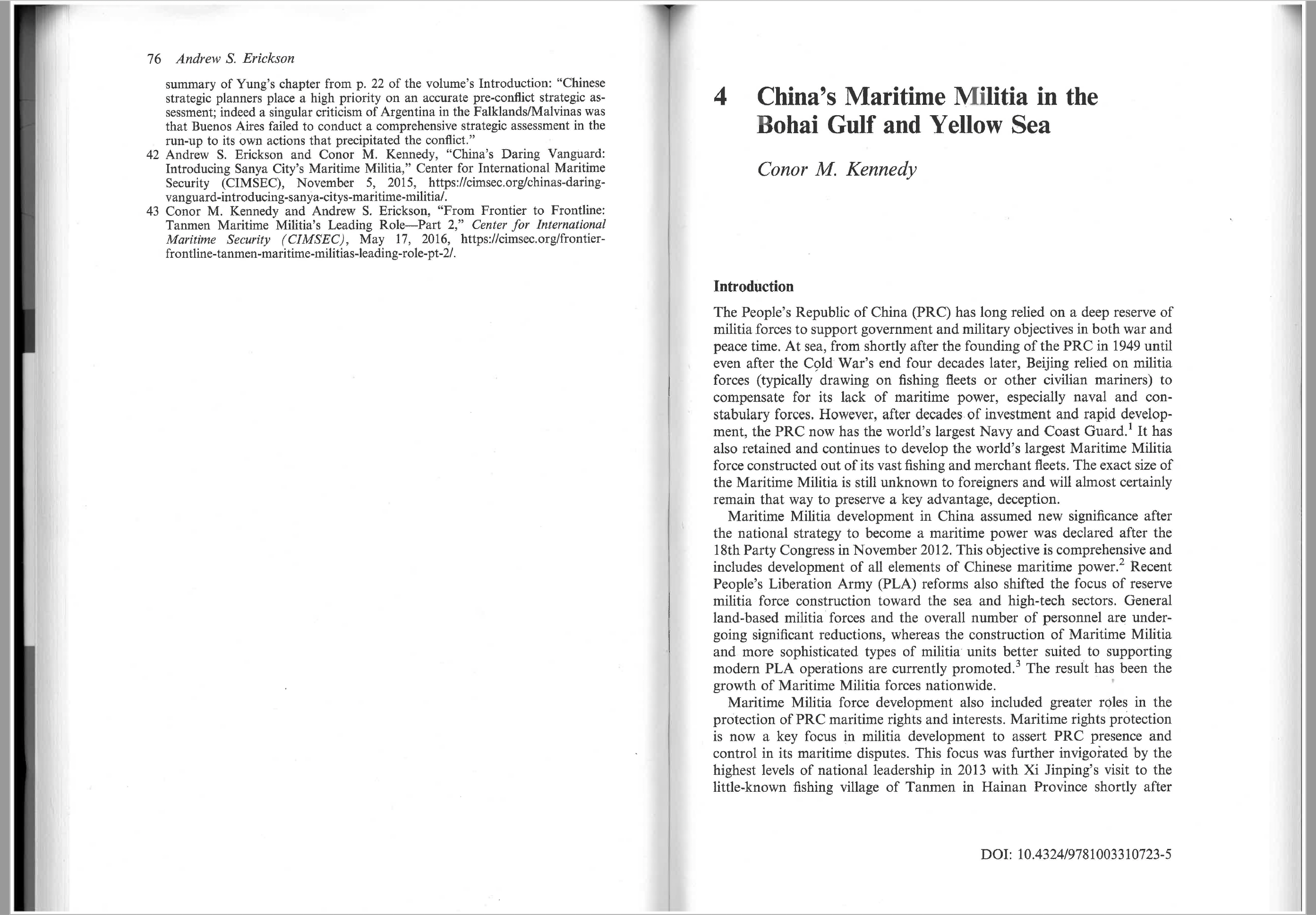
The People’s Republic of China (PRC) has long relied on a deep reserve of militia forces to support government and military objectives in both war and peace time. At sea, from shortly after the founding of the PRC in 1949 until even after the Cold War’s end four decades later, Beijing relied on militia forces (typically drawing on fishing fleets or other civilian mariners) to compensate for its lack of maritime power, especially naval and constabulary forces. However, after decades of investment and rapid development, the PRC now has the world’s largest Navy and Coast Guard.1 It has also retained and continues to develop the world’s largest Maritime Militia force constructed out of its vast fishing and merchant fleets. The exact size of the Maritime Militia is still unknown to foreigners and will almost certainly remain that way to preserve a key advantage, deception.
Maritime Militia development in China assumed new significance after the national strategy to become a maritime power was declared after the 18th Party Congress in November 2012. This objective is comprehensive and includes development of all elements of Chinese maritime power.2 Recent People’s Liberation Army (PLA) reforms also shifted the focus of reserve militia force construction toward the sea and high-tech sectors. General land-based militia forces and the overall number of personnel are undergoing significant reductions, whereas the construction of Maritime Militia and more sophisticated types of militia units better suited to supporting modern PLA operations are currently promoted.3 The result has been the growth of Maritime Militia forces nationwide.
Maritime Militia force development also included greater roles in the protection of PRC maritime rights and interests. Maritime rights protection is now a key focus in militia development to assert PRC presence and control in its maritime disputes. This focus was further invigorated by the highest levels of national leadership in 2013 with Xi Jinping’s visit to the little-known fishing village of Tanmen in Hainan Province shortly after coming to power.4 Xi’s visit on the first anniversary of China’s capture of Scarborough Reef from the Philippines in 2012, with the help of the village’s Maritime Militia, made it clear that the Maritime Militia will continue to be a key component in protecting maritime rights and interests. Xi is reported to have issued multiple directives on maritime rights protection and Maritime Militia construction since he assumed power.5 This demonstrates strong recognition of the success these forces had in protecting and advancing PRC claims without sparking a regional conflict.
The militia has a prominent role in protecting maritime rights and interests in the South China Sea due to sovereignty and territorial disputes between China and other regional claimants. Numerous operations and achievements by Maritime Militia forces in the South China Sea have been well-documented and acknowledged by international observers.6 Maritime Militia forces in the Bohai Gulf and Yellow Sea receive significantly less attention. However, Maritime Militia force development in this region appears to be equally as robust as in the rest of China’s coastal provinces. As a key responsibility of PLA provincial military districts, militia construction in northern coastal provinces has also shifted focus toward the sea.
This chapter provides a comprehensive review of Maritime Militia forces that could be mobilized in the Yellow Sea, how they are organized, and how the PLA envisions their use. The decentralized nature of militia development nationwide provides abundant authoritative open sources that elucidate this still insufficiently studied force. Surveying sources from various local governments, media news services, and PLA writings reveals the scale, organization, and development of Maritime Militia forces in Chinese provinces along the Bohai Gulf and Yellow Sea. Details on specific units, training, and other factors also demonstrate what capabilities may be available when mobilized, and can establish a baseline of Maritime Militia forces that commanders may draw upon in a gray zone scenario. This will be crucial to gauge potential responses by China in gray zone disputes in the region. … … …
***