CMSI Translation #38: “Furious Seas, Raging Waves: The PLA’s Development of Sea-to-Shore Strike Capabilities”
Tian Ying, “Furious Seas, Raging Waves: The PLA’s Development of Sea-to-Shore Strike Capabilities,” CMSI Translation 38 (Newport, RI: Naval War College China Maritime Studies Institute, 29 October 2026).
DOWNLOAD A FULL-TEXT CACHED PDF HERE.
From CMSI Director CAPT Christopher Sharman, USN (Ret.):
China Military Maritime Watchers:
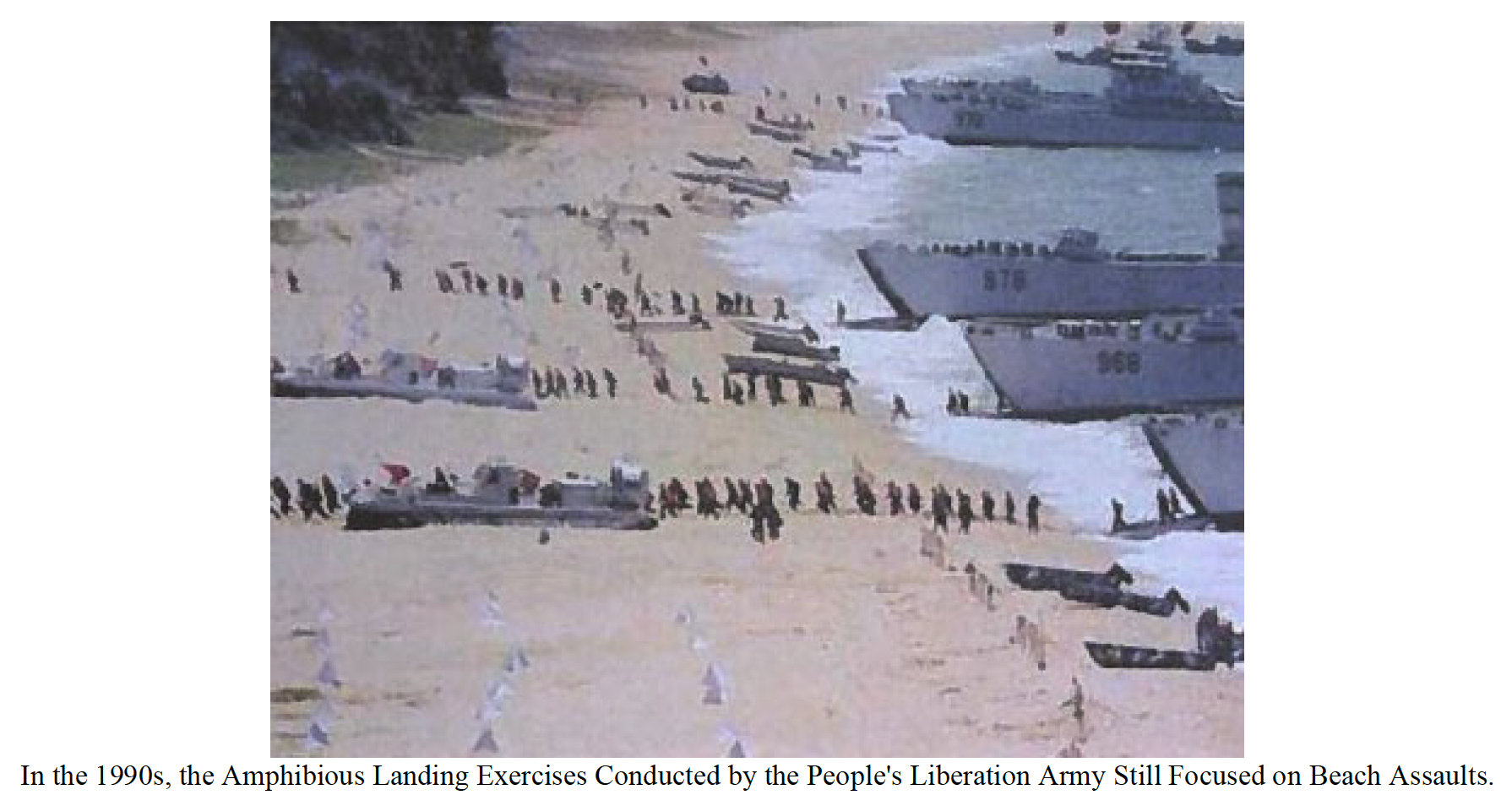
How do PRC authors envision the PLA bridging the gap between its opening bombardment of Taiwan and an amphibious landing?
The China Maritime Studies Institute (CMSI) translation, “Furious Seas, Raging Waves: The PLA’s Development of Sea-to-Shore Strike Capabilities,” examines how one PRC author believes the PLA could sustain fires against Taiwan’s surviving defenses to support an amphibious assault.
Authored by 天鹰 [Tian Ying], this article appeared in the November 2024 issue of the PRC navalist publication Shipborne Weapons. While the journal is not an official PLA publication, the author uses a pseudonym and appears informed of PLA requirements, capabilities, and—most importantly for this article—limitations.
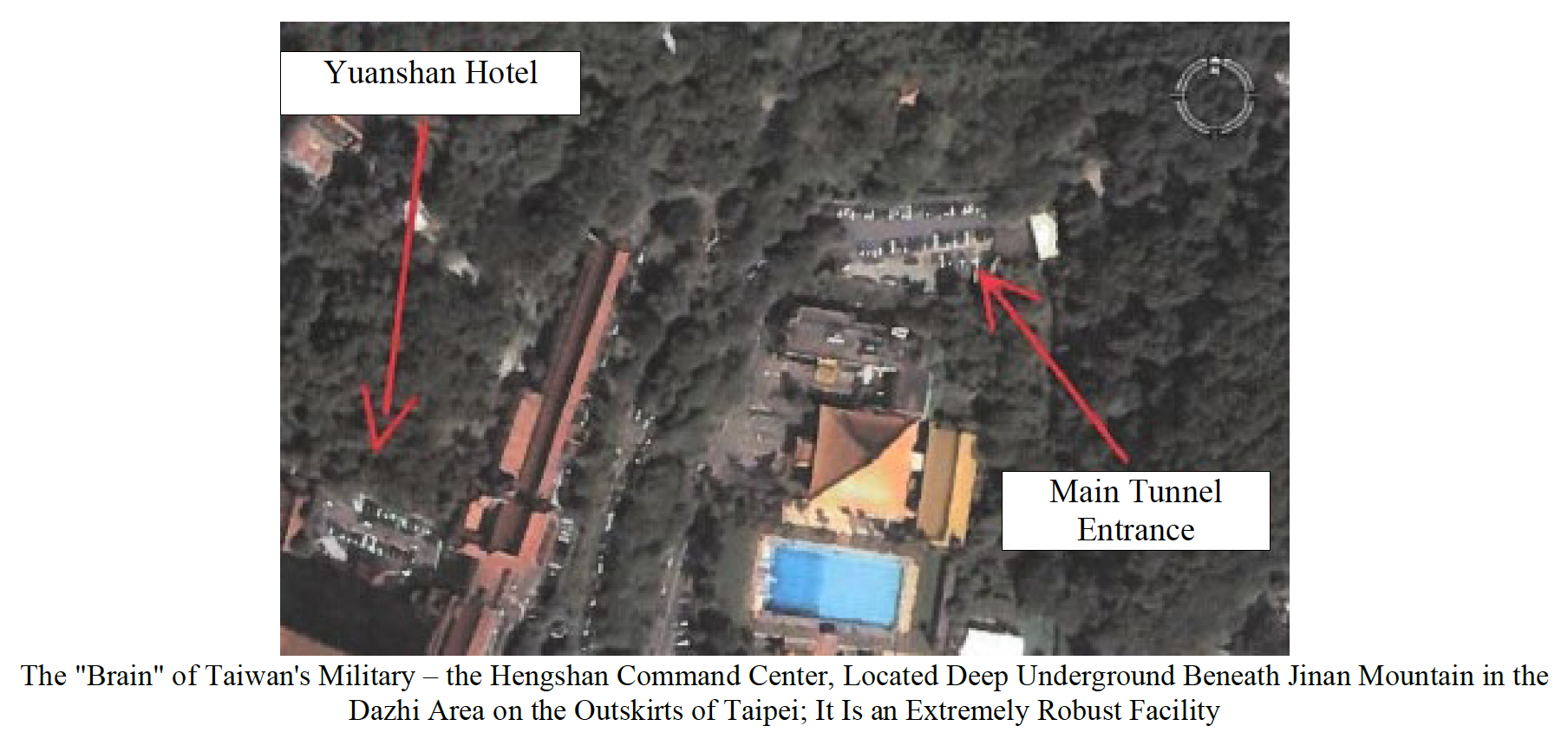
The article identifies a specific operational problem: China’s ballistic missiles, cruise missiles, and long-range rocket artillery may devastate exposed Taiwanese targets in an opening joint firepower strike campaign, but cannot be expected to eliminate concealed, mobile, or rapidly reconstituted defenses.
Surviving mobile air-defense systems, anti-ship missiles, artillery, and other counter-landing weapons could continue to threaten PLA amphibious forces and must be engaged as they emerge, move, or resume operations.
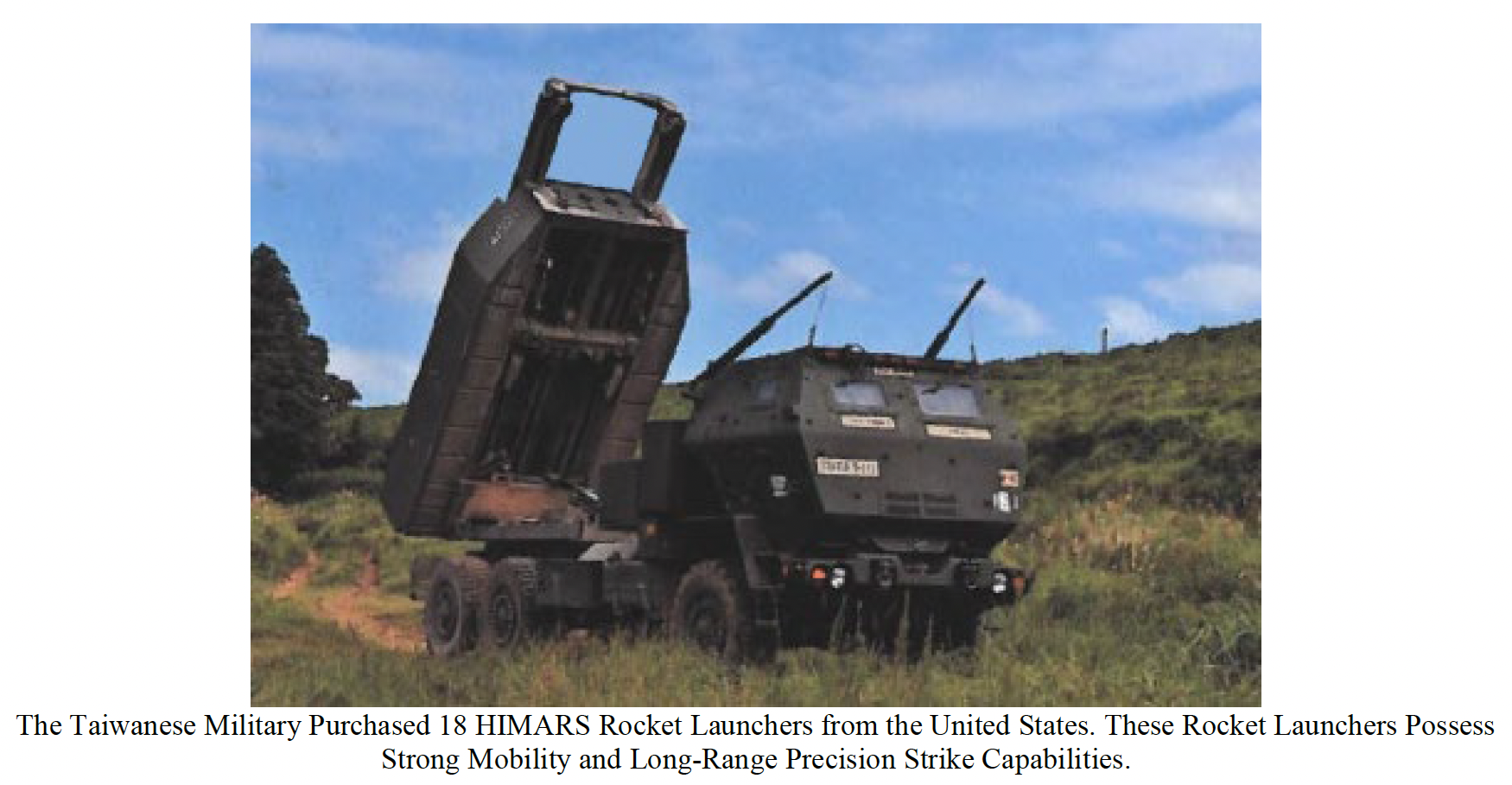
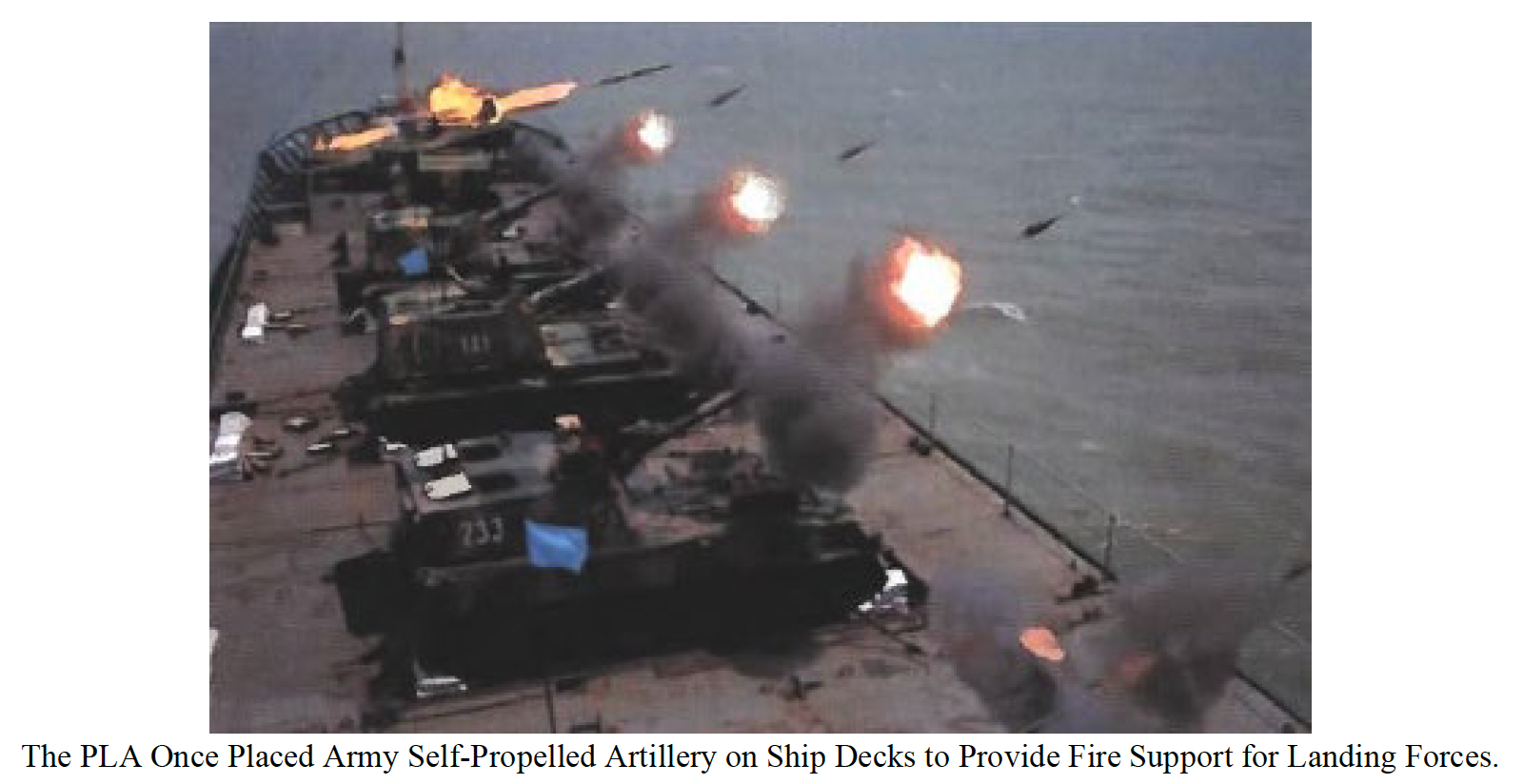
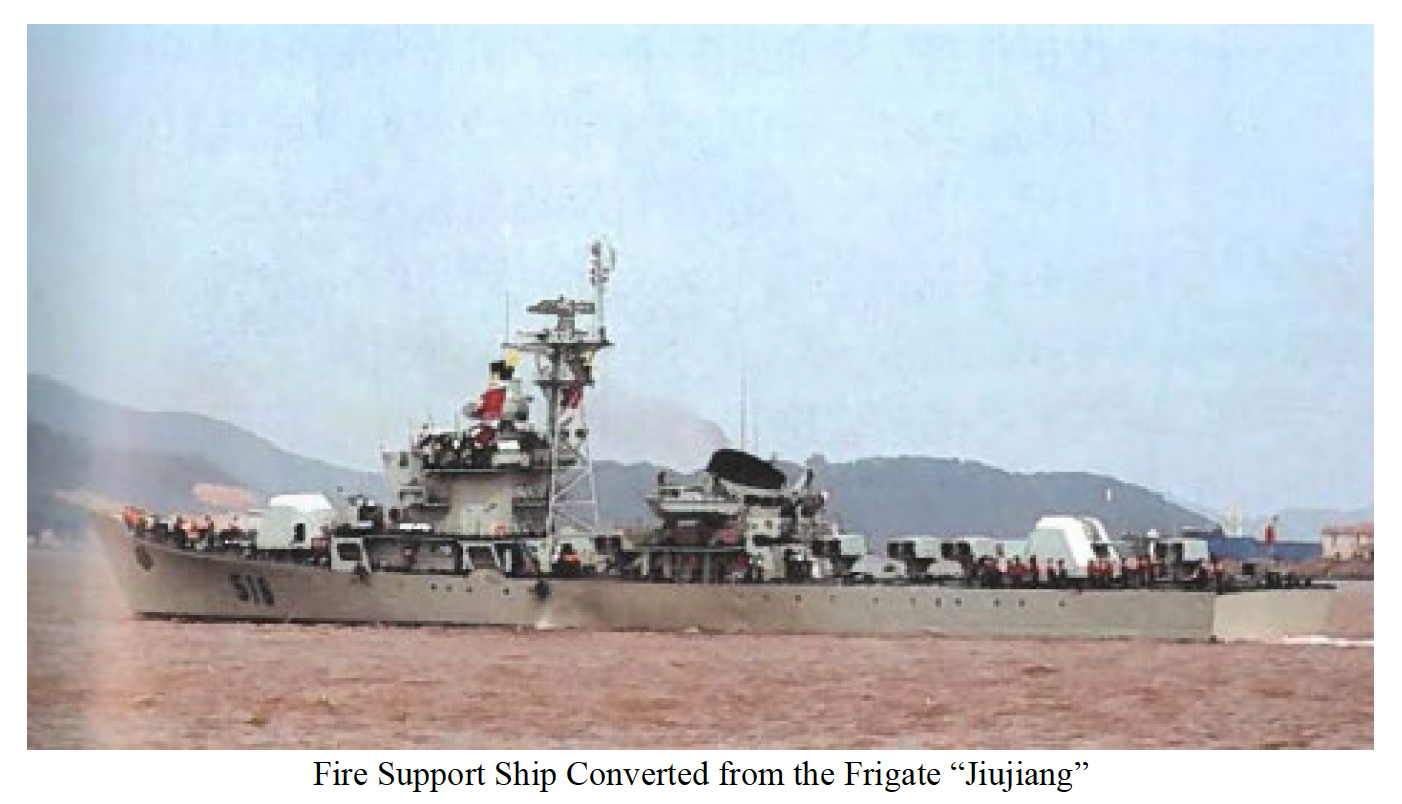
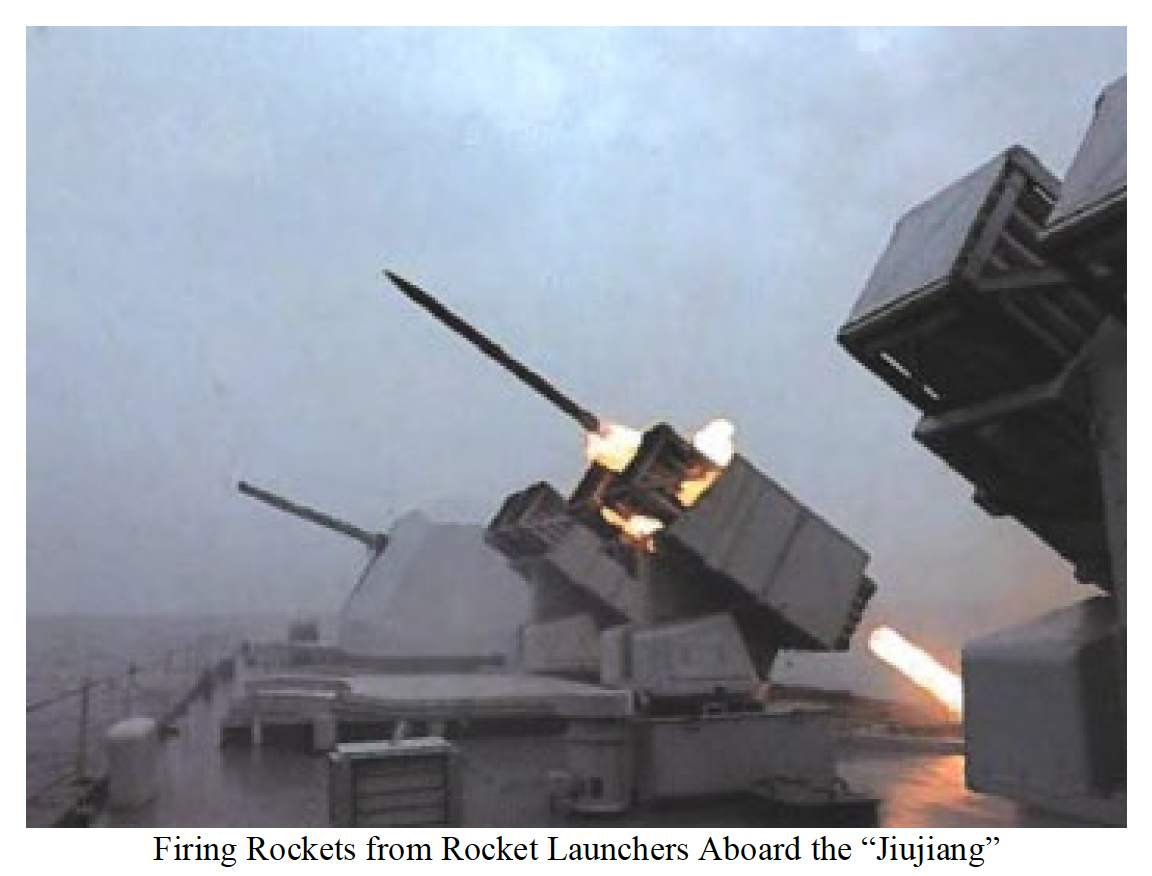
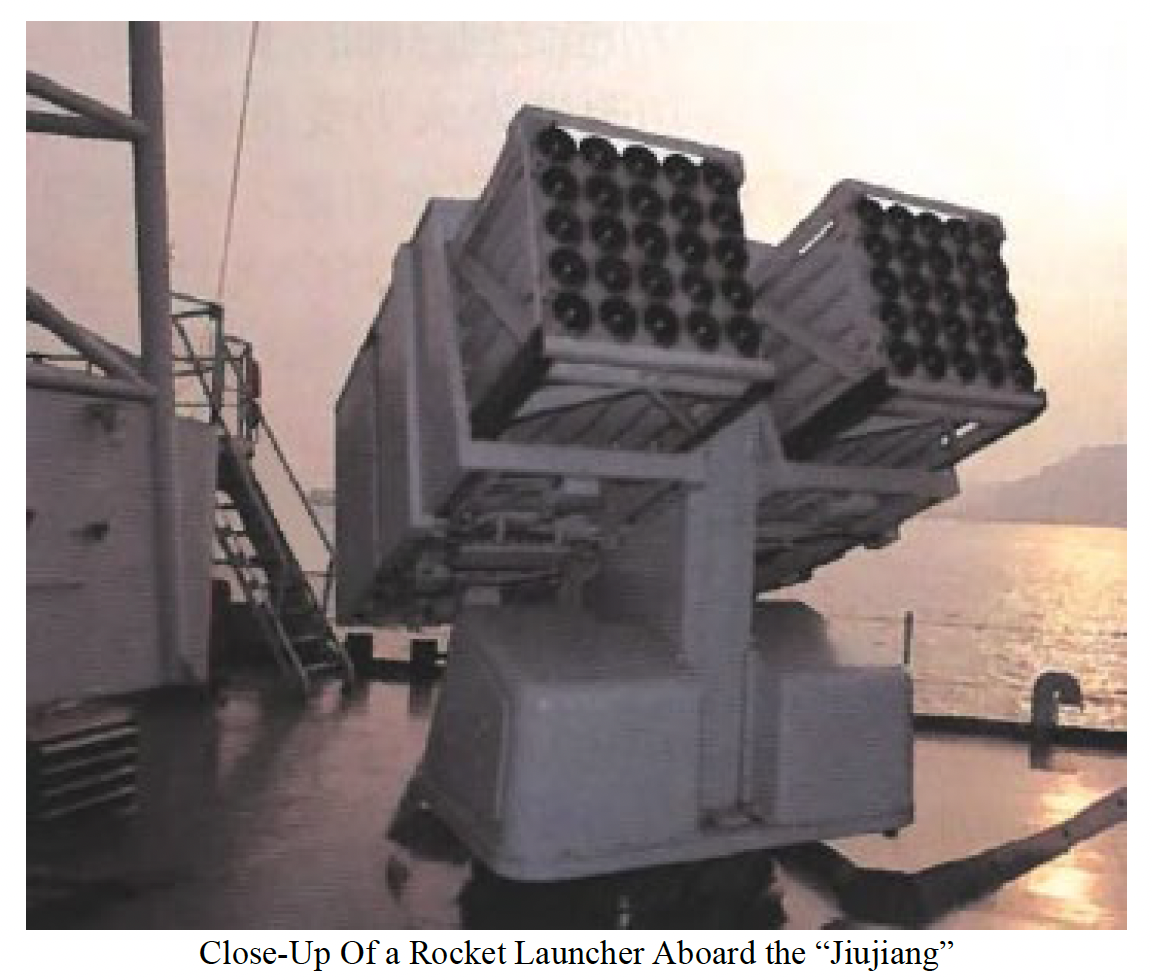
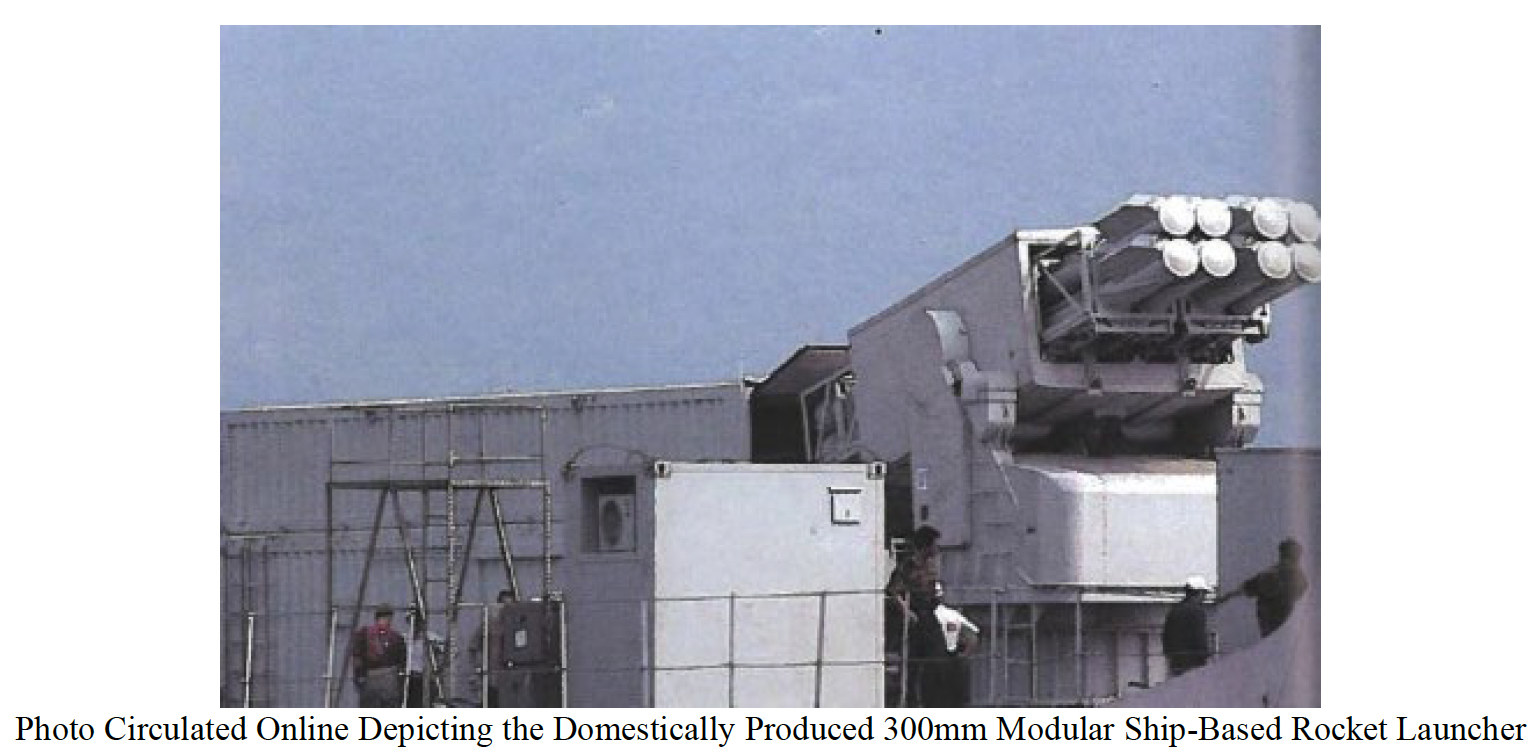
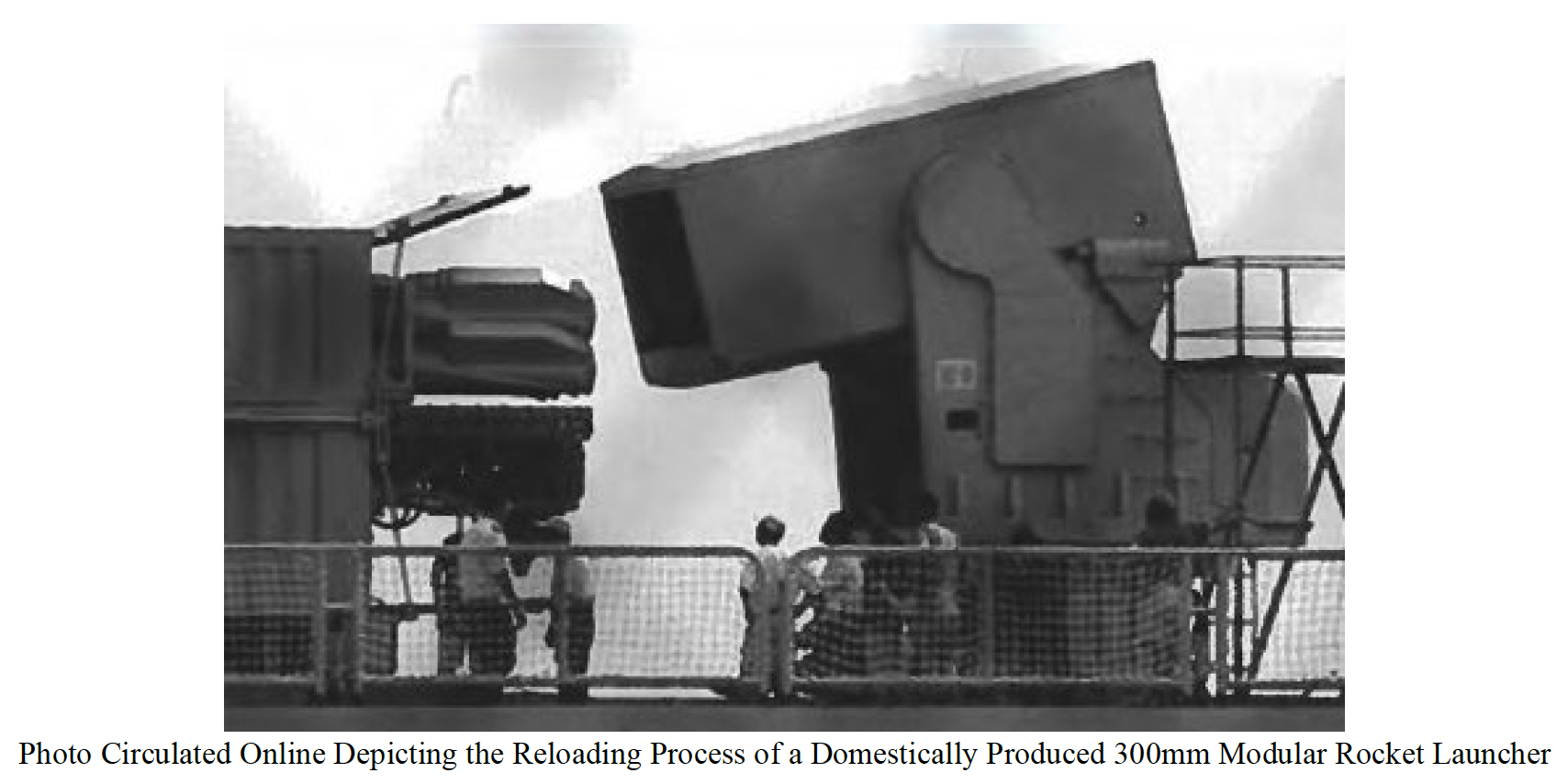
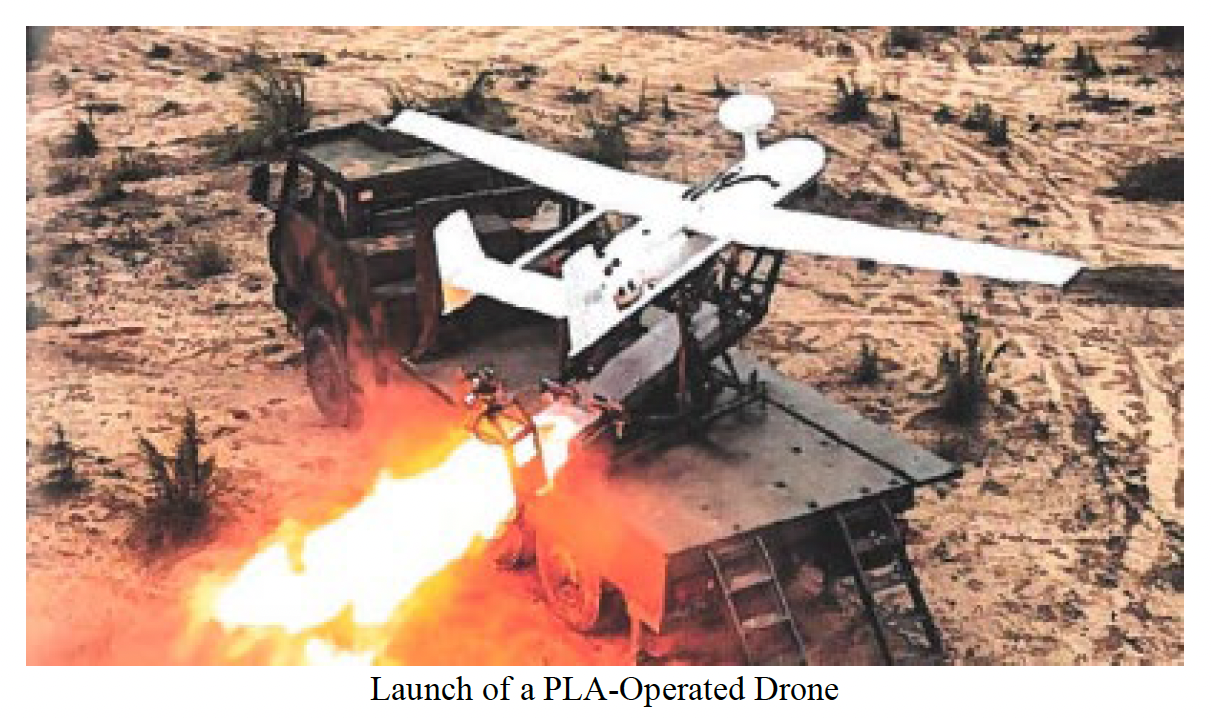
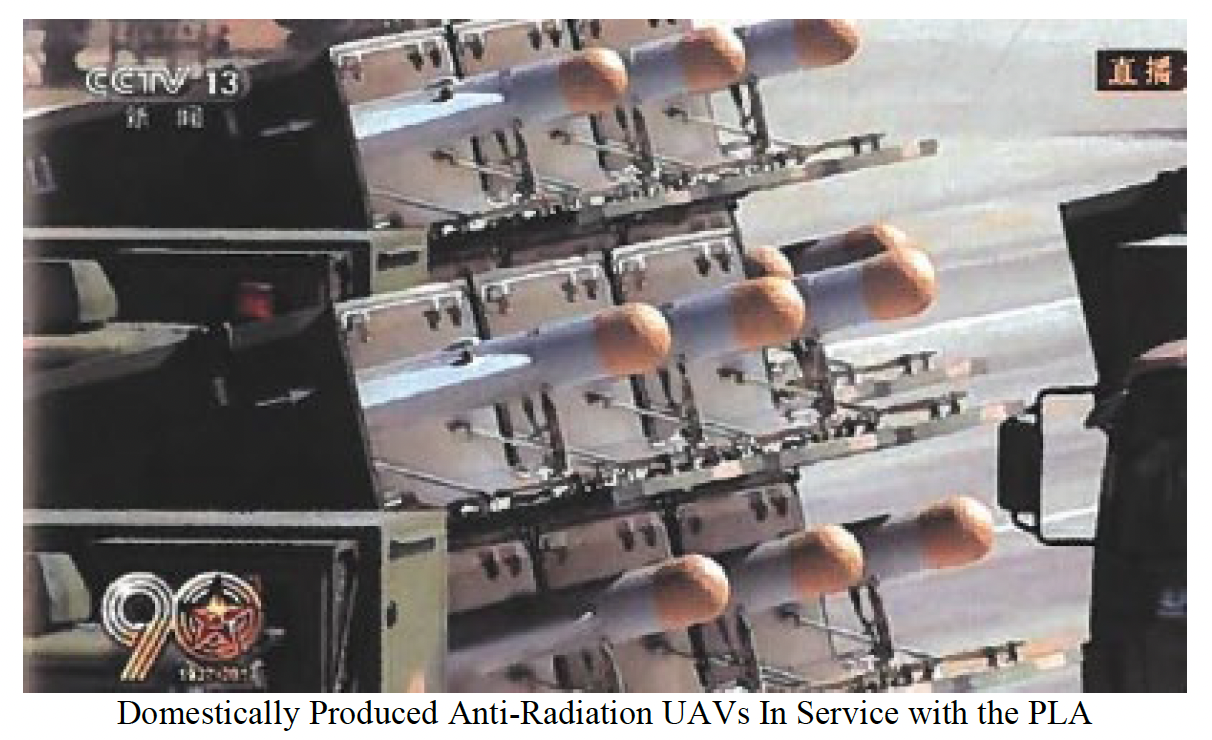
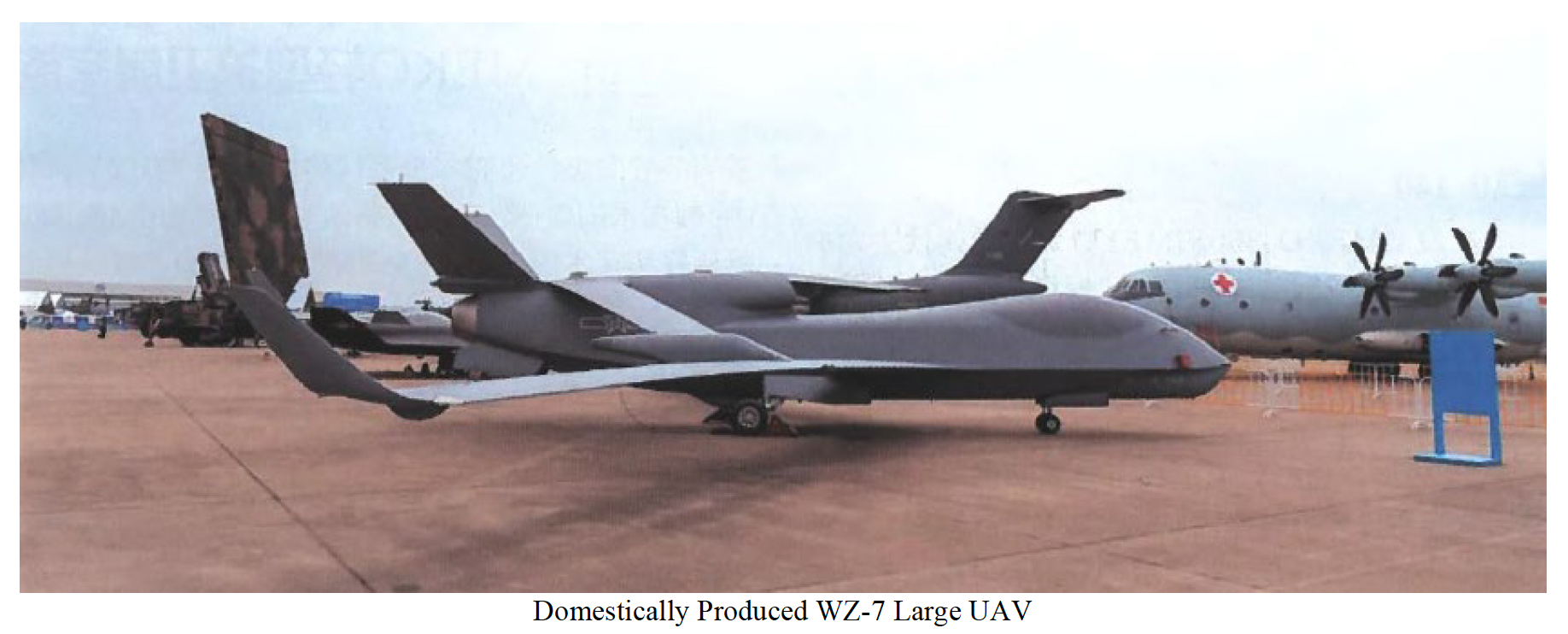
The author explores how the PLA might address this challenge through a combination of platforms and weapons, including unmanned systems to locate and strike emerging targets and modular rocket launchers that could be installed aboard civilian vessels to provide additional firepower support.
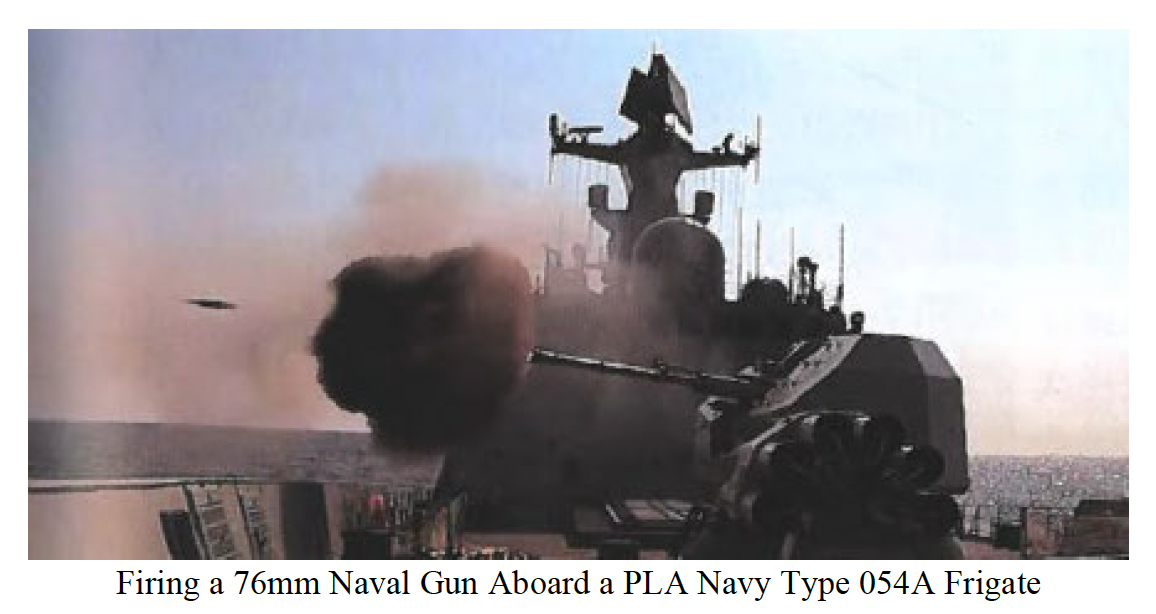
The author also suggests PLAN surface combatants have a key limitation.
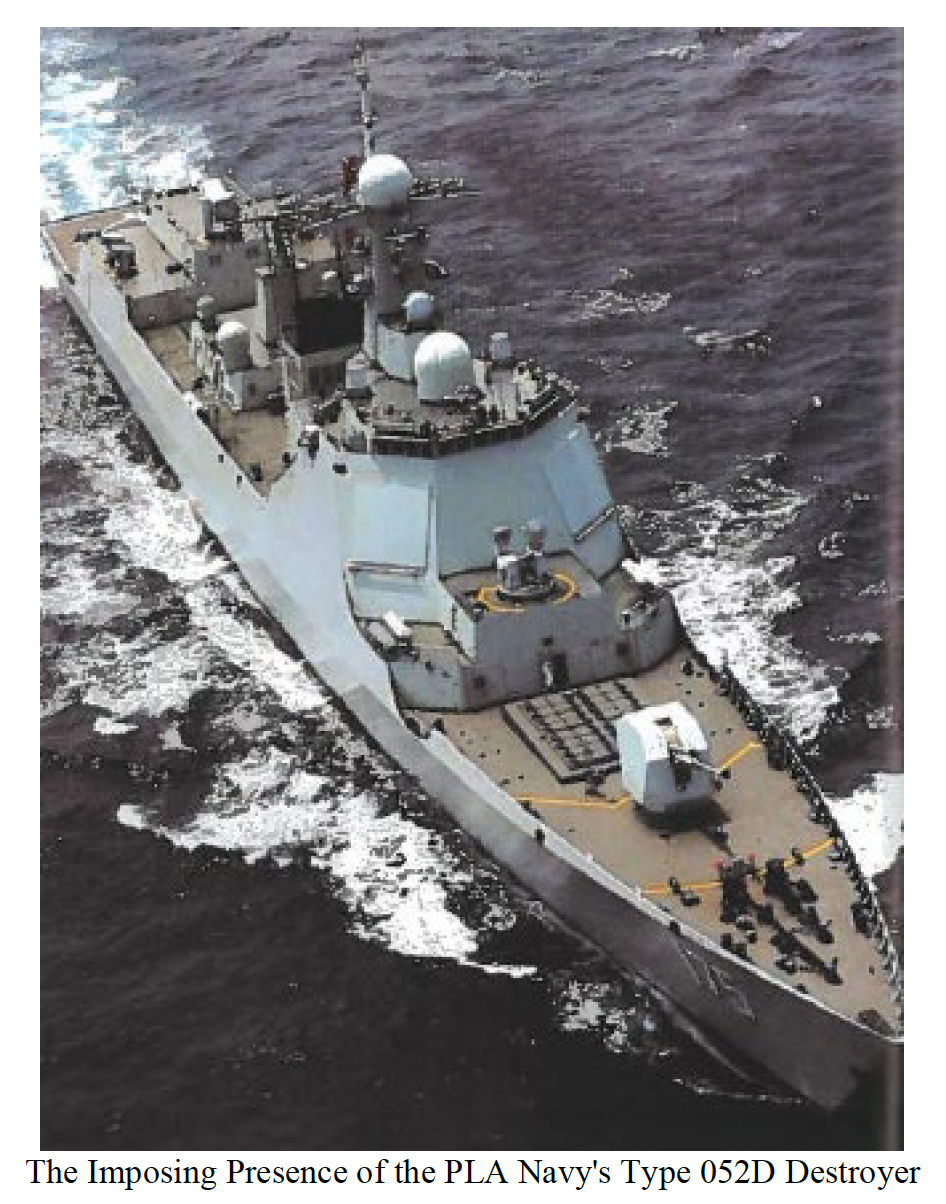
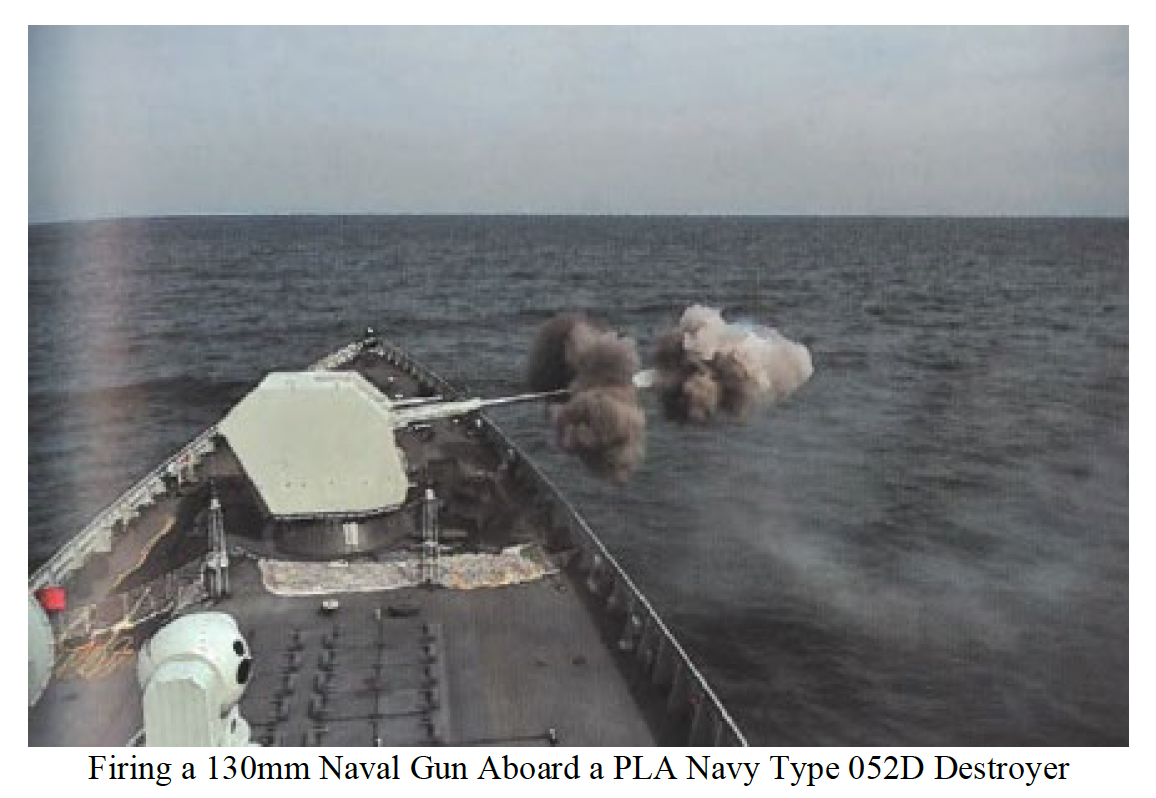
Destroyers and frigates escorting amphibious forces must prioritize air defense against long-range missile threats, limiting their capacity to carry land-attack missiles. The author therefore argues for longer-range, more responsive fire-support systems that can engage targets ashore without exposing PLAN combatants to Taiwan’s coastal defenses.
This translation will be of interest to readers who seek to better understand how PRC authors conceptualize the challenges of sustaining fires, suppressing Taiwan’s defenses, and supporting an amphibious landing.