China Maritime Report #55—“Loading the Well Deck: The PLA Navy’s Maturing Role in Projecting Joint Ground Forces”
Joshua Arostegui, Loading the Well Deck: The PLA Navy’s Maturing Role in Projecting Joint Ground Forces, China Maritime Report 55 (Newport, RI: Naval War College China Maritime Studies Institute, 24 June 2026).
CLICK HERE TO DOWNLOAD A CACHED COPY.
From CMSI Director Christopher Sharman:
China PLA Watchers: Can the PLA project joint combat power across Southeast Asia and Africa without building a network of military bases?
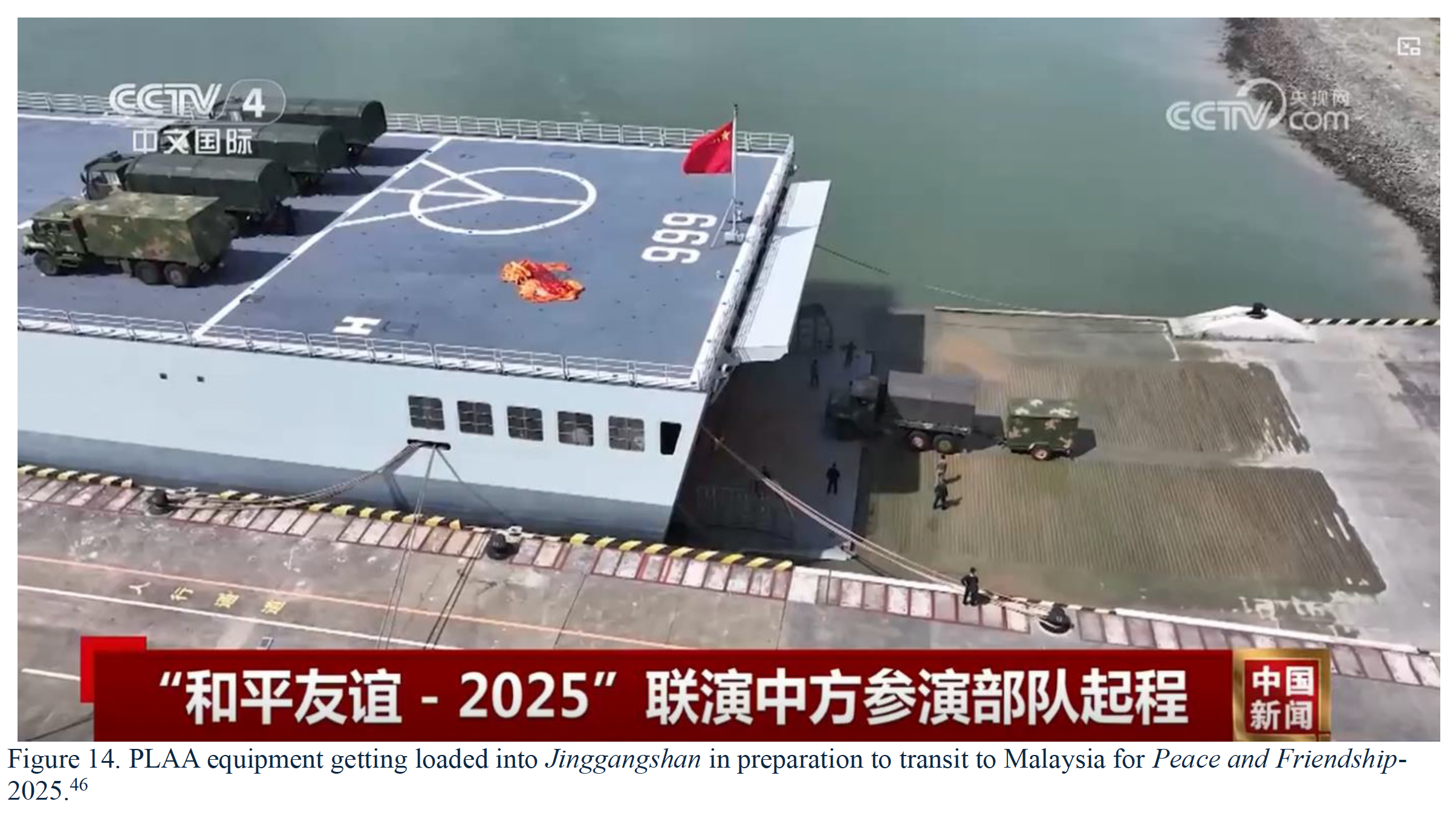
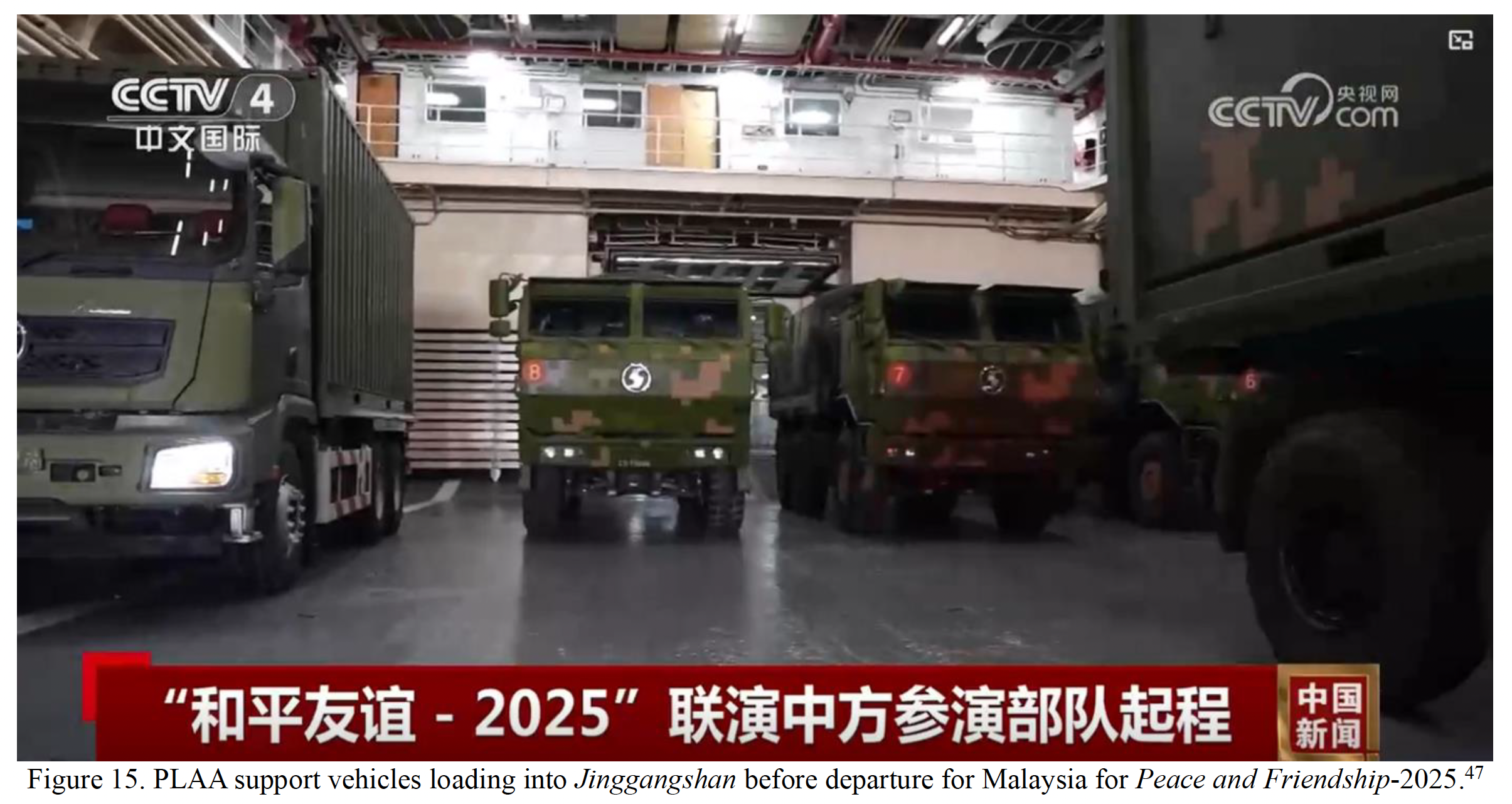
CMSI’s latest China Maritime Report (CMR), “Loading the Well Deck: The PLA Navy’s Maturing Role in Projecting Joint Ground Forces,” examines the untold story of the growing ability of the PLA Navy (PLAN) to transport, deploy, and sustain PLA Army (PLAA) forces well beyond the First Island Chain.
Drawing on a detailed examination of multinational exercises conducted between 2023 and 2025, this report shows how Beijing is transforming routine overseas engagements into laboratories for expeditionary warfare.
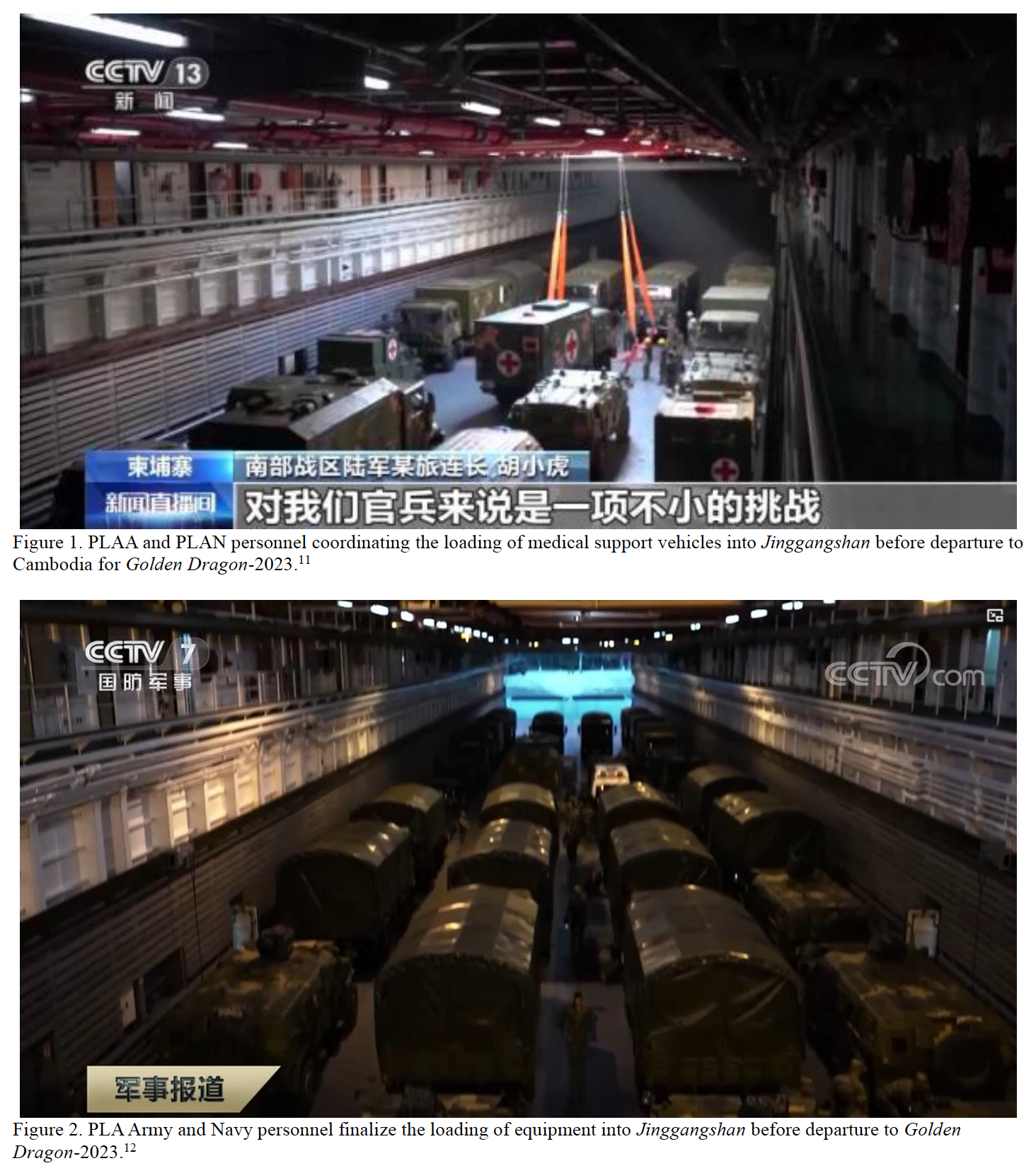
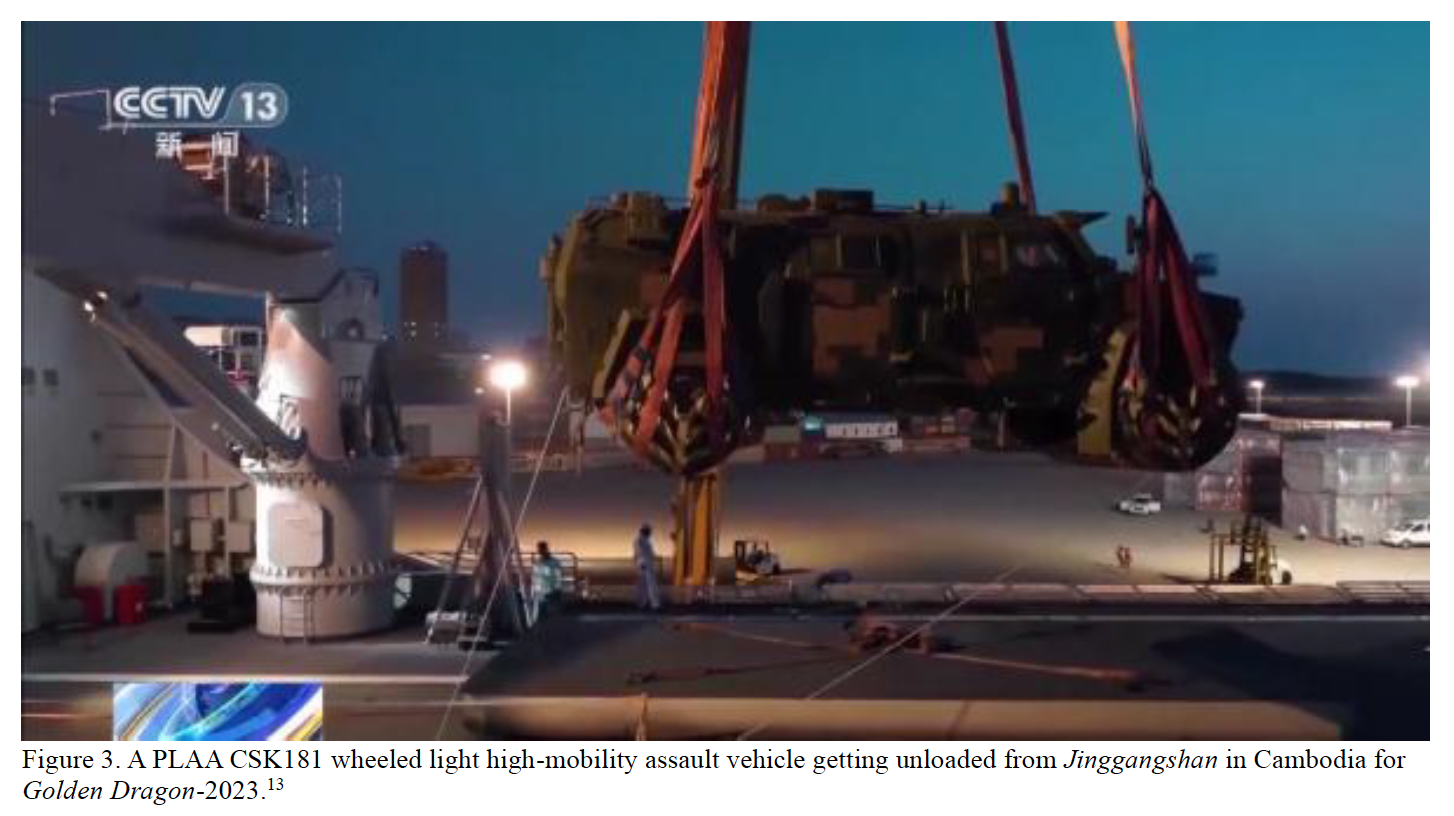
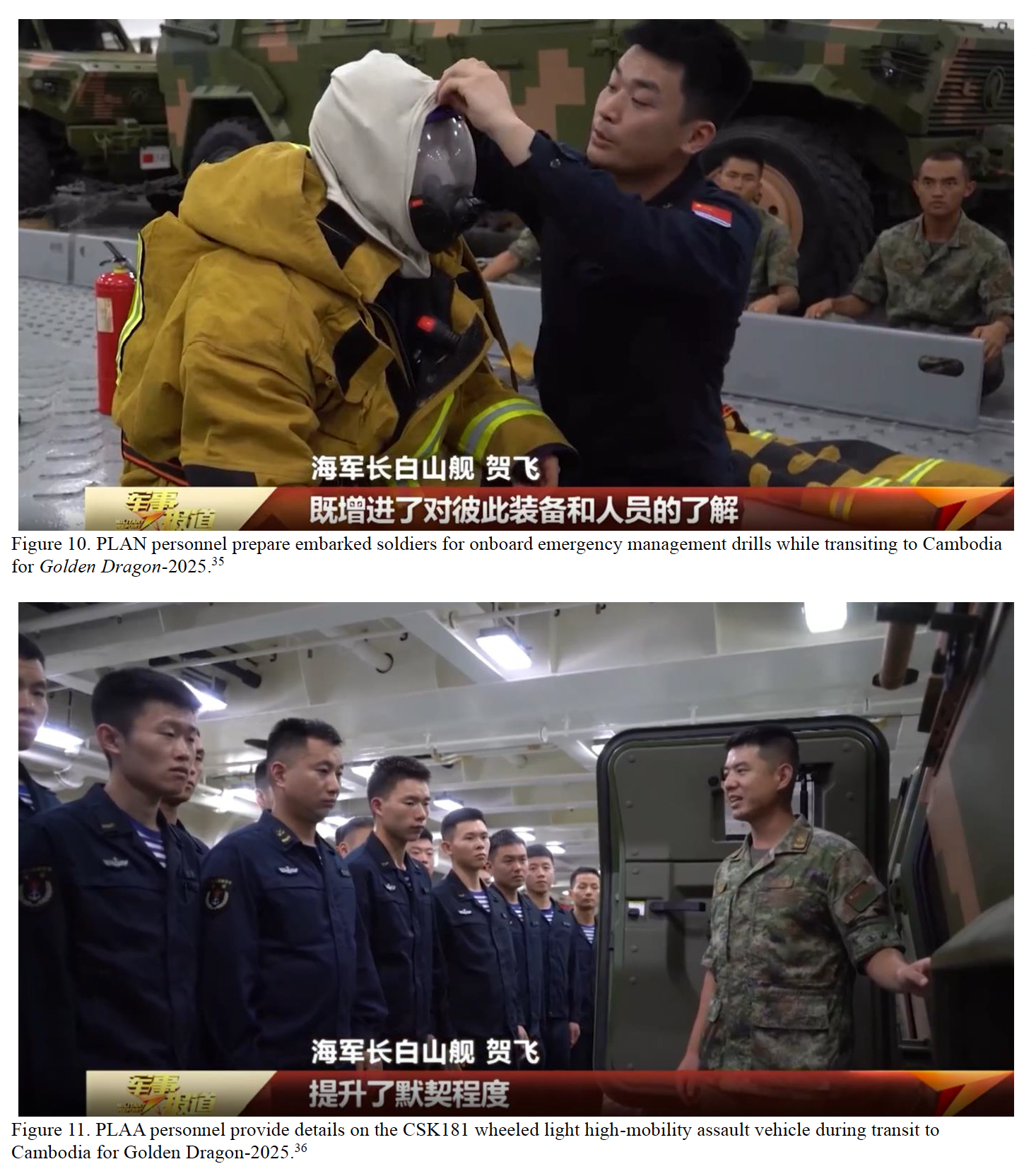
At the center of this effort is the Type 071/YUZHAO LPD, which has evolved into a test platform for loading heavy ground forces, refining joint logistics, and validating the command relationships necessary for such operations.
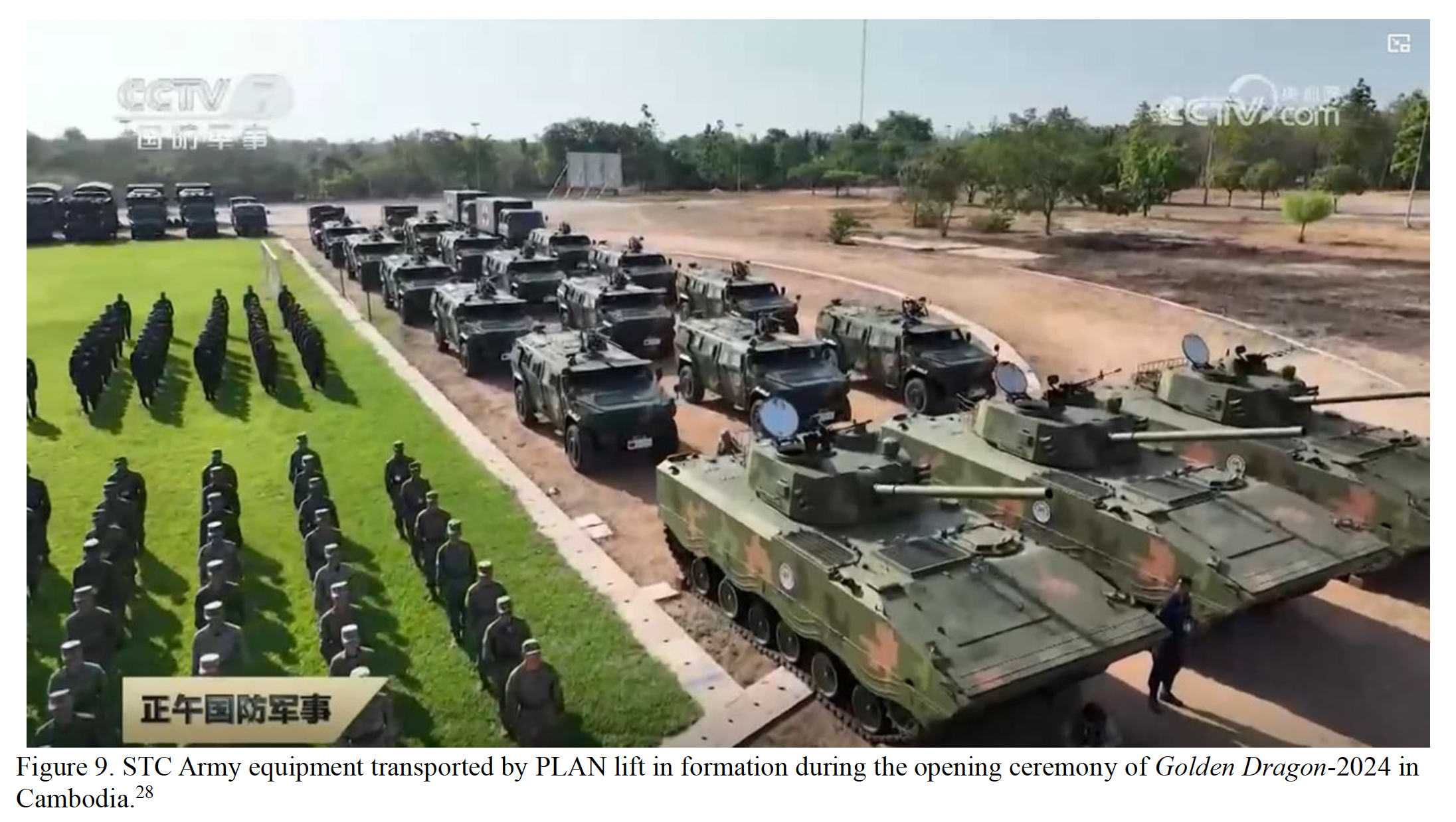
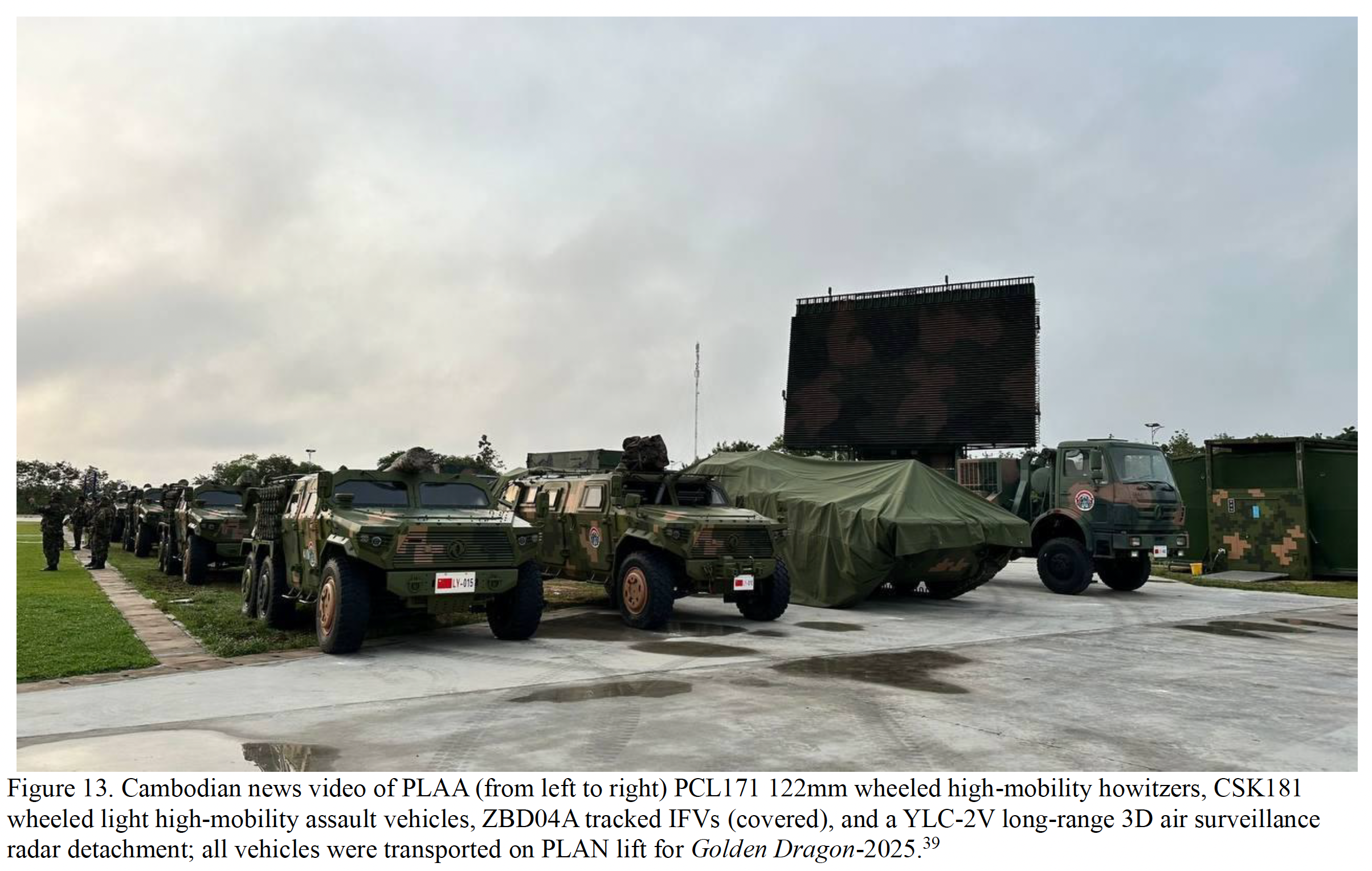
What emerges is evidence that the PLAN is increasingly comfortable moving PLAA armored vehicles, artillery, engineers, and support units across long distances.
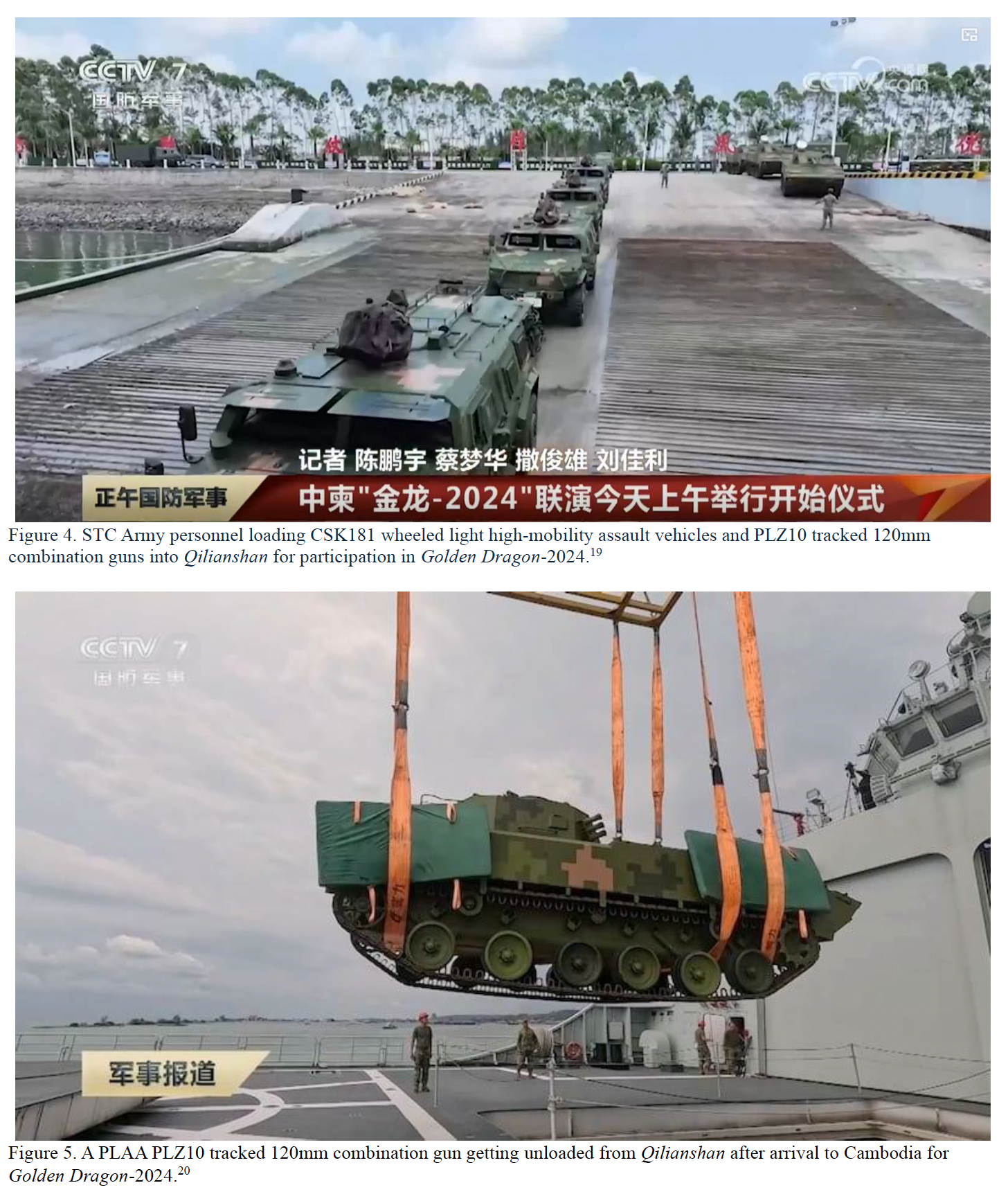
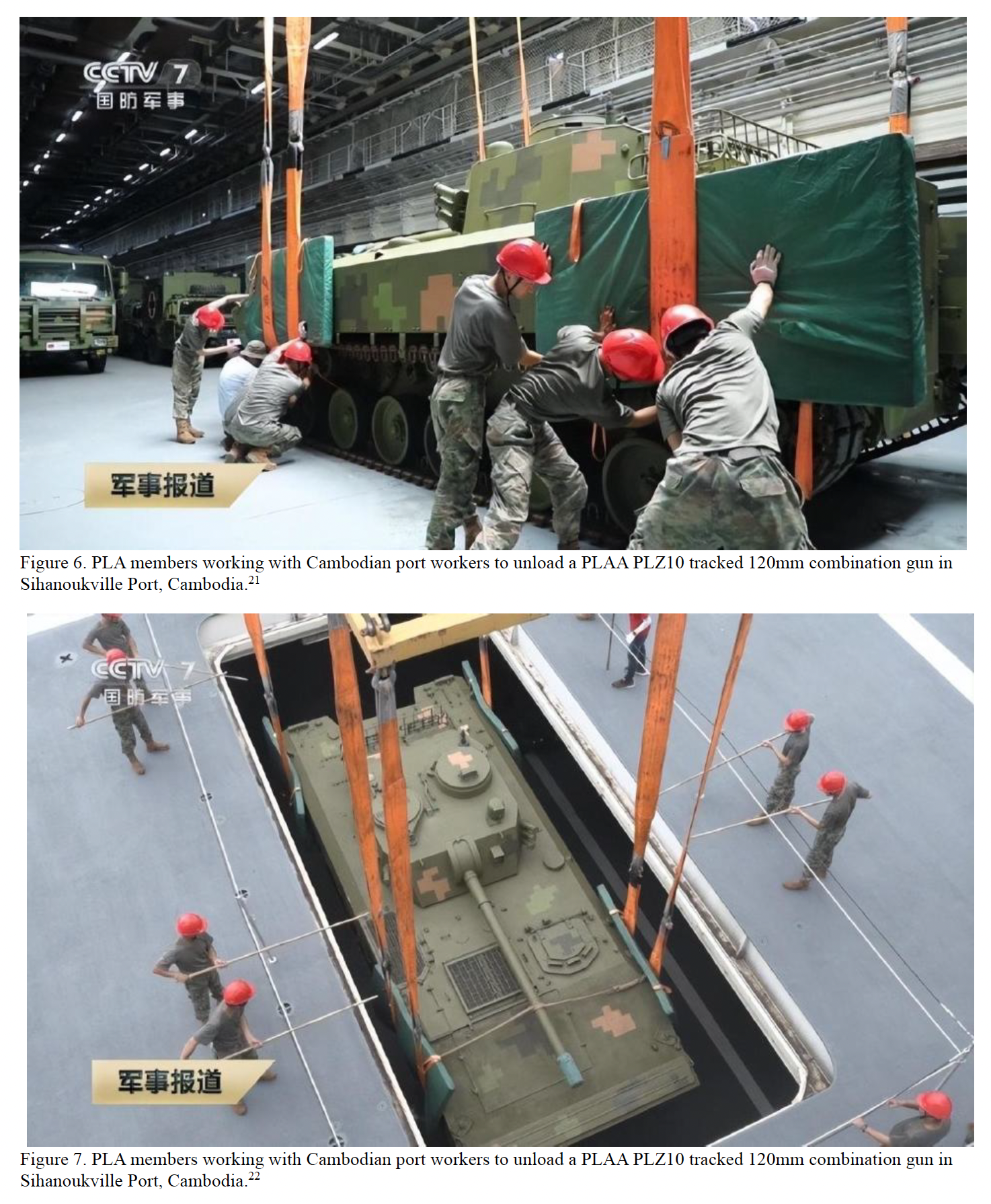
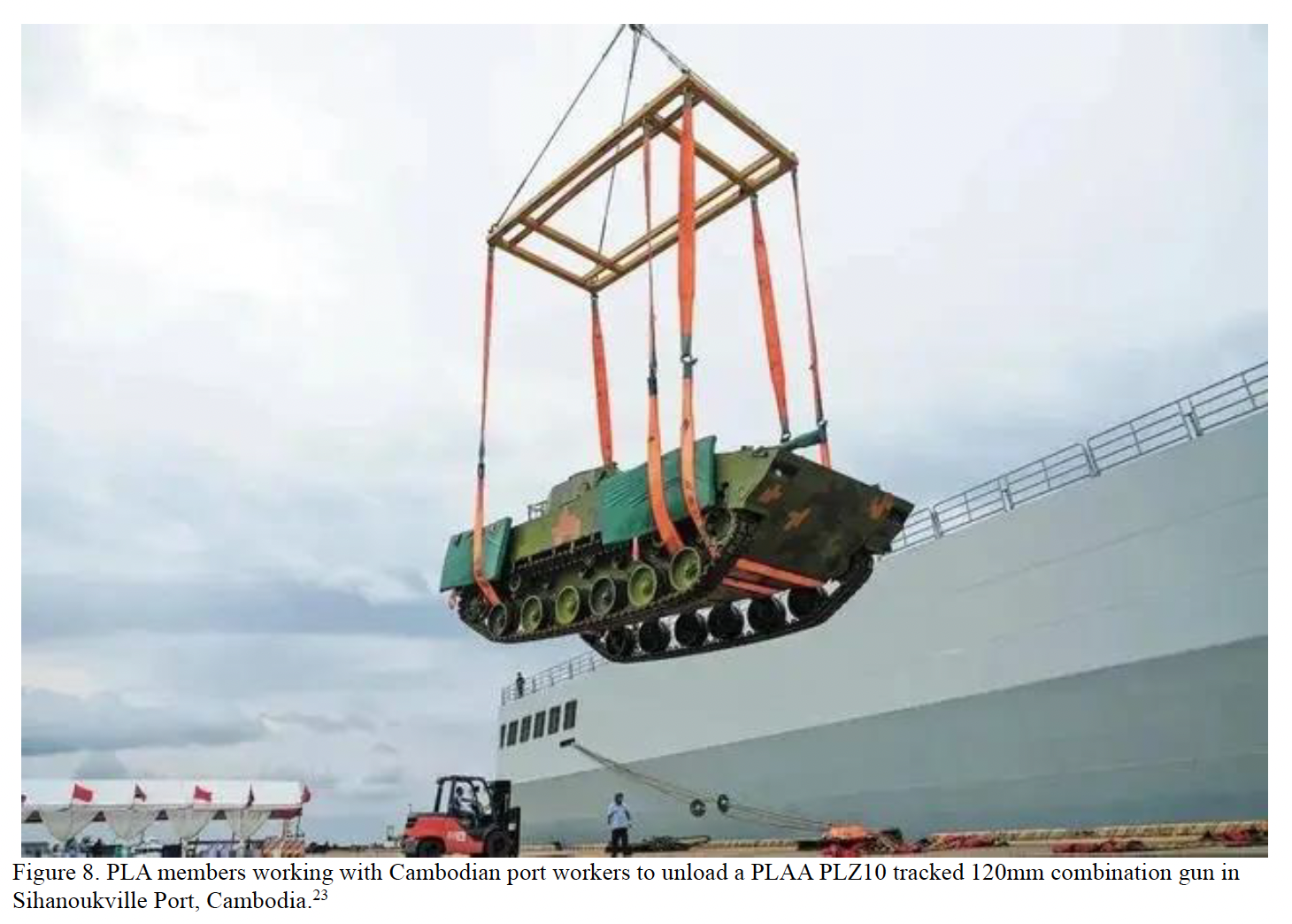
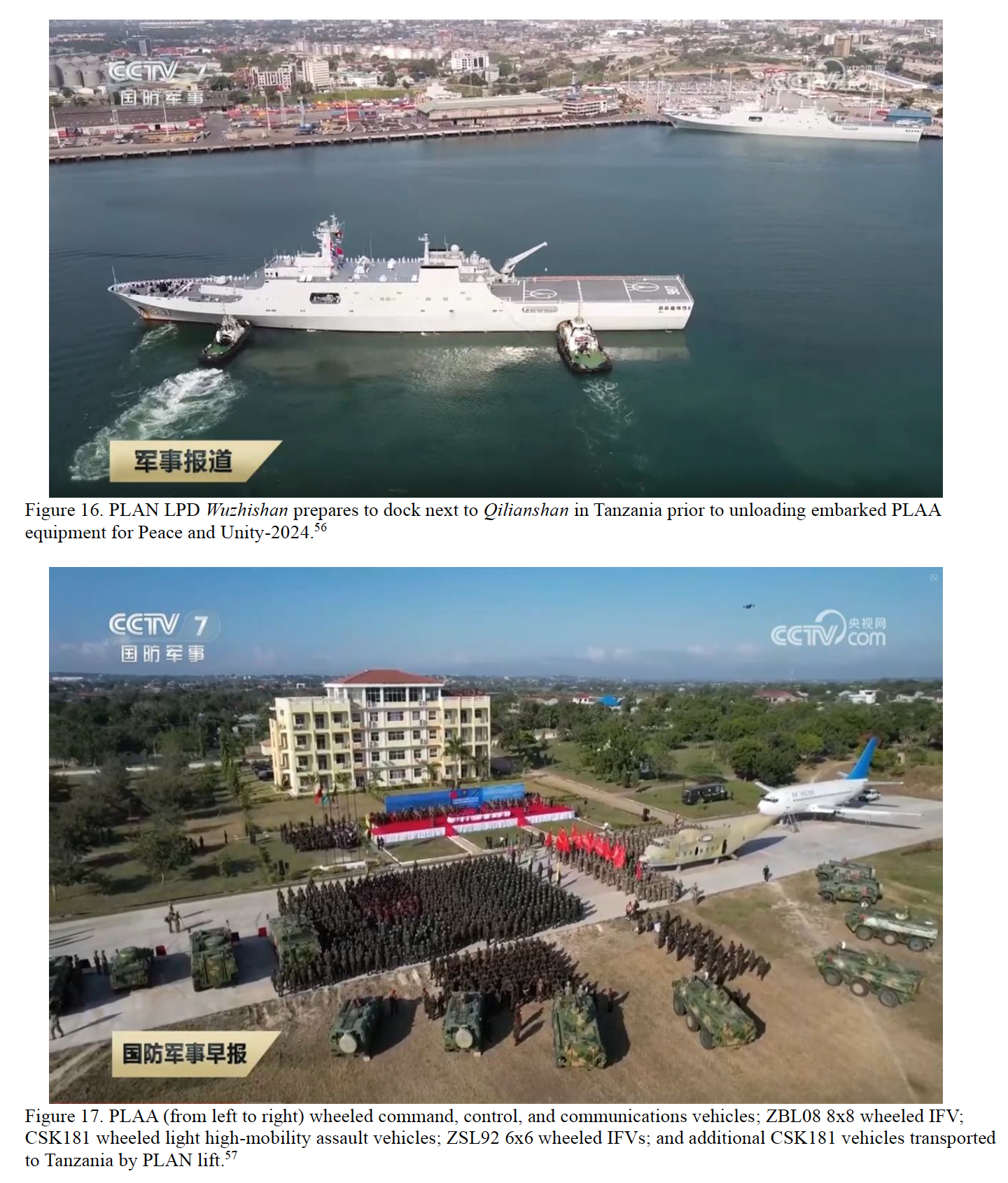
The report also explores China’s emerging model of “access without basing.” The PLA appears to be developing the ability to deploy combat power to foreign commercial ports using local infrastructure and stevedore services to support PLA deployments across Southeast Asia and to Africa.
These developments are rooted in Xi Jinping’s 2015 directive that the PLAA expand beyond its traditional role as a force focused on China’s borders and prepare to protect the PRC’s overseas strategic interests.
This report demonstrates, the PLAN’s growing role in transporting and enabling army forces suggests that PLA joint expeditionary capabilities beyond the First Island Chain are no longer a future aspiration—they are an emerging operational reality.
Check out the graphics included in the report.
The report’s author is Joshua Arostegui, who serves as chair of China studies and research director of the U.S. Army War College’s China Landpower Studies Center – CMSI’s counterpart at The United States Army War College.
CMSI appreciates Mr. Arostegui’s valuable contribution to the body of CMSI publications.
About the Author
Joshua Arostegui is the Chair of China Studies and research director of the U.S. Army War College’s China Landpower Studies Center. His primary research topics include Chinese strategic landpower, People’s Liberation Army joint operations, and Indo-Pacific security affairs. Mr. Arostegui is also a chief warrant officer 5 in the U.S. Navy Reserve, where he serves as a flag adviser in the Information Warfare Community. The opinions and views expressed in this report are those of the author alone and do not necessarily represent those of the U.S. Government, U.S. Department of War or its components, to include the Department of the Navy or the U.S. Naval War College.
Main Findings
- Since 2023, the People’s Liberation Army (PLA) has established an annualized rhythm of loading PLA Army (PLAA) combat, engineering, and support units onto PLA Navy (PLAN) amphibious ships for international exercises. This integration signals a maturation in Chinese expeditionary logistics, providing Beijing with the proven framework to project sustained, multi-domain combat mass well beyond its regional periphery.
- Overseas military exercises in locations like Cambodia, Malaysia, and Tanzania serve as vital proving grounds for the PLA to stress-test complex port embarkation, loading, and well-deck management. The successful deployment of PLAA ground forces via PLAN lift proves that the multi-branch coordination mechanisms intended by the 2016 military reforms are actively functioning.
- While the PLAN Marine Corps is a relatively light force, the PLAA possesses the heavy armor, indirect fires, and logistical trains required for sustained expeditionary power. By successfully deploying heavy assets like ZBD04A infantry fighting vehicles (IFV) and PCL171 howitzers from PLAN shipping, China demonstrates that its overseas power projection ceiling is not constrained by its marine corps.
- Delivering heavy ground packages enables the PLA to validate its “access without basing” logistics model using civilian port infrastructure across the Indo-Pacific and Africa.
- Transporting ground forces overseas allows the PLA to engage in critical army-to-army diplomacy with partner nations that possess dominant ground forces but lack substantial naval capabilities, helping secure theater access and build geopolitical influence.