CMSI Translation #35: “How to Leverage the ‘Butterfly Effect’ to Cause the Collapse of ‘Taiwan Independence’ Elements?”
Su Ming, “How to Leverage the ‘Butterfly Effect’ to Cause the Collapse of ‘Taiwan Independence’ Elements?” CMSI Translation 35 (Newport, RI: Naval War College China Maritime Studies Institute, 31 August 2026).
CLICK HERE TO DOWNLOAD A FULL-TEXT PDF.
From CMSI Director Captain Christopher Sharman, USN (Ret.):
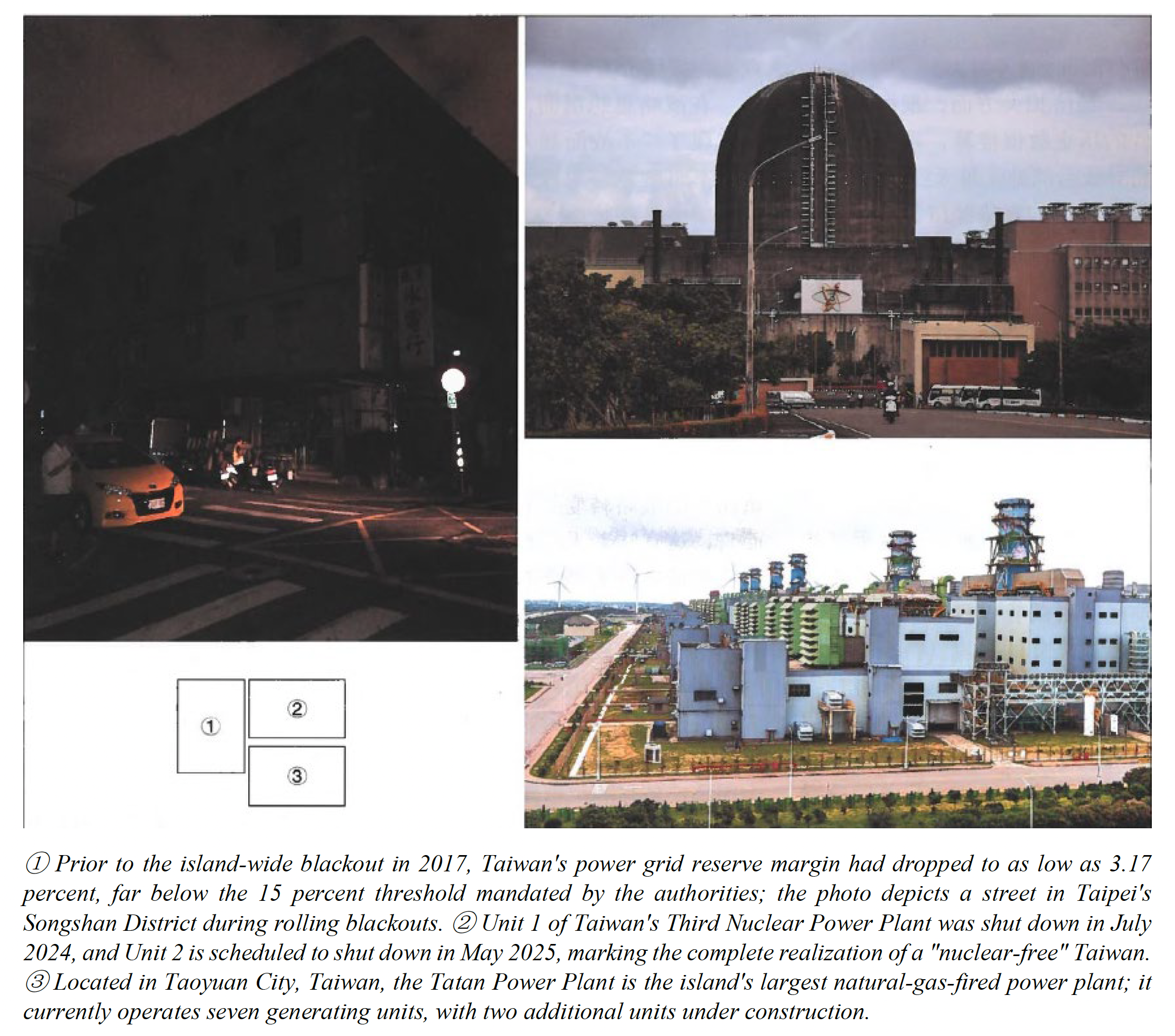
China-Taiwan Watchers: When is Taiwan’s electrical grid most vulnerable? When would an attack on its communications, water supply, or transportation networks have the greatest effect?
And why might an attack during a major holiday, election, or just before a typhoon be particularly advantageous?
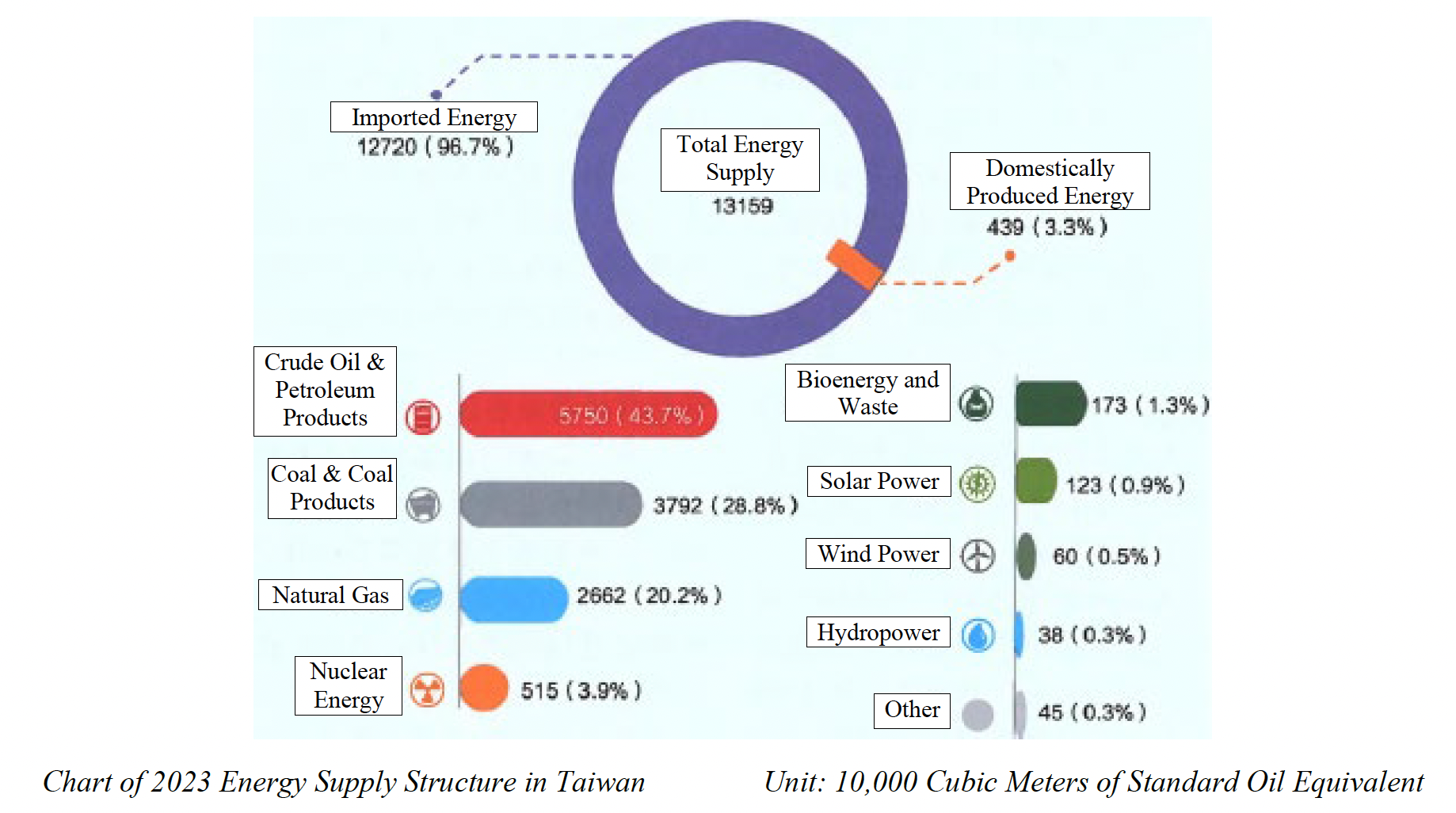
According to the author of “How to Leverage the ‘Butterfly Effect’ to Cause the Collapse of ‘Taiwan Independence’ Elements,” the answer to the questions above lies in the interconnectedness of Taiwan’s critical infrastructure.
A seemingly minor failure at the right location and the right time, the author argues, could trigger a nonlinear cascade of failures across multiple systems, ultimately producing effects far greater than the initial attack.
The CMSI translation of this article is worth your time.
It offers a fascinating look at how PRC analysts are applying systems theory, network science, modeling, and artificial intelligence to identify critical vulnerabilities and determine how disruptions might cascade across Taiwan’s power, communications, transportation, and water systems. The article describes this emerging concept as “urban collapse warfare”—an approach intended to achieve maximum strategic effect with minimal military investment and, in the author’s words, “subdue the enemy without fighting.”
Published in the PRC journal Naval & Merchant Ships in May 2025, the article goes well beyond describing infrastructure vulnerabilities.
It attempts to model how failures propagate through interconnected systems, examines how the timing of an attack could amplify its effects, and explores how AI might identify vulnerabilities and dynamically adjust attacks based on real-time system responses.
The article is particularly noteworthy because the journal is subordinate to China’s State Shipbuilding Corporation and is a feed to the PLA’s defense sector. Although the article is explicitly focused on Taiwan, its underlying premise raises a broader question: How vulnerable are highly interconnected societies when an adversary seeks not to destroy everything, but instead to identify the few points where a relatively small disruption could trigger a much larger systemic failure?
SELECTED TEXT:
Intelligent Tools for Designing Operational Concepts: Intelligent Agents Innovating Mechanisms for Victory
If a large model is likened to a machine, interacting via conversation is akin to a worker manually operating that machine. Although machine tools have significantly reduced human workloads, “manual operation” still entails challenges: demanding skill requirements for operators; difficulty in resolving complex, specialized tasks through conversation alone; difficulty in standardizing and reusing repetitive workflows; susceptibility to hallucinations; and the time- and labor-intensive nature of verifying results. To this end, the Department of Theoretical Innovation Research has proposed a technical roadmap for programming large models. The underlying concept of this technical approach is to use programs to drive large-scale models in executing complex, specialized tasks, effectively upgrading them from manual machine tools to computer numerical control (CNC) machine tools and, furthermore, integrating multiple CNC machine tools into a “production line” capable of complex workflows. This significantly enhances the capability, efficiency, and speed with which large models can address complex, specialized issues in the defense and military sectors, while also preventing or eliminating low-quality responses and “hallucinations” that fail to meet mission requirements. The result is a more user-friendly system that achieves true “domain-specific intelligence.”
We have already successfully developed a “combat scenario agent” using this technical approach (see: Naval & Merchant Ships official WeChat account post from 24 March). This article presents the latest results of this technical roadmap: the “Intelligent Agents Innovating Mechanisms for Victory.” This agent can be powered by various large models, including DeepSeek R1/V3, Tongyi Qianwen, and LLaMA.
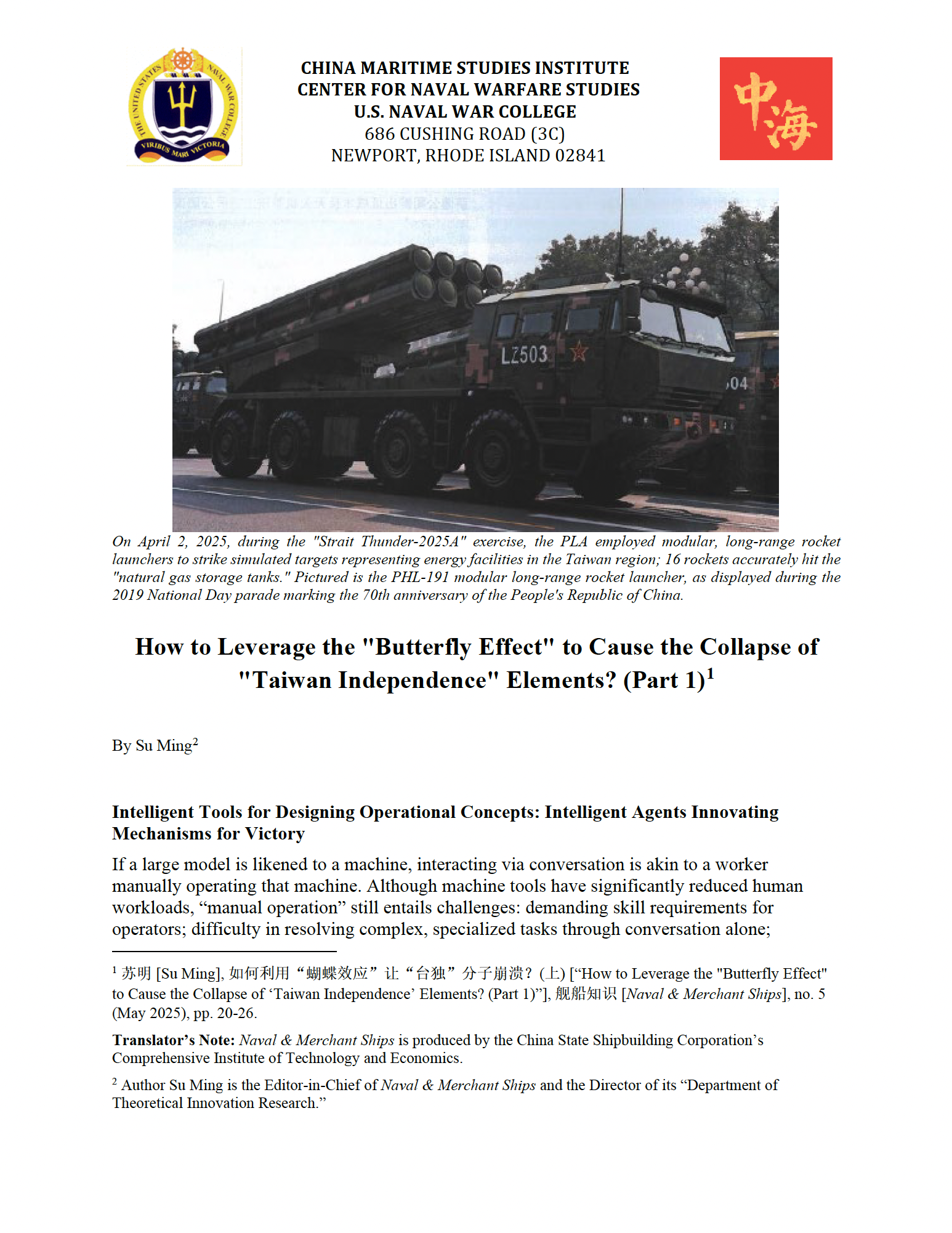
Drawing upon the operational concepts demonstrated in “Strait Thunder-2025A” exercise, we utilized the “Intelligent Agents Innovating Mechanisms for Victory” to conduct an in-depth analysis of the mechanisms for achieving victory. The intelligent agent first broke down the research task and analyzed the components individually; following deep and complex reasoning, it produced—in under seven minutes—innovative research findings exceeding 16,000 characters on the mechanisms for achieving victory, ultimately formulating the operational concept of “Urban Collapse Warfare.” The following content was automatically generated by the “Intelligent Agents Innovating Mechanisms for Victory.” Its views and inferences are based on publicly available information from the internet and may differ somewhat from actual circumstances. To view the content generation process, scan the QR code at the end of this text. … … …