CMSI Translation #37: “The Technical Evolution and Future Development of Chinese Navy’s Third-Generation Conventional Submarine”
Yin He, “The Technical Evolution and Future Development of Chinese Navy’s Third-Generation Conventional Submarine,” CMSI Translation 37 (Newport, RI: Naval War College China Maritime Studies Institute, 20 October 2026).
CLICK HERE TO DOWNLOAD A FULL-TEXT PDF.
From CMSI Director Captain Christopher Sharman, USN (Ret.):
What is the future of China’s conventional submarine fleet?
This is the central question addressed in the latest China Maritime Studies Institute (CMSI) translation, “The Technical Evolution and Future Development of Chinese Navy’s Third Generation Conventional Submarine.”
The article offers unusual insights into the capabilities, limitations, and future trajectory of the People’s Liberation Army Navy’s (PLAN) conventional submarine fleet. It will be of particular interest to anyone following China’s undersea warfare capabilities.
From Quantitative Change to Qualitative Transformation
Authored by 银河 (Yin He), the article appeared in the March 2026 issue of the PRC navalist publication Shipborne Weapons. Although the journal is not an official PLA publication, the author uses a pseudonym and appears well informed of PLAN requirements.
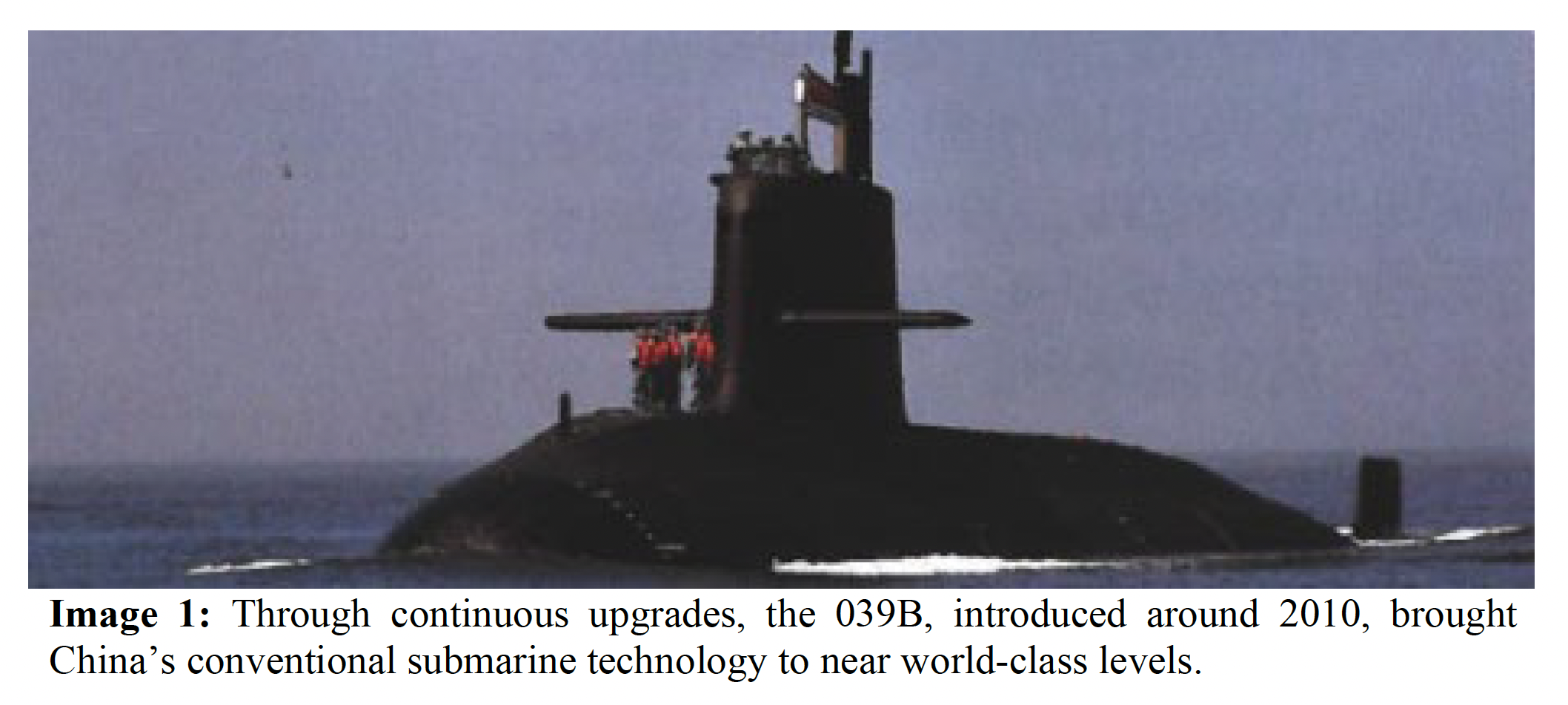
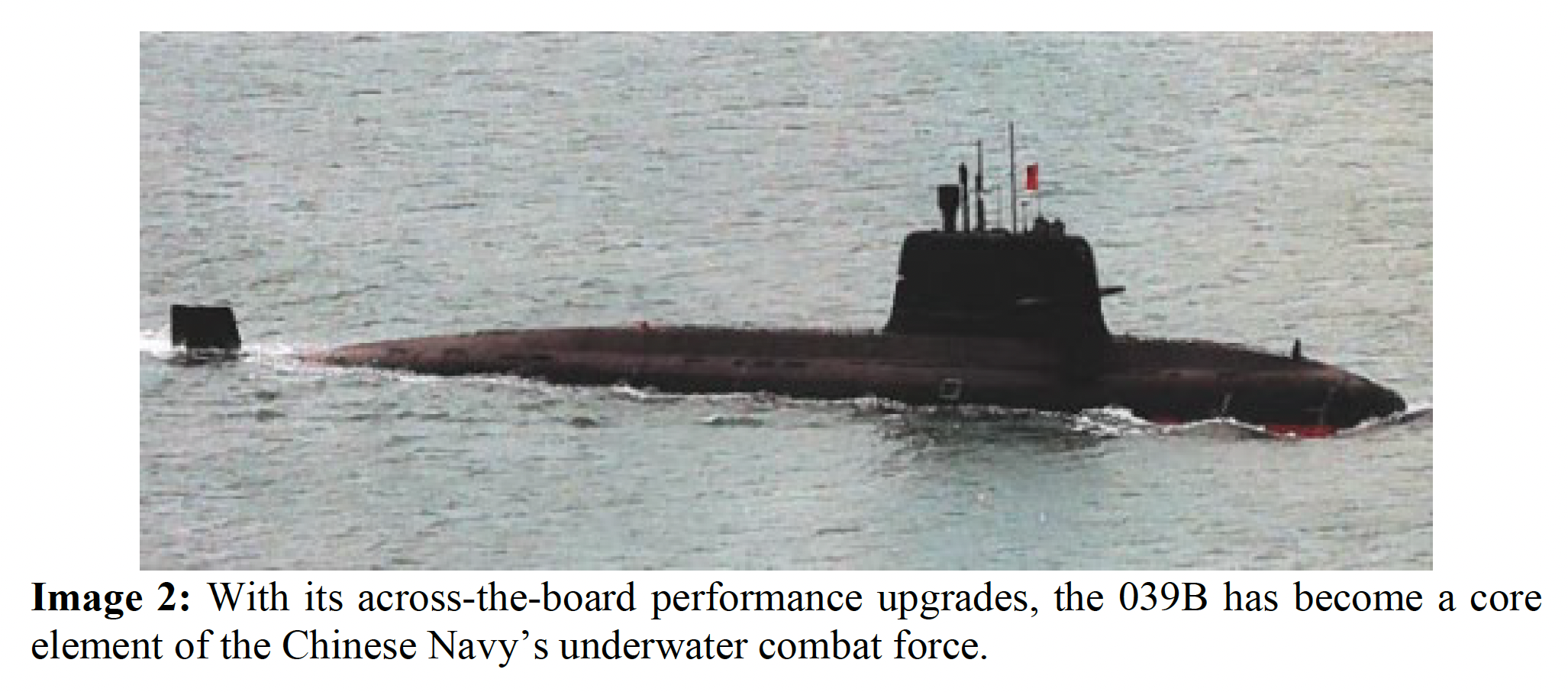
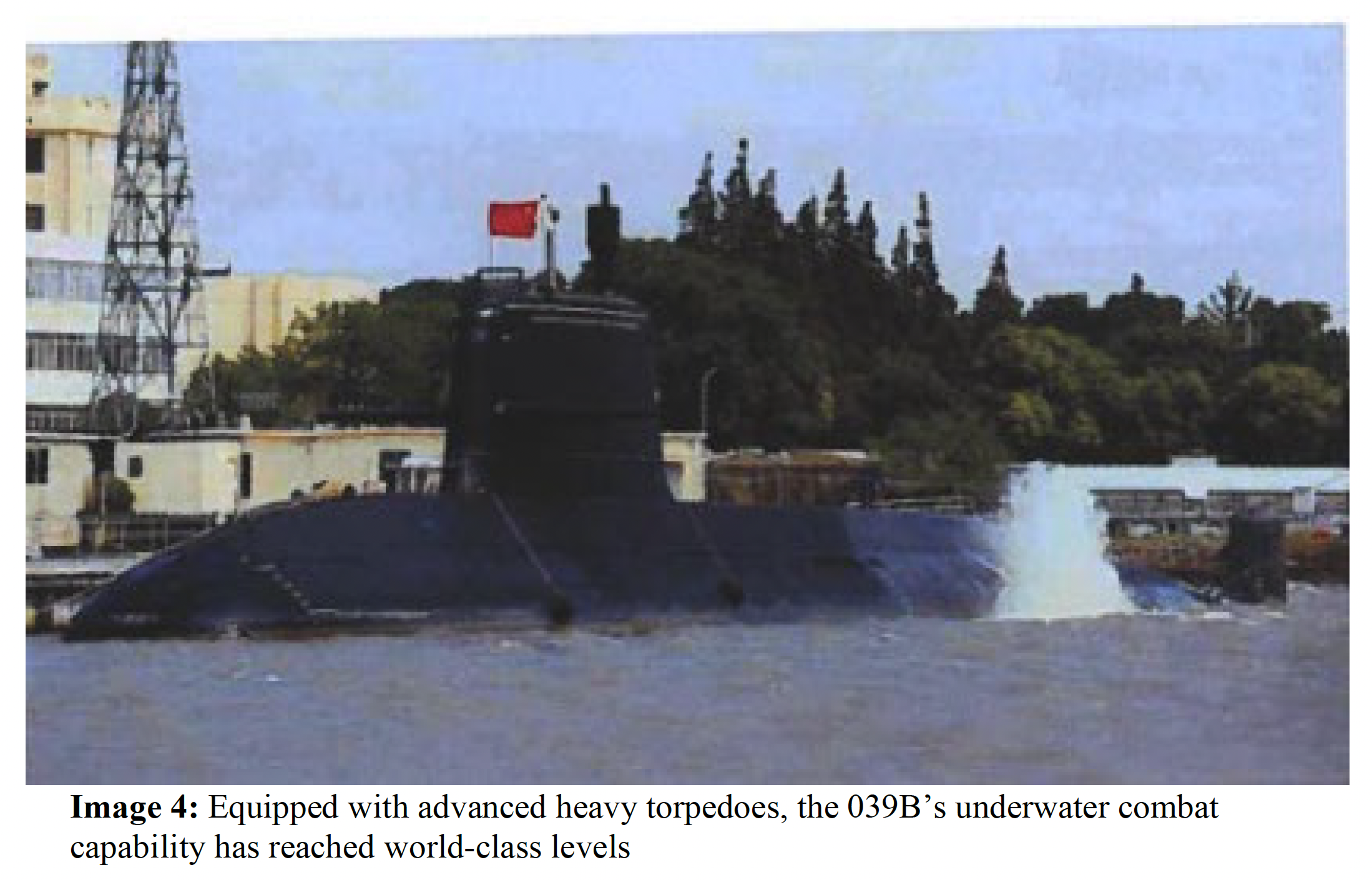
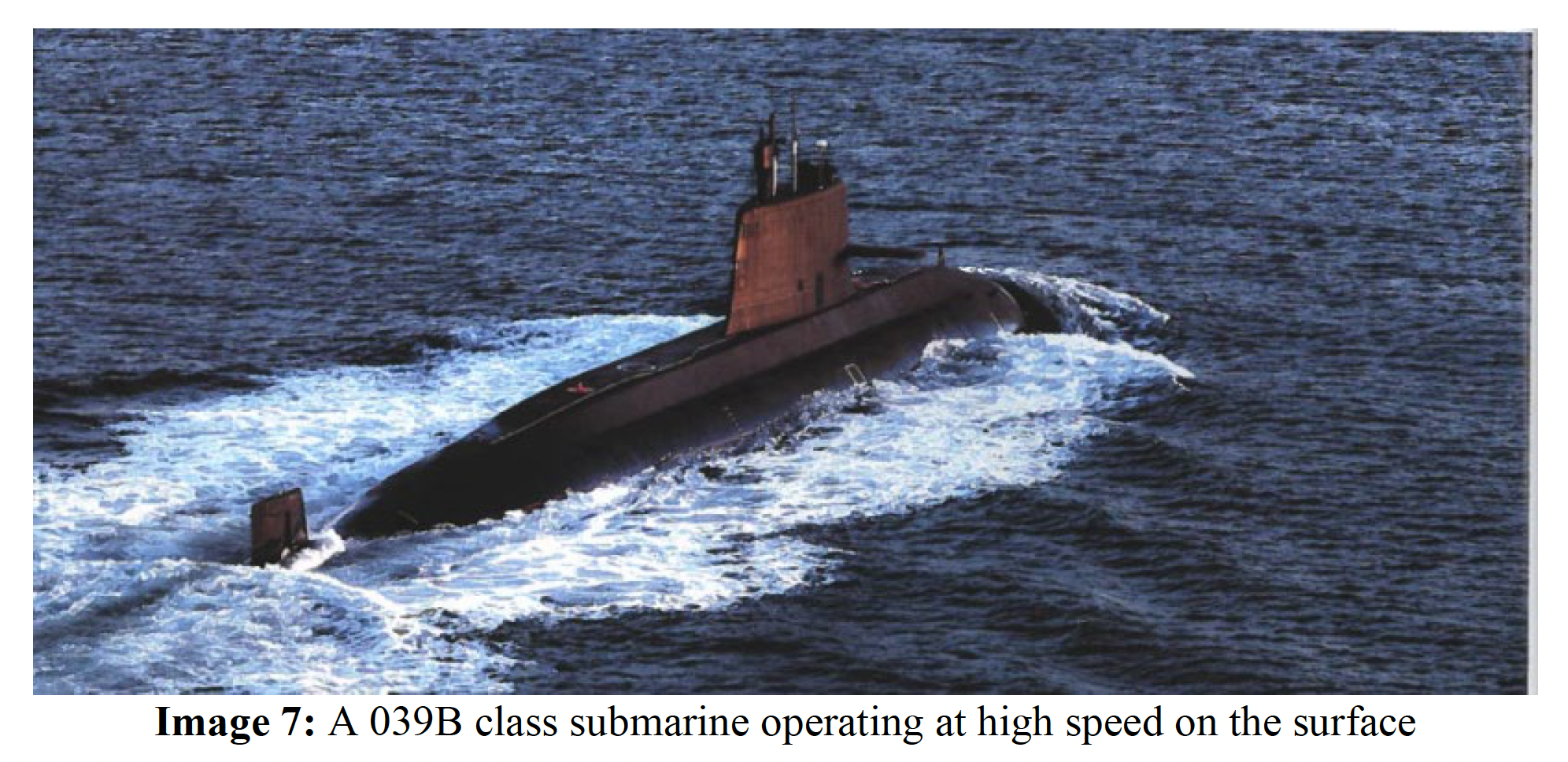
Several details about the Type 039 (Yuan-class submarine) in the article are informative:
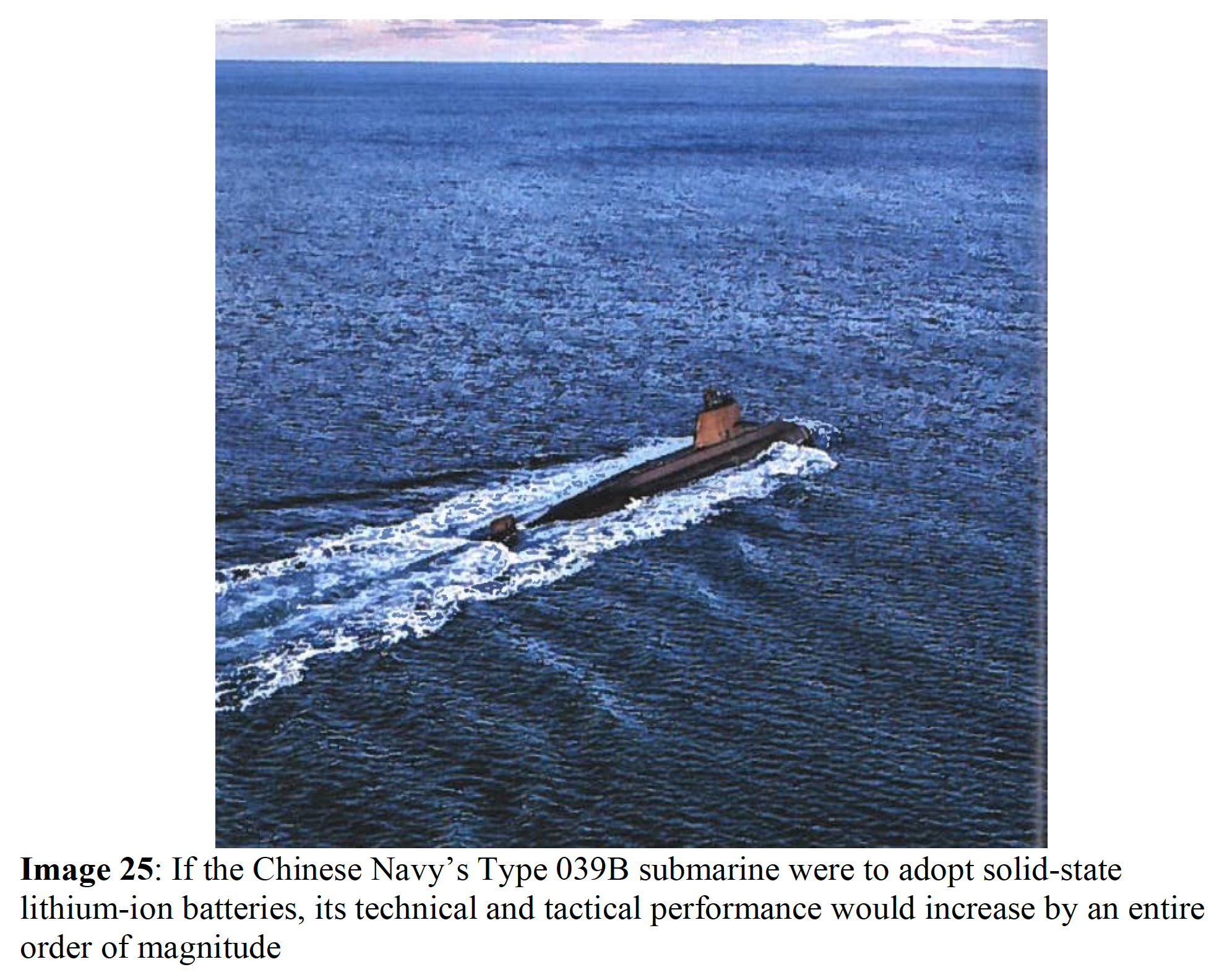
- Type 039B improvements: The author details engineering modifications that improved the Type 039B over the Type 039A, including advances in propulsion, acoustic quieting, and overall performance.
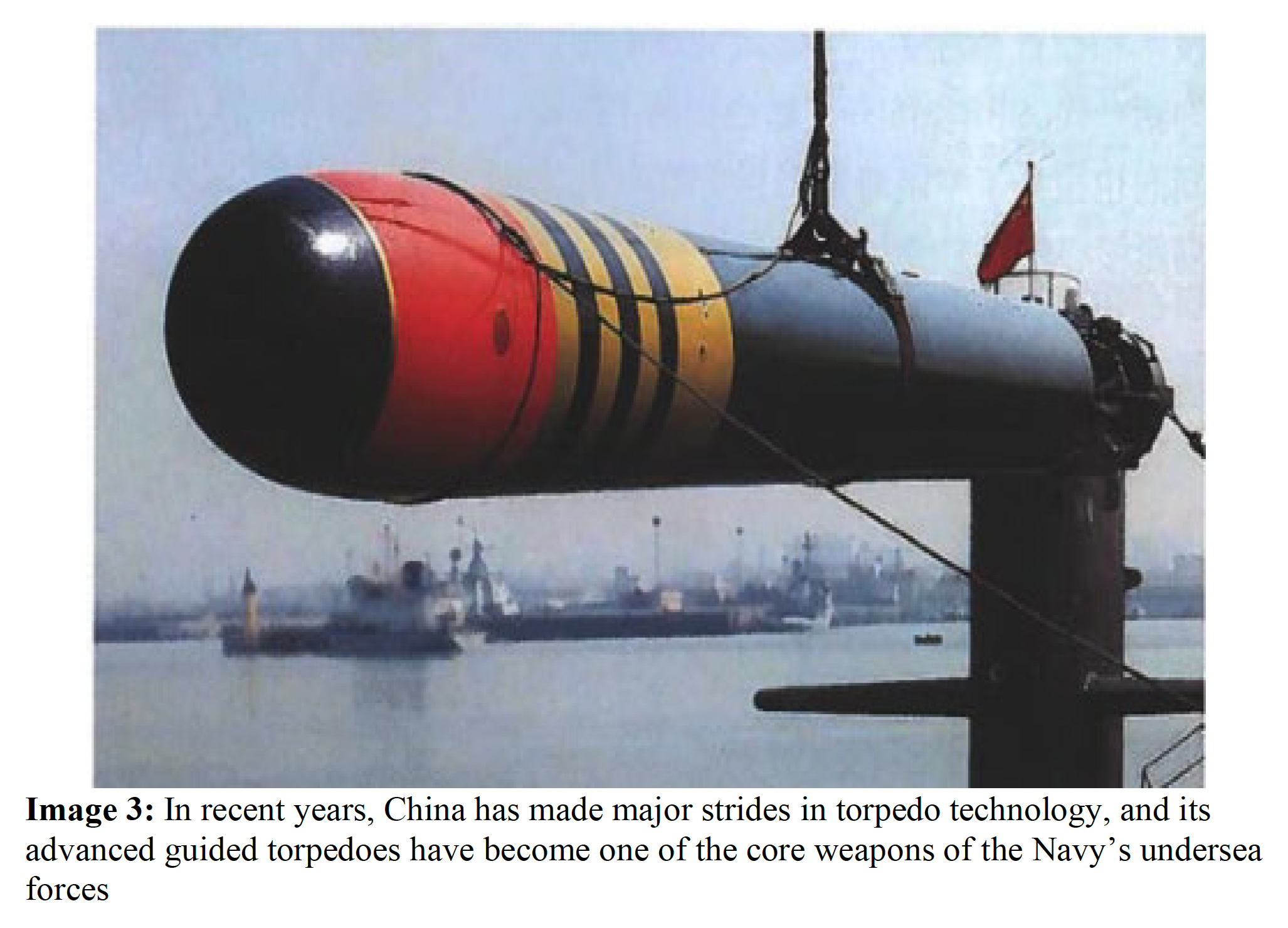
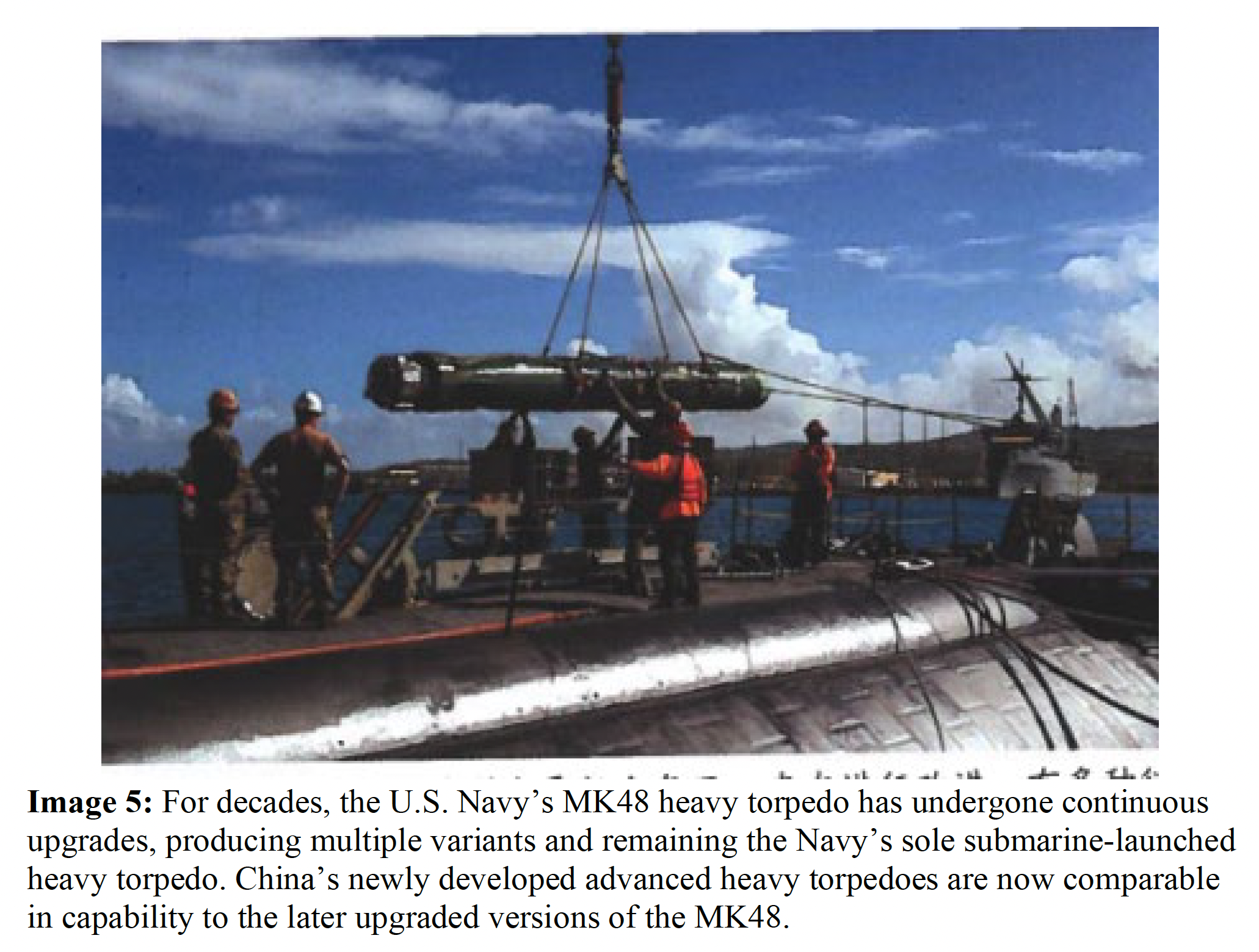
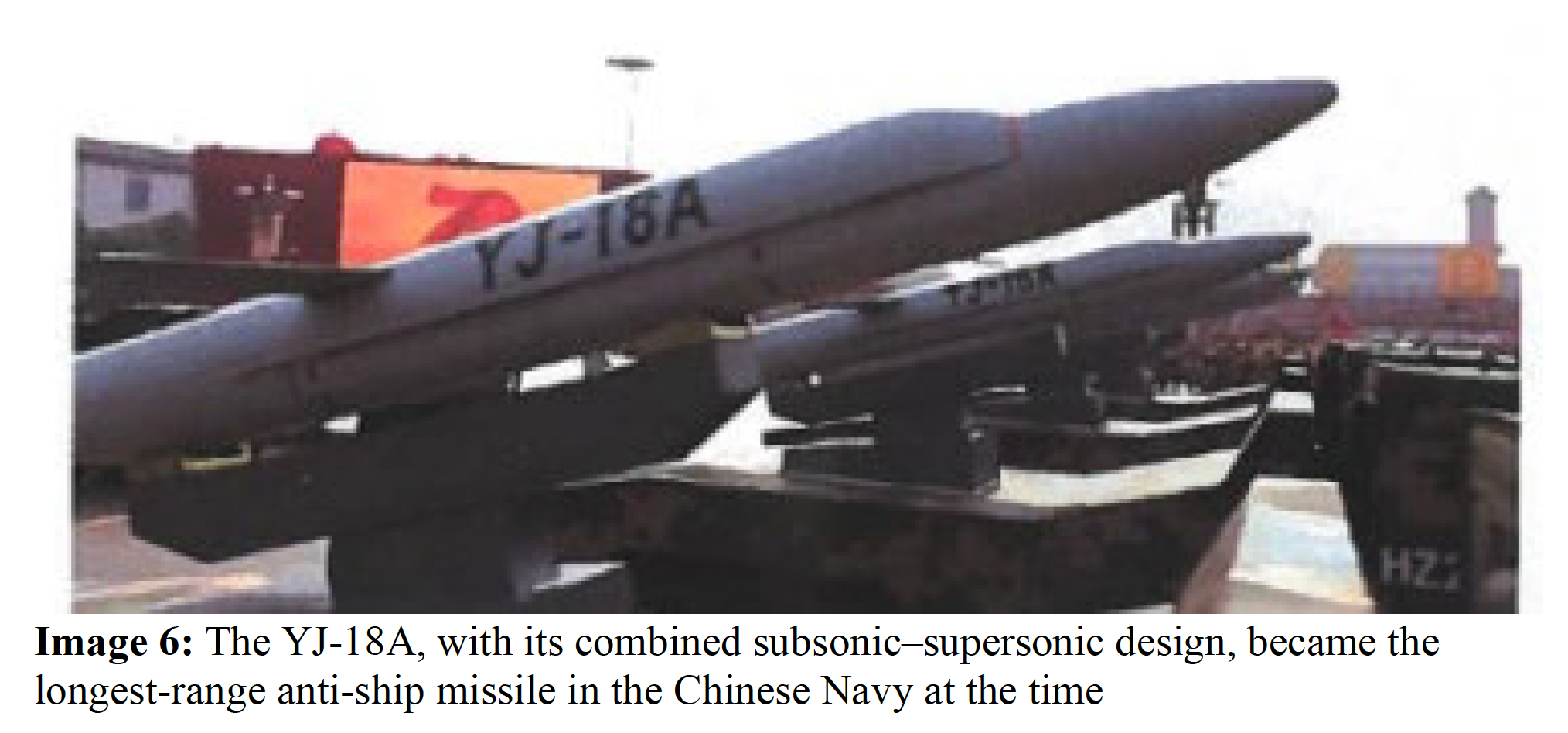
- Weapons and sensors: The article examines the Yu-6 torpedo, a major upgrade over the Yu-5 that combines anti-submarine warfare (ASW) and anti-surface warfare (ASUW) capabilities; the development of the long-range YJ-18 anti-ship cruise missile (ASCM), derived from Russia’s Club-S submarine-launched system but substantially redesigned to meet Chinese requirements; and the Type 039B’s next-generation integrated sonar and combat-command suite, including large passive flank arrays.
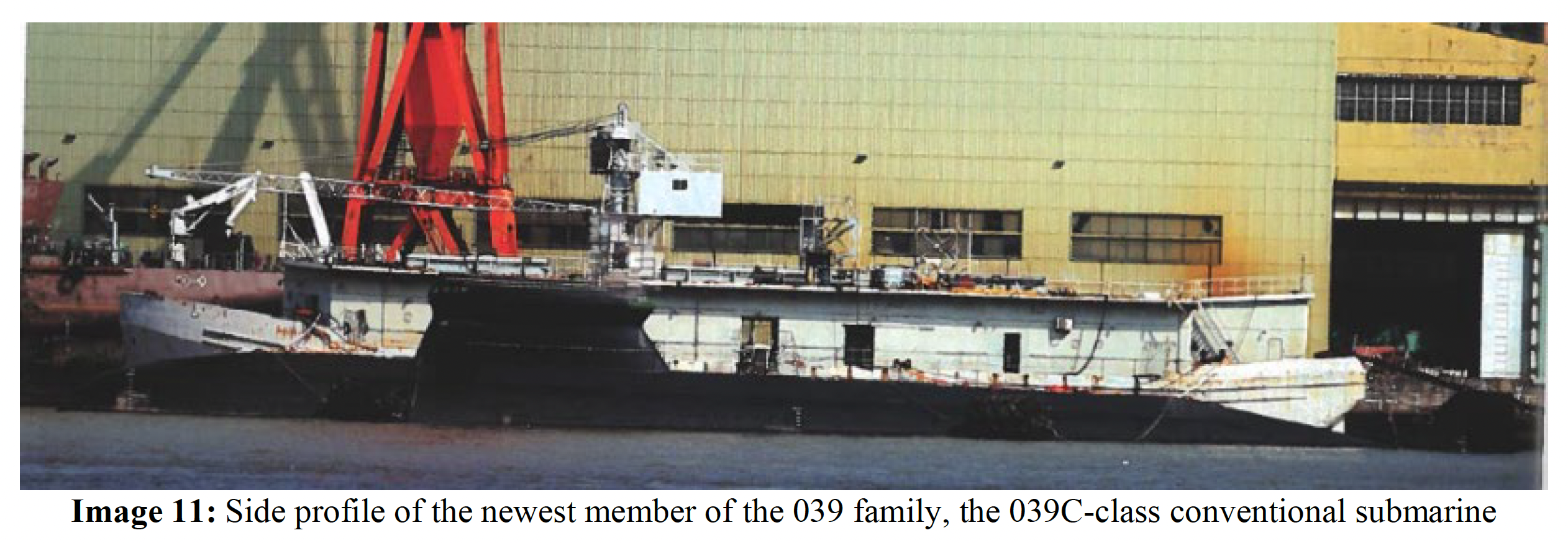
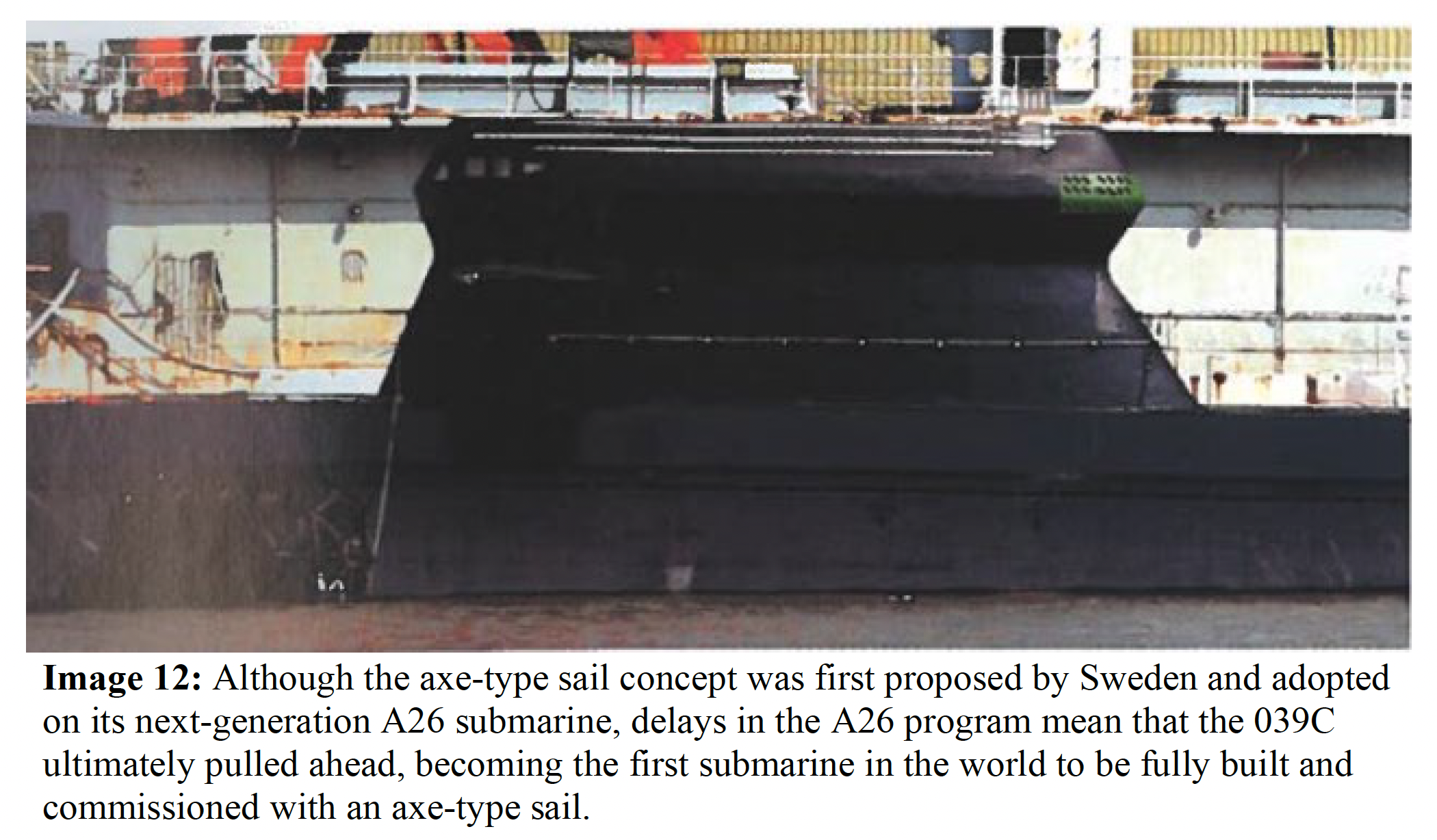
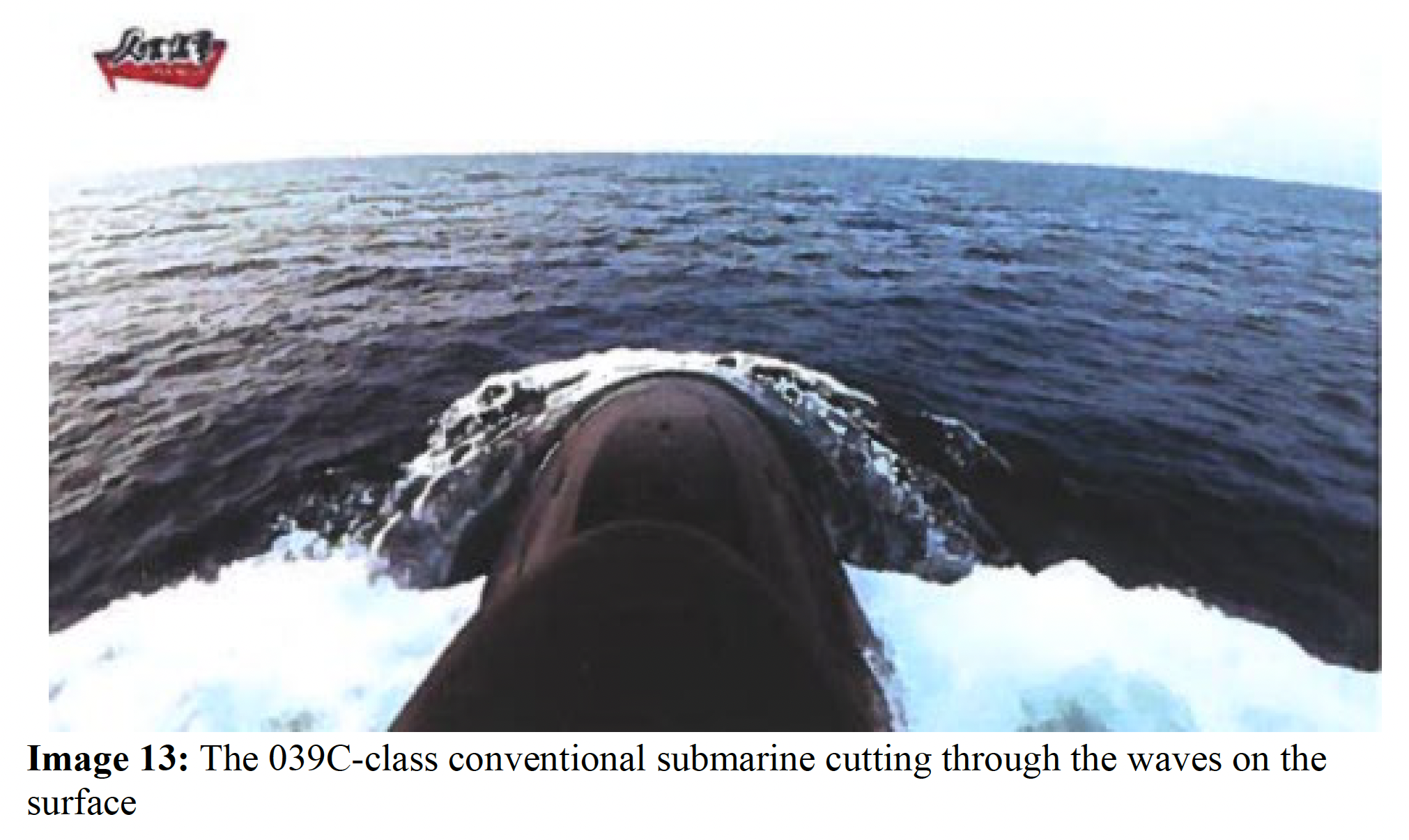
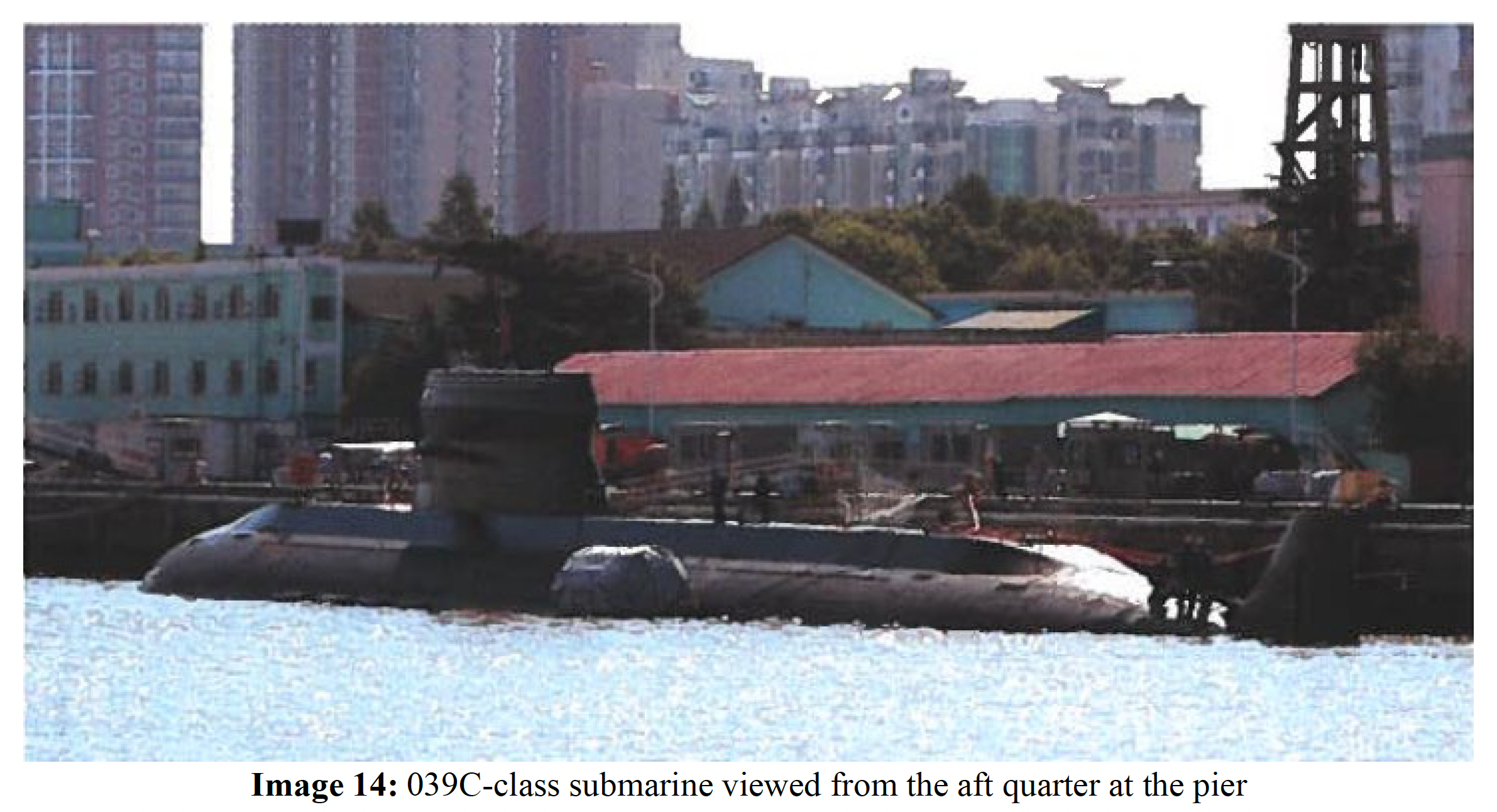
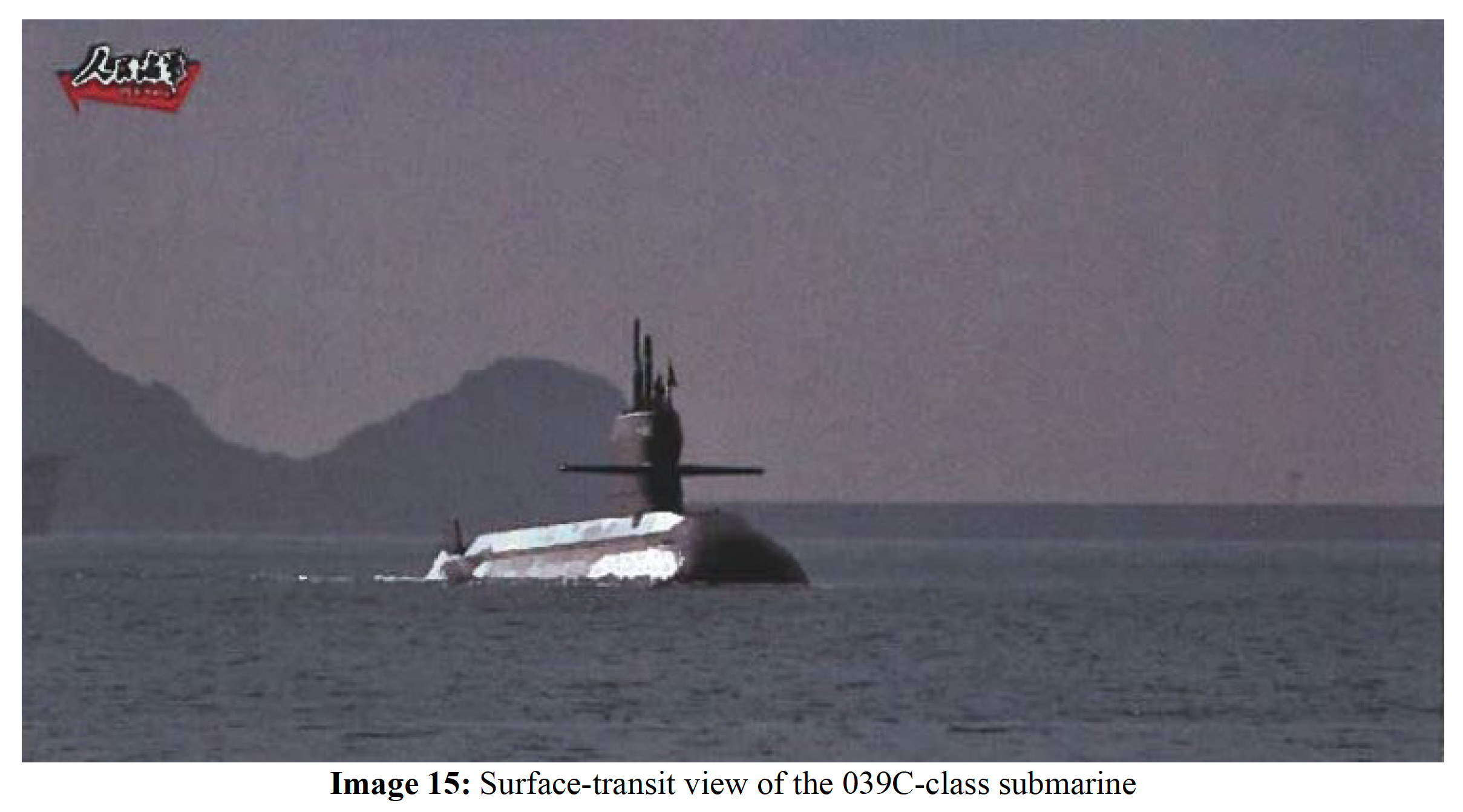
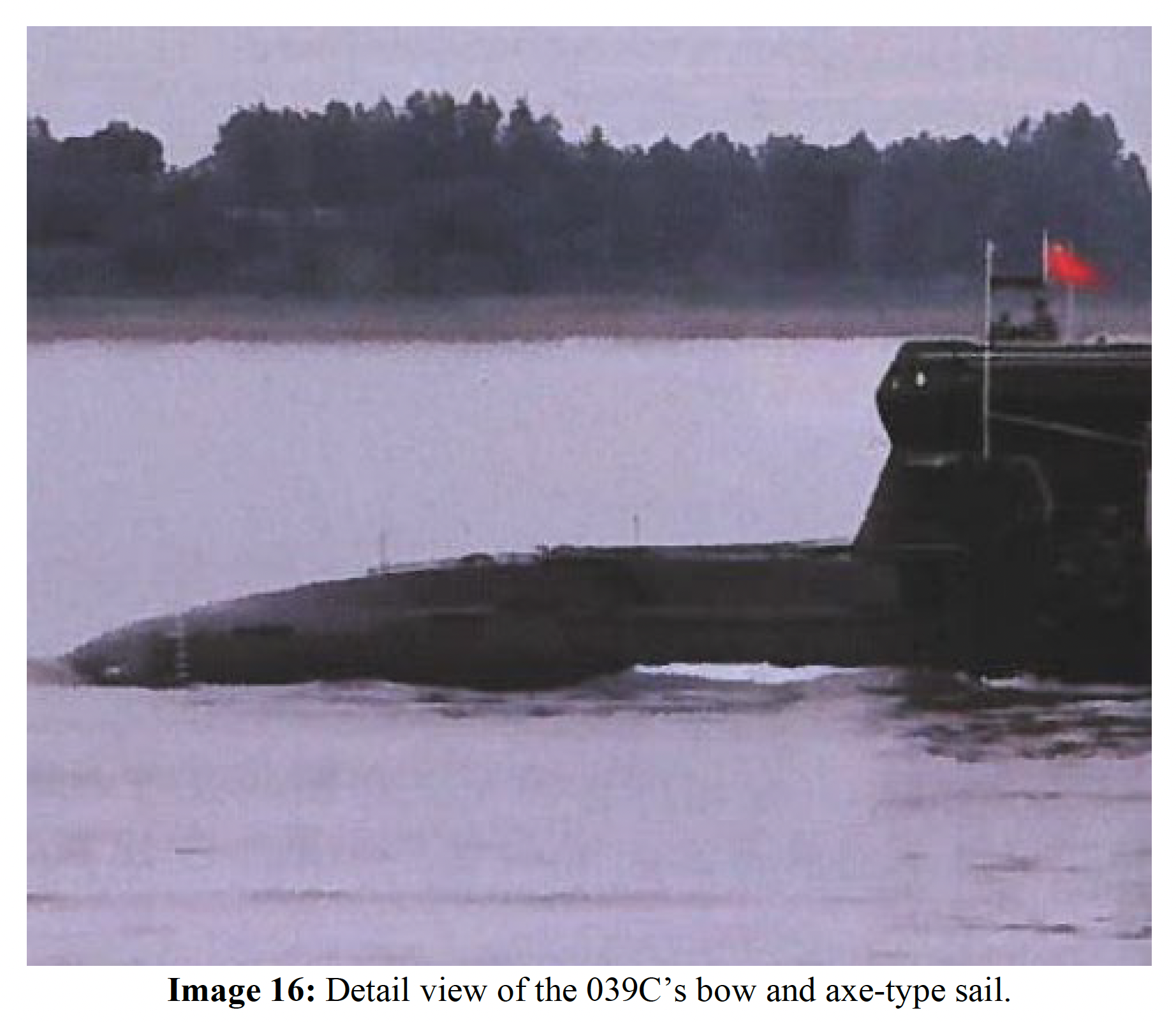
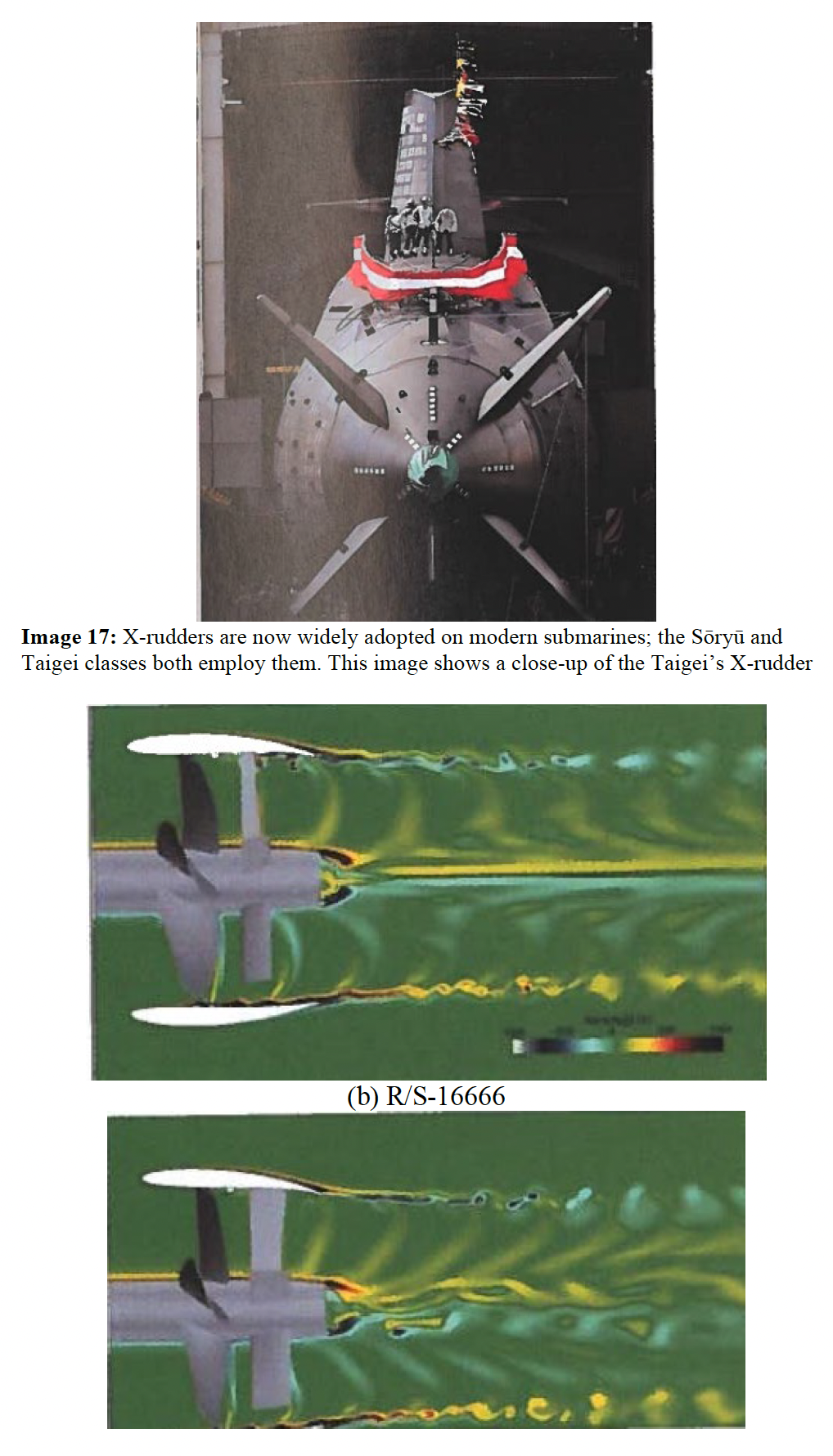
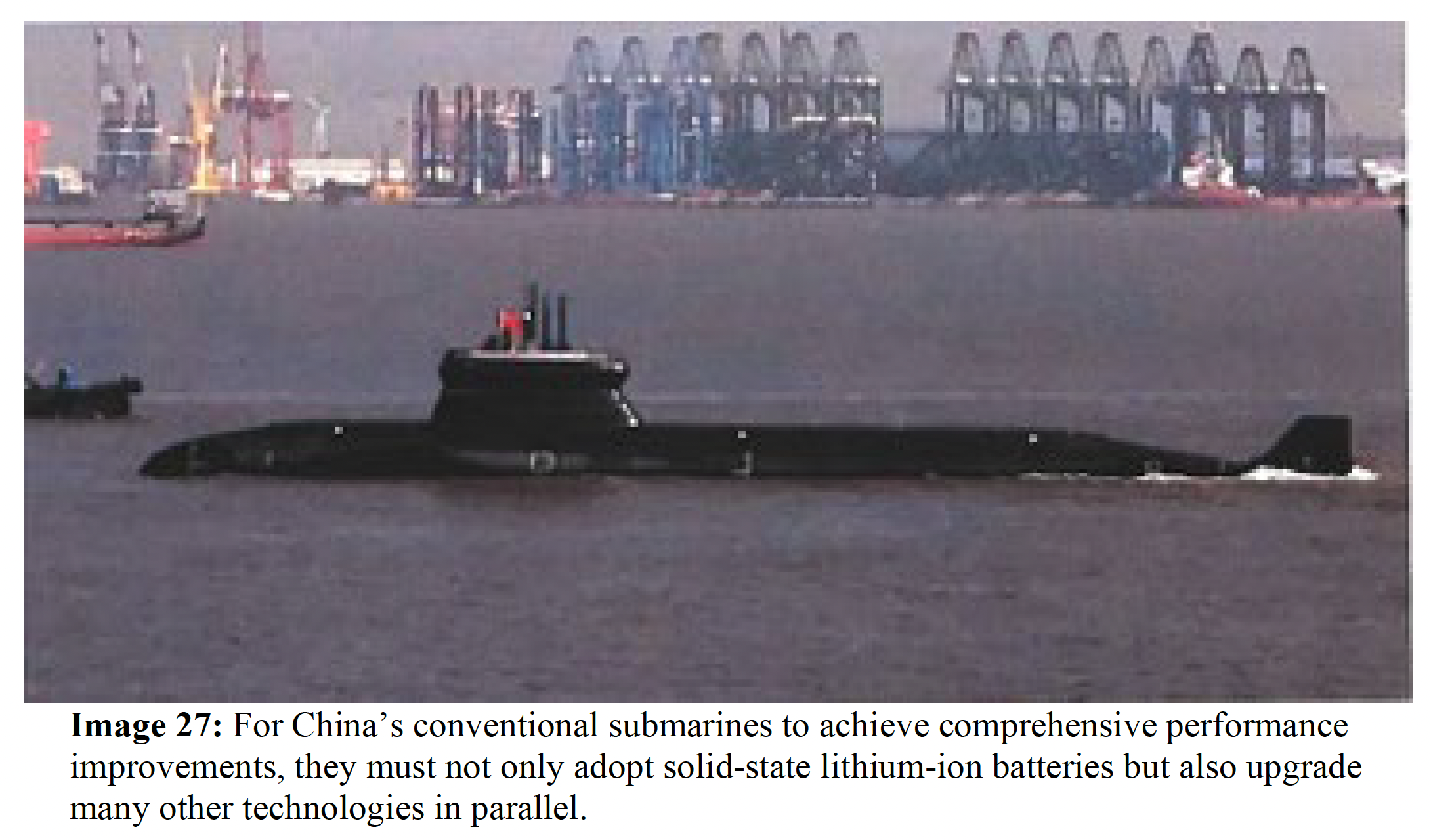
- Type 039C development: The author describes China’s “small-step, fast-iteration” approach to submarine development. Changes to the Type 039C, including its distinctive axe-shaped sail, X-shaped rudder, and composite materials, are of which are intended to improve stealth and maneuverability. The author assesses that the submarine may serve as a test platform for new designs, equipment, propulsion technologies, and weapons systems.
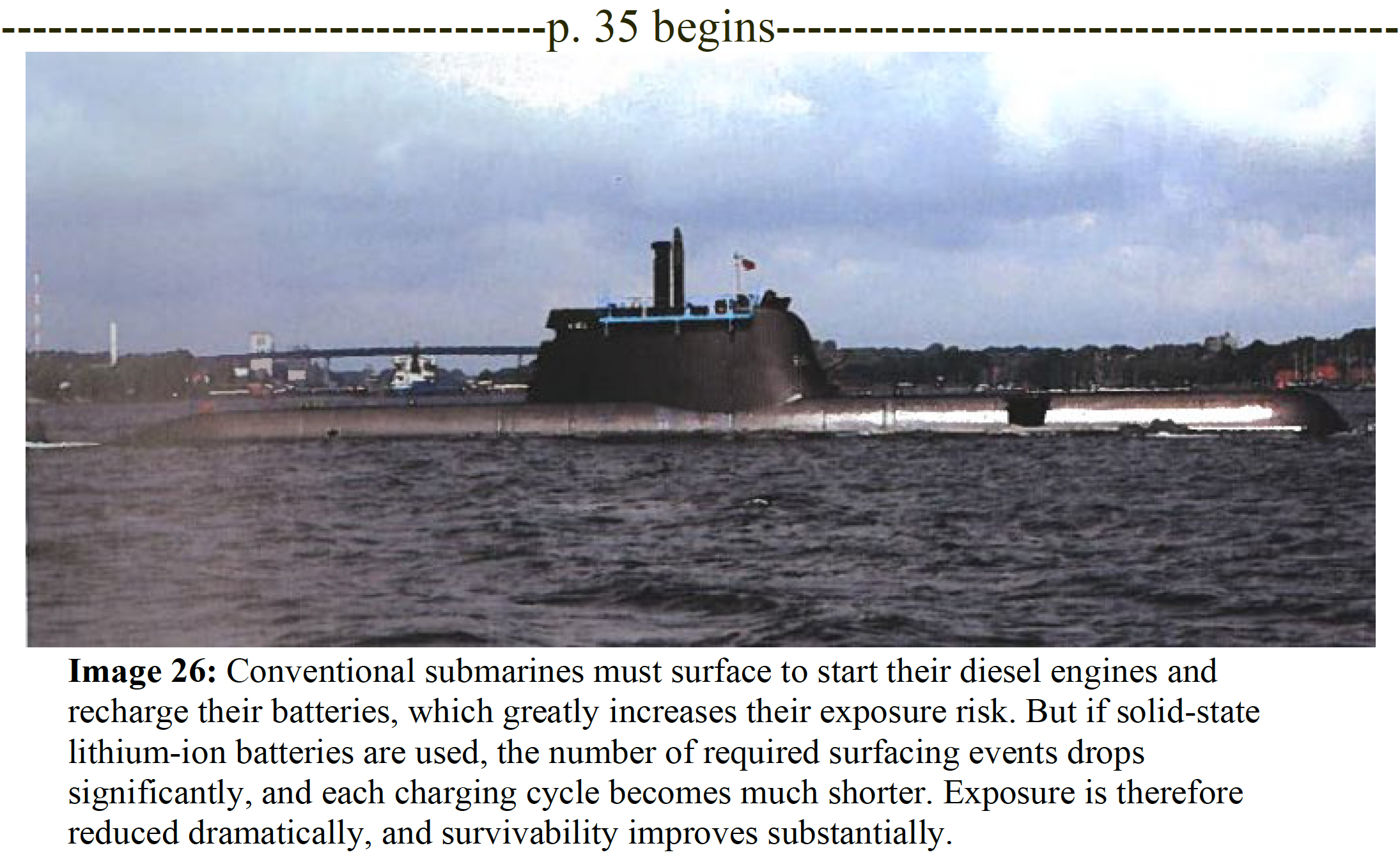
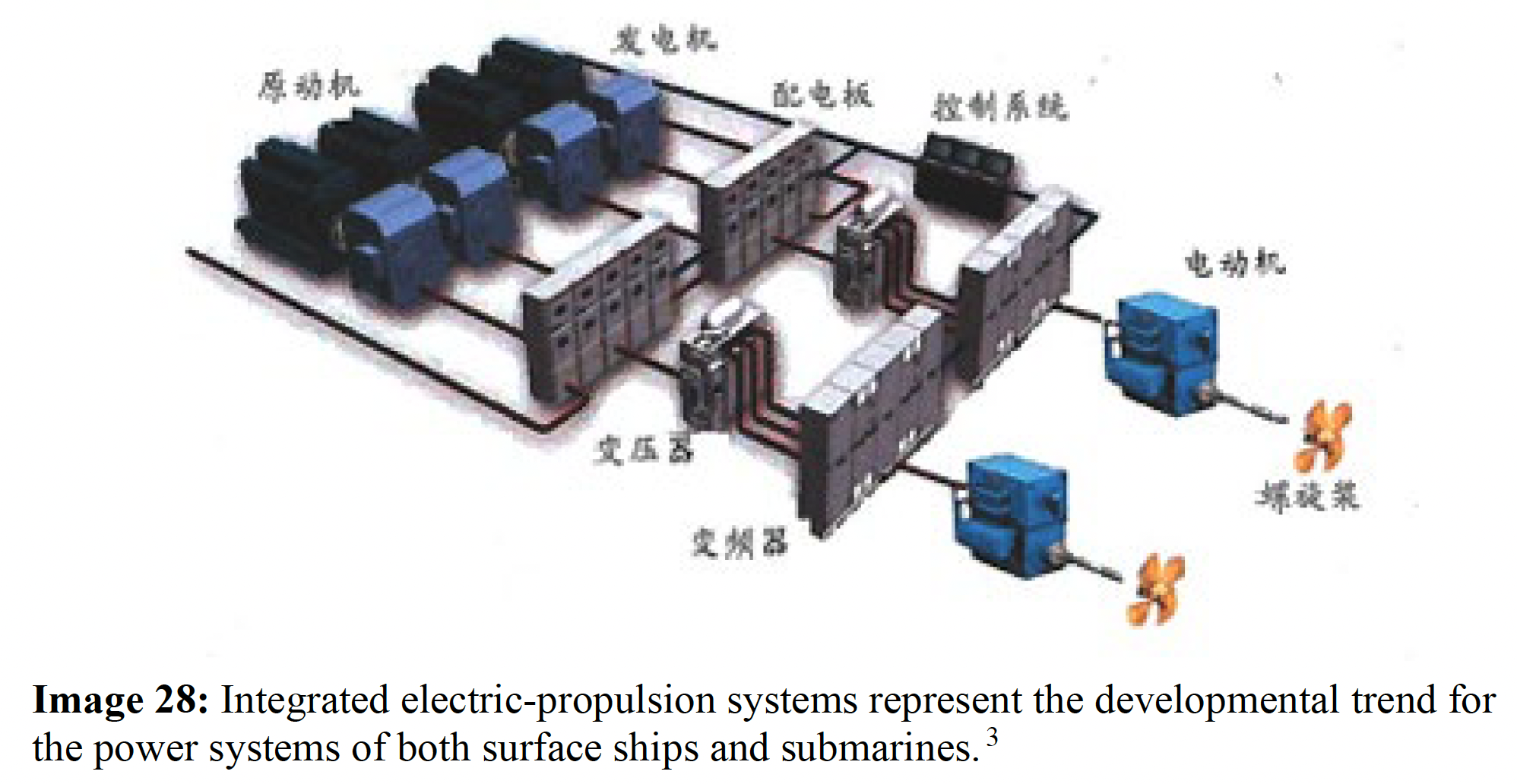
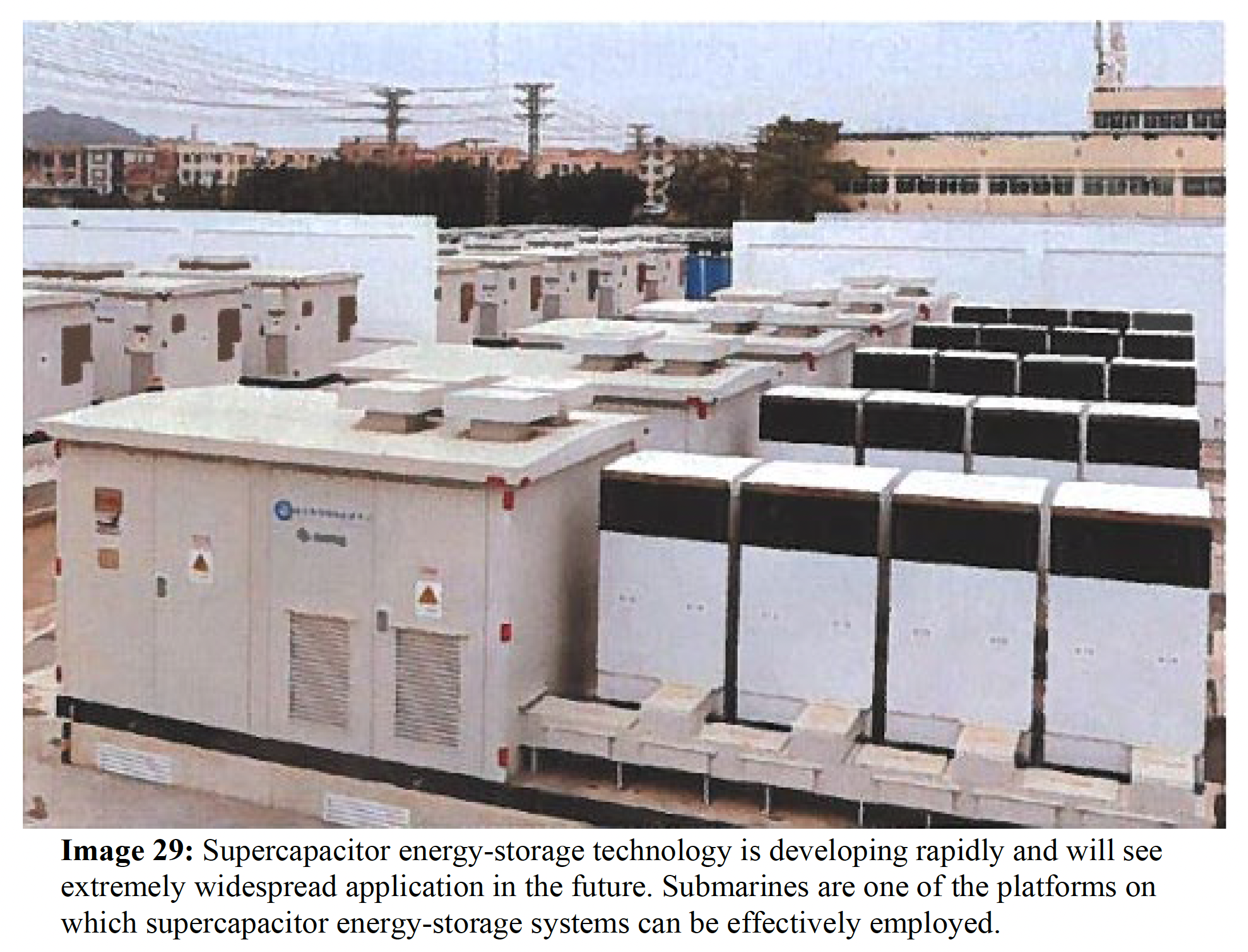
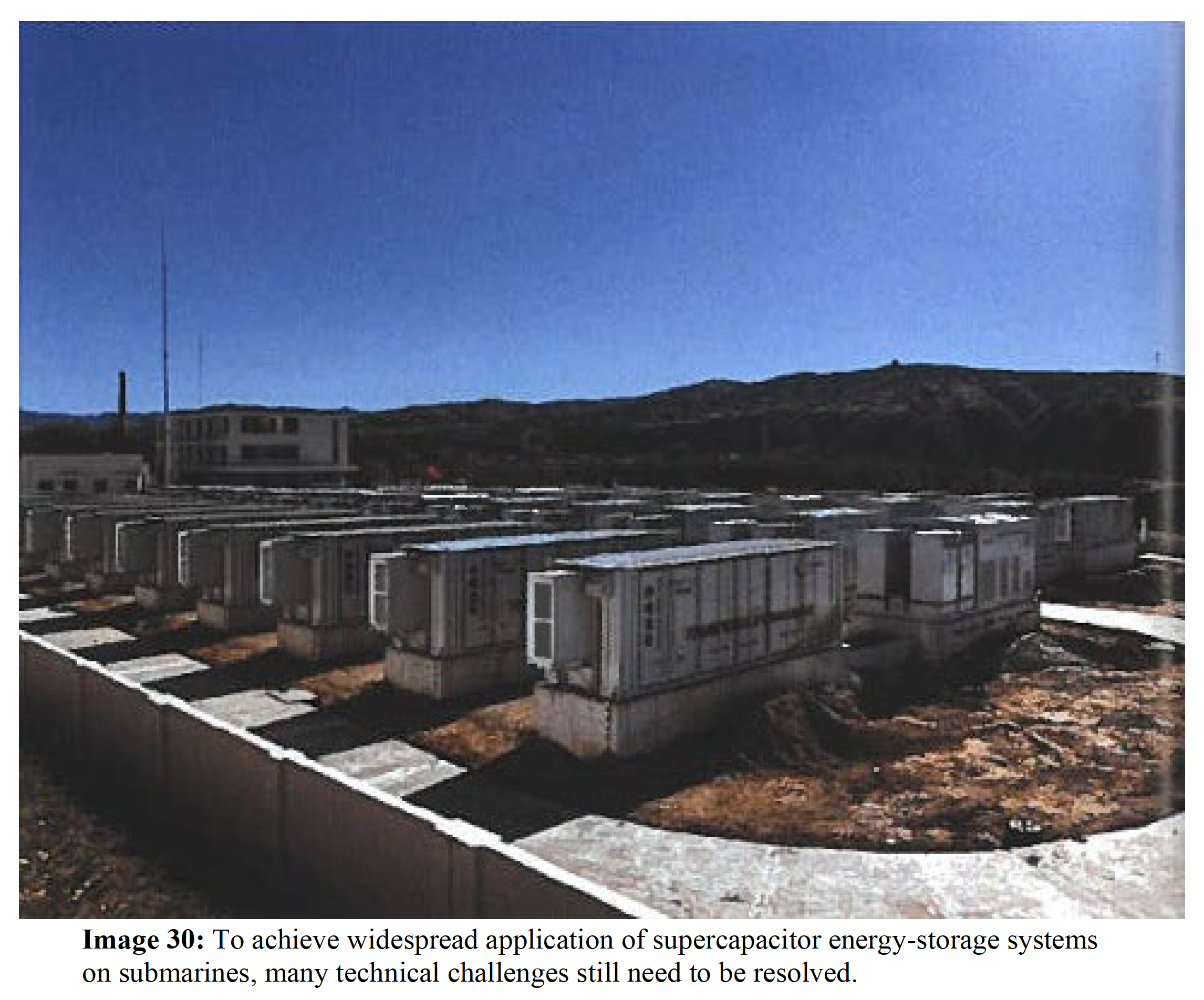
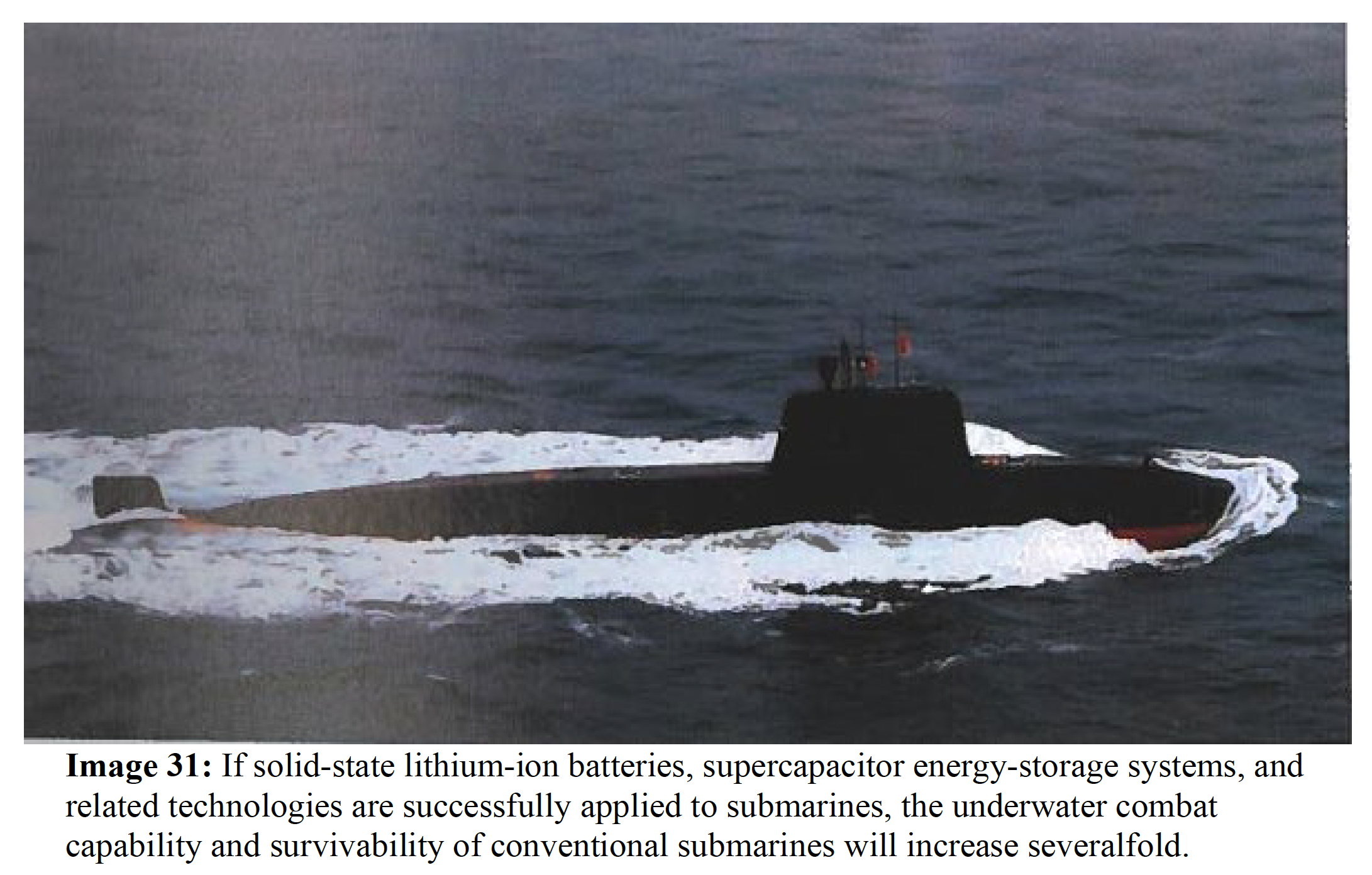
Looking forward, the author argues that “even if China achieves full national unification” the PLAN will still need a fleet of conventional submarines for operations in the near seas. That fleet, according to the author, may operate on lithium-ion batteries and would be considered an evolutionary change. Future all-electric submarines, however, would require solid state batteries as well as integrated electric-propulsion systems, medium-voltage DC power-distribution systems, and supercapacitor energy-storage systems—which would be viewed as a generational change.
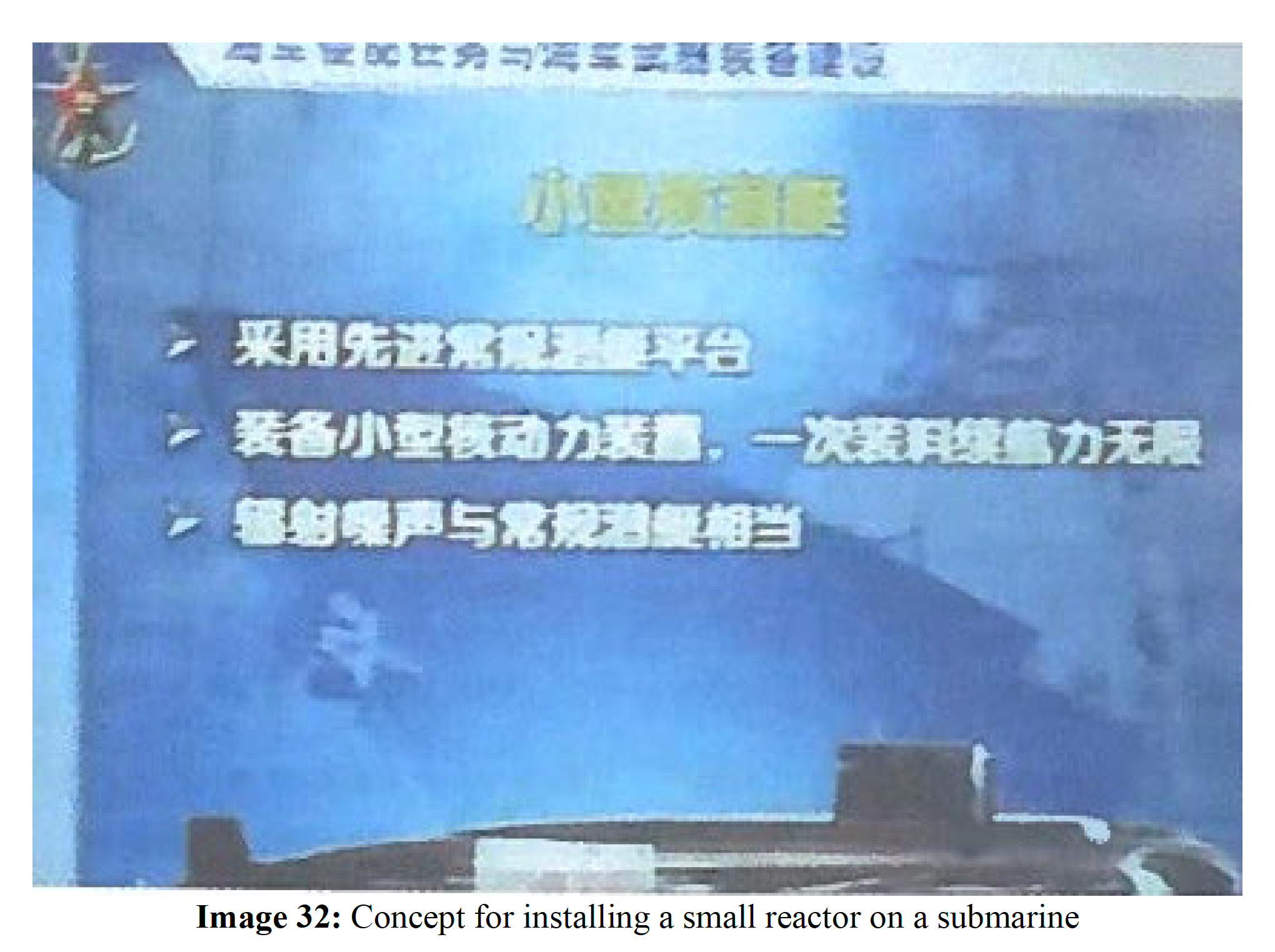
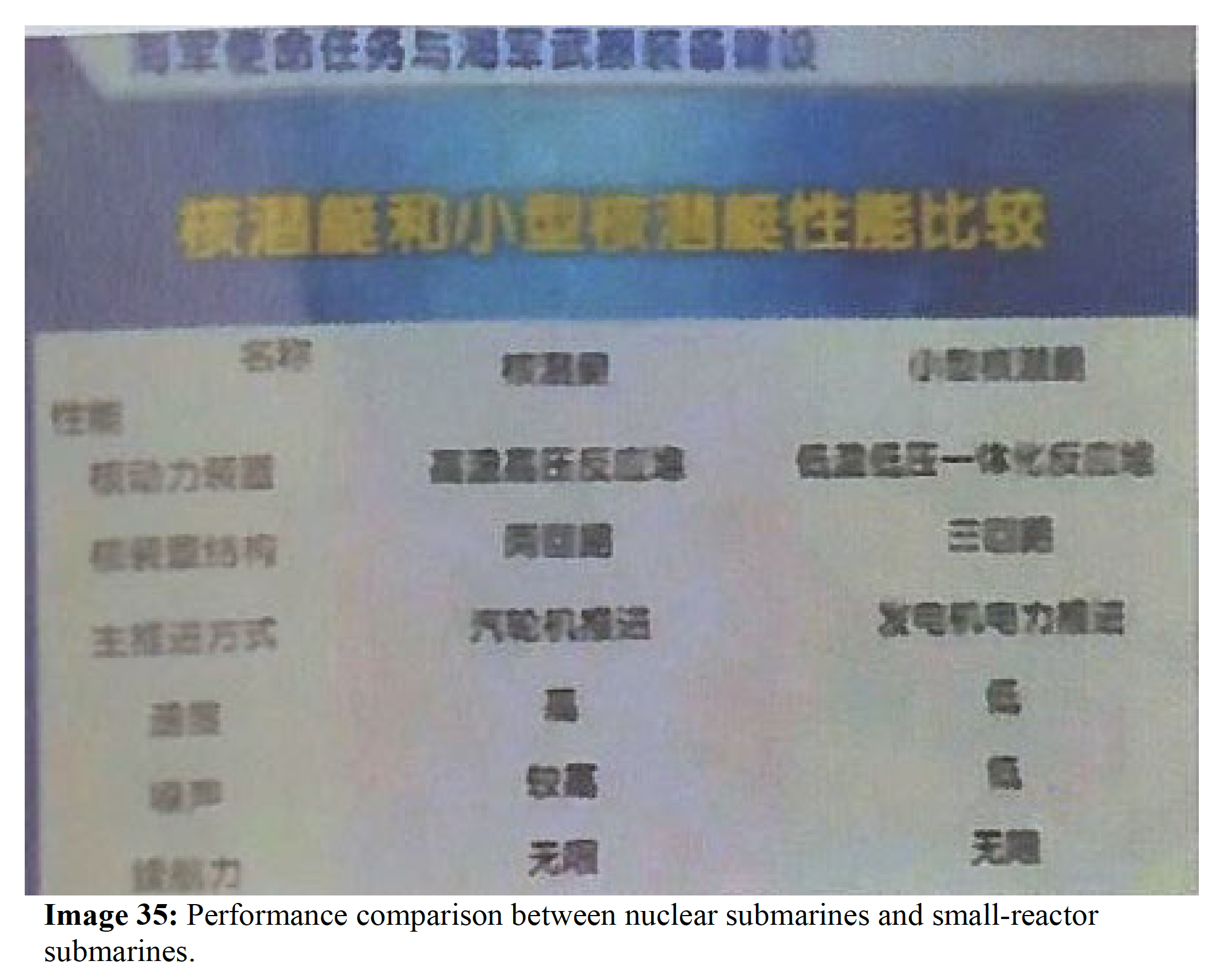
The author also considers a more ambitious hybrid design combining a low-power nuclear reactor with solid-state lithium-ion batteries. He discusses the costs, maintenance challenges, and acoustic limitations of such a platform, ultimately arguing that small-reactor submarines may be better suited to near-seas operations as China’s undersea combat force transitions toward an “all-nuclear fleet” of submarines.
CMSI’s Non-Resident Research Fellow, Nick Henderson performed this meticulous translation. Our thanks to Nick for this contribution to the body of CMSI translations.
CONCLUDING TEXT:
… … … For the Chinese Navy, whose ultimate goal is to build a world‑class maritime force, future near‑seas defense concepts, mission scope, and operational requirements will differ greatly from those of today. This means that technologically advanced small‑reactor submarines will remain one of the most suitable options in the future (after 2040), with very promising development prospects.
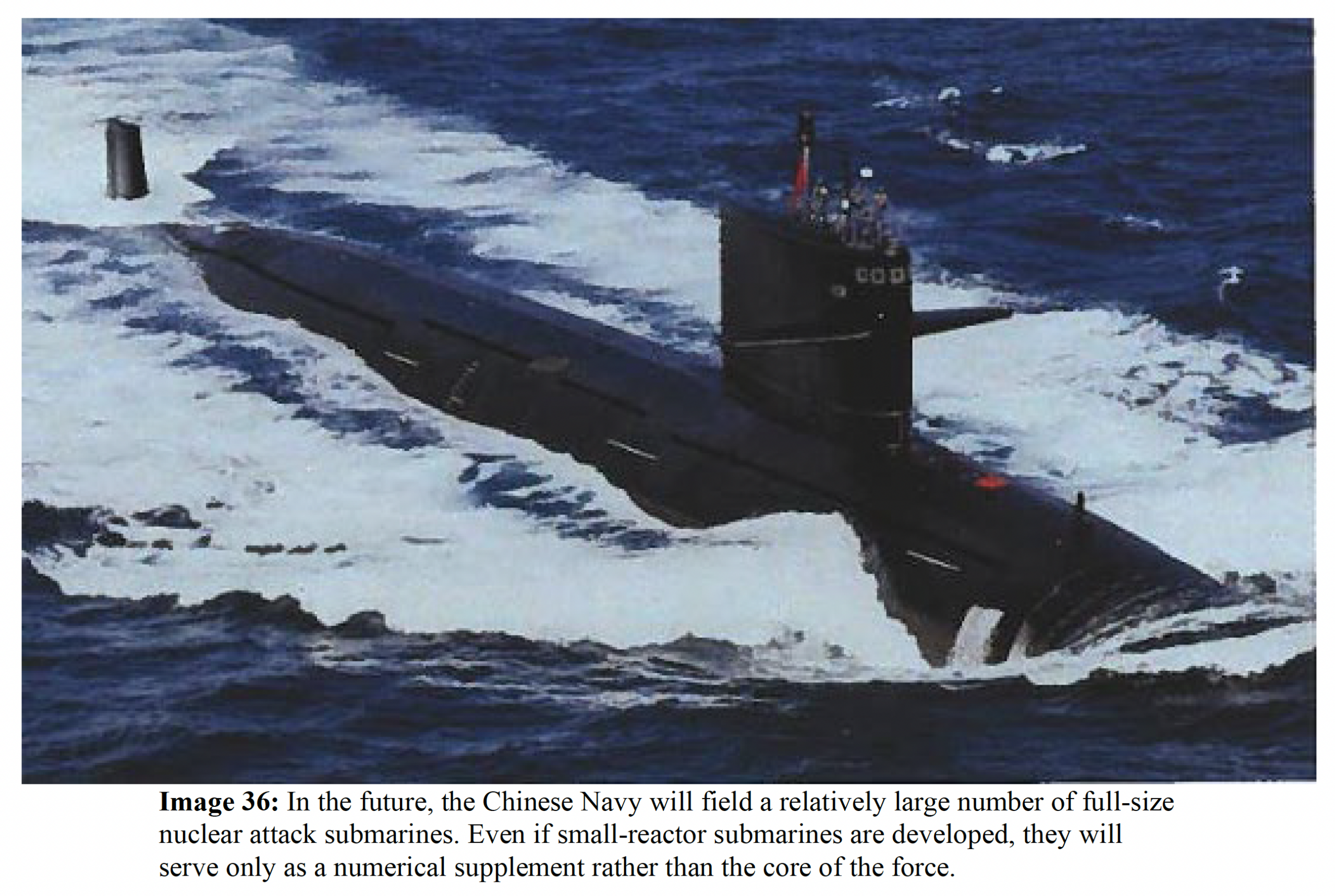
In the future, China’s underwater combat forces will inevitably transition toward an “all‑nuclear fleet,” and such hybrid submarines will serve as a powerful complement to large, distant-ocean nuclear submarines. Because China and the United States differ significantly in geography, mission profiles, and threat environments, an all‑large‑attack‑submarine nuclear fleet, like that of the U.S. Navy, is not suitable for China. Small‑reactor submarines are clearly better suited to near‑seas operational environments and are key to surpassing all AIP submarines in China’s surrounding region in terms of technological performance. Moreover, by trading “quality” for “quantity,” the number of small‑reactor submarines may only need to be half the current size of China’s conventional‑submarine fleet to achieve a comprehensive improvement in overall combat and deterrence capability. Although small‑reactor submarines are more expensive than conventional submarines, they still offer a clear cost advantage over large nuclear attack submarines (the construction and maintenance cost of four 7,000‑ton high‑performance attack submarines can basically fund the construction of twelve small‑reactor submarines). In this sense, they also help reduce total fleet‑wide costs.
Compared with conventional submarines, small‑reactor submarines not only possess stronger near‑seas, shallow‑water combat capability, but are also better suited to supporting the operations of distant-ocean nuclear submarines. If the future force structure ratio between the two reaches 1.5:1, then after 2040 the Chinese Navy’s underwater combat force would consist of 15–20 small‑reactor submarines of around 4,000 tons and more than 30 new‑generation large nuclear attack submarines, completing the historic transition from a mixed conventional‑and‑nuclear fleet to an “all‑nuclear submarine force.”
In summary, after the development of three generations of conventional submarines, the Chinese Navy has achieved the goal of catching up to world‑class technological standards. Building on this foundation, continuous technological iteration has pushed China’s conventional‑submarine technology into the front ranks of the world’s leading group, achieving a breakthrough from catching up to surpassing.
However, given current technological foundations, conventional submarines have reached the upper limit of further performance improvement. Their core technologies no longer offer disruptive breakthroughs, which is the main reason China is investing heavily in developing key technologies for small‑reactor hybrid submarines.
As China’s defense‑industrial research and manufacturing capabilities continue to advance, China may become the only country capable of developing entirely new‑concept submarines. In the future, the underwater operational posture and force balance in China’s near seas and the broader Western Pacific, both in quantity and quality, will shift dramatically, signaling that the Chinese Navy’s underwater combat capability is entering a completely new era of development.